
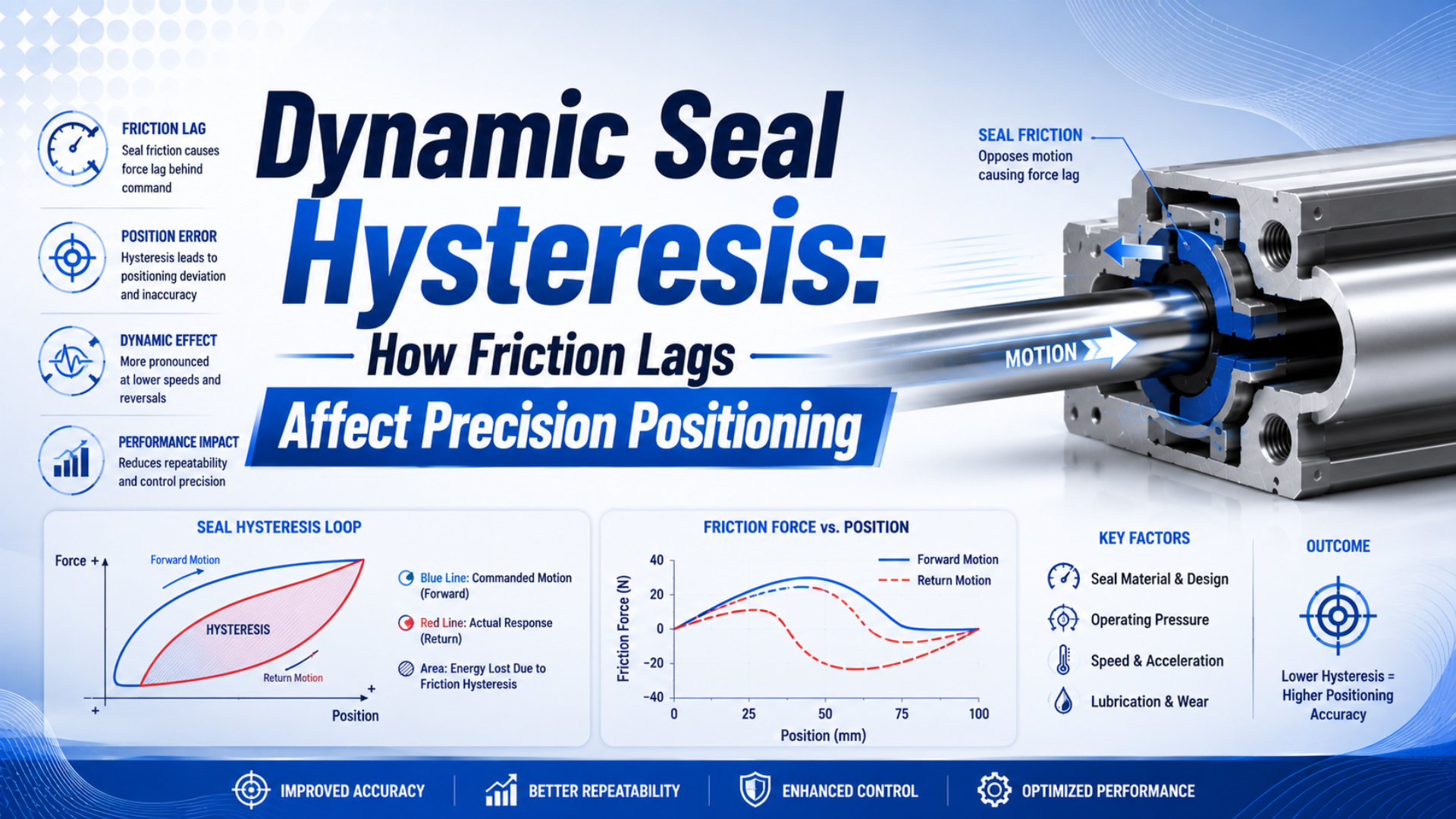
 Dynamic Seal Hysteresis: How Friction Lags Affect Precision PositioningDiagnose dynamic seal hysteresis with dual-chamber pressure, position and velocity data; a 2026 study tested three pneumatic cylinders under stick-slip.→
Blog Author
Jack Chen
Hello, I'm Jack, a Bepto Pneumatic pneumatics engineer. I help review cylinder sizing, rodless replacement details, stroke, guides, mounting, seals, and load direction.
Author Reading Path
Articles by Jack Chen
179 articles sorted newest first for readers who want one author's pneumatic selection notes in one place.
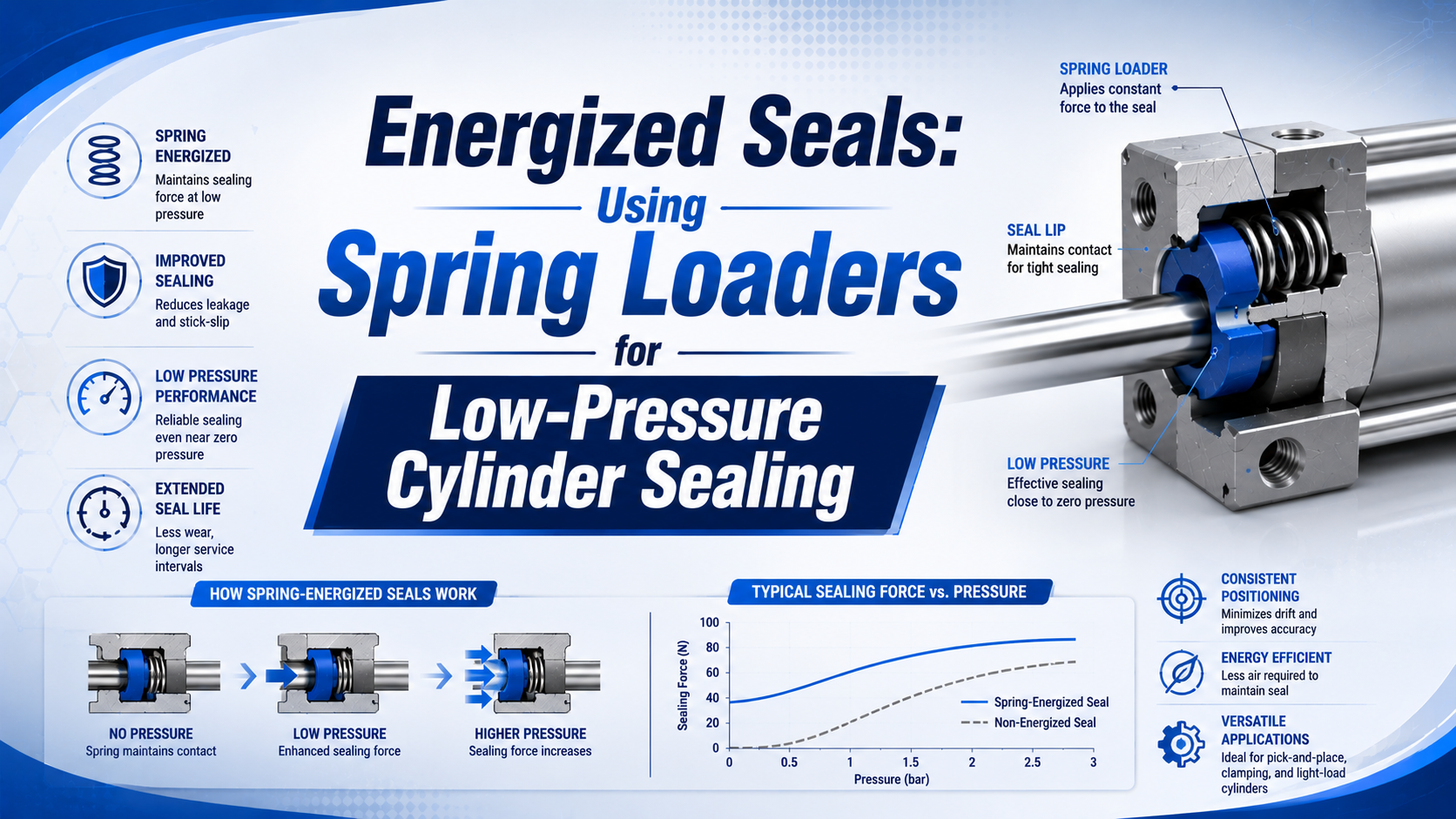 Energized Seals: Using Spring Loaders for Low-Pressure Cylinder SealingParker’s FBC-V seal is rated to 3,000 psi at up to 0.5 m/s in specified glands. Learn when spring energizers fit low-pressure cylinders and how to validate.→
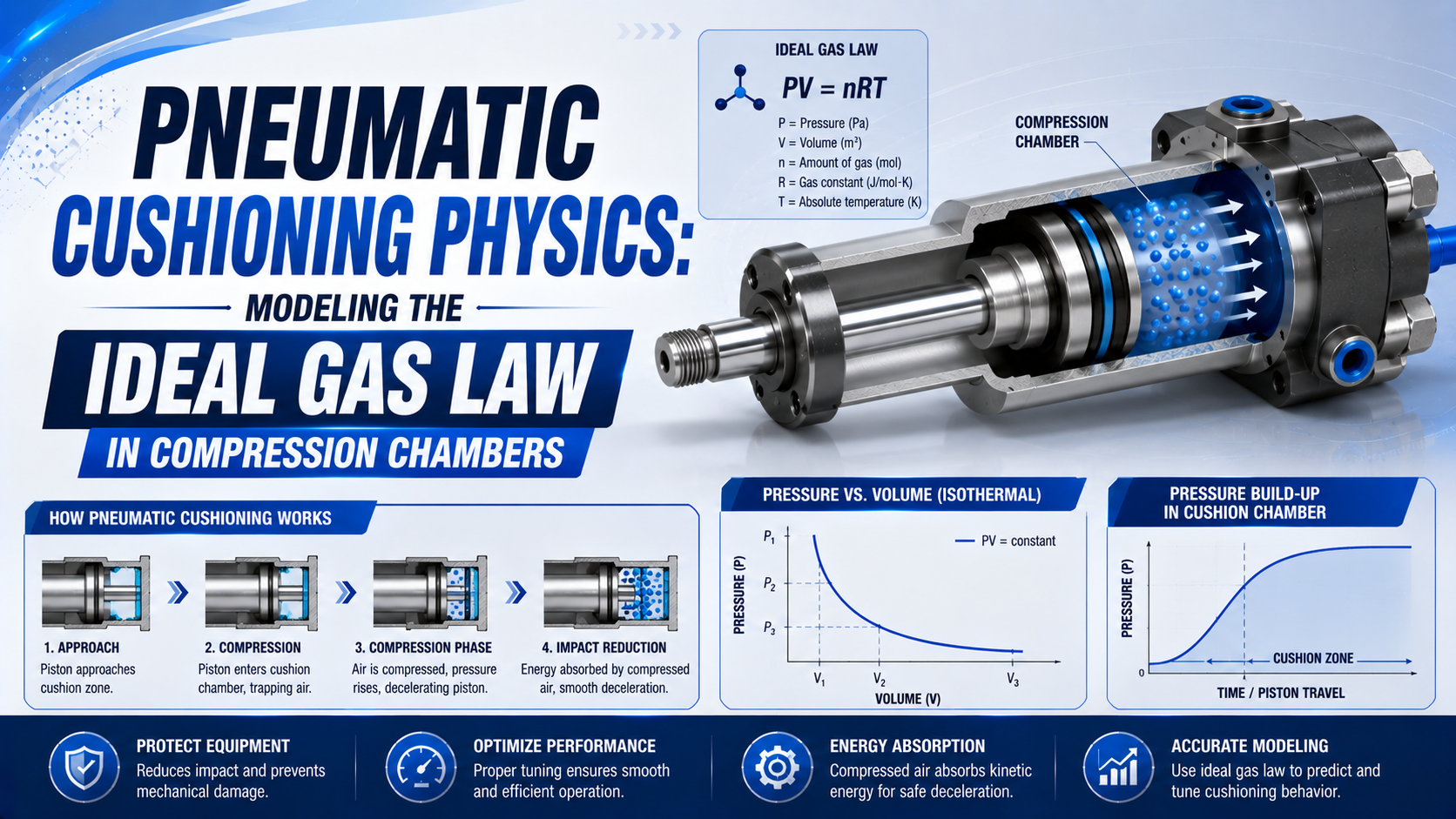 Pneumatic Cushioning Physics: Modeling the Ideal Gas Law in Compression ChambersLearn when pV^n can model a pneumatic cushion, why needle exhaust requires an open-system model, and how to validate pressure and stopping force.→
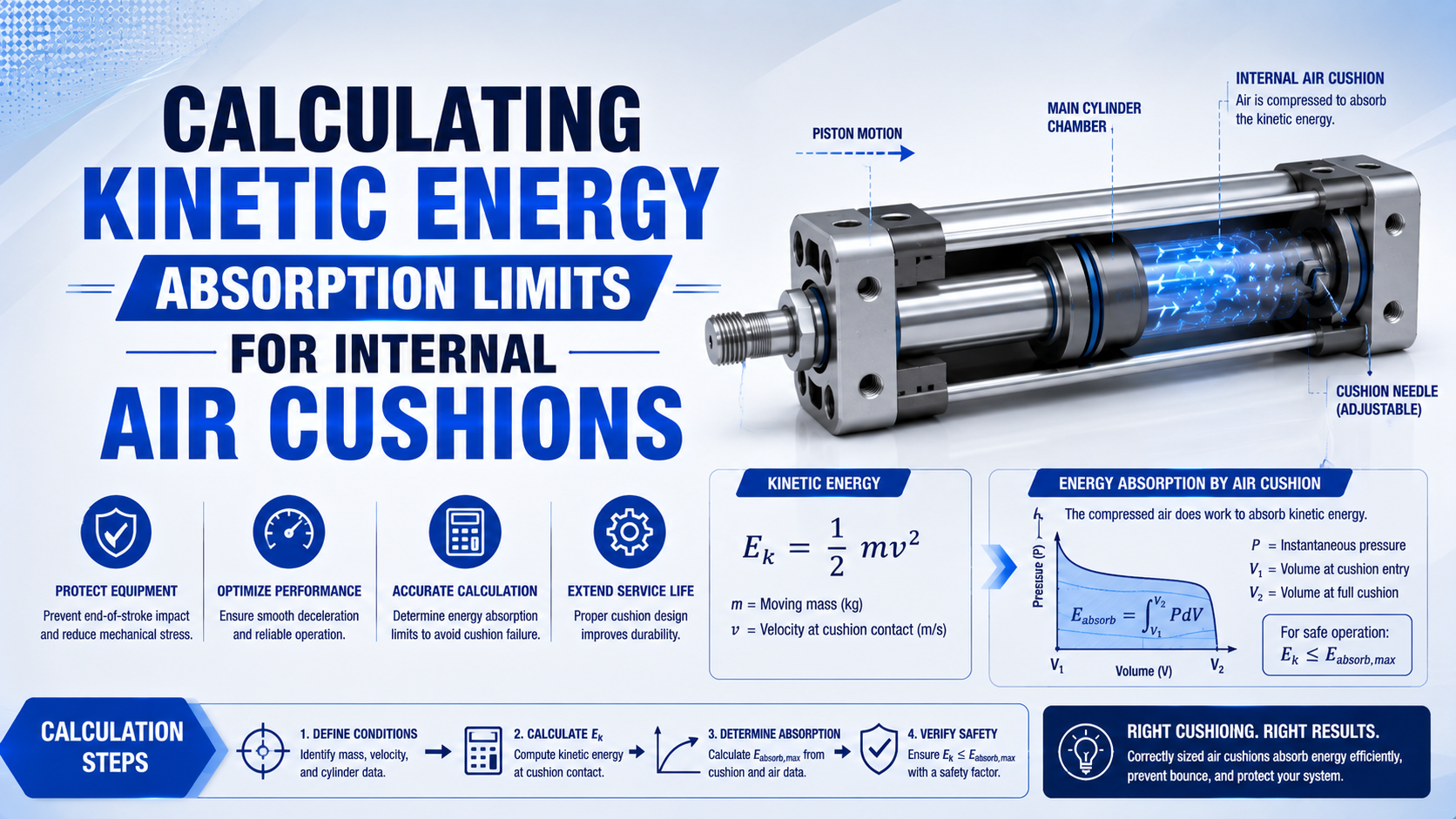 Calculating Kinetic Energy Absorption Limits for Internal Air CushionsCalculate internal cushion demand and compare it with model-specific limits: SMC CA2 air-cushion ratings range from 2.8 to 29 J across five bore sizes.→
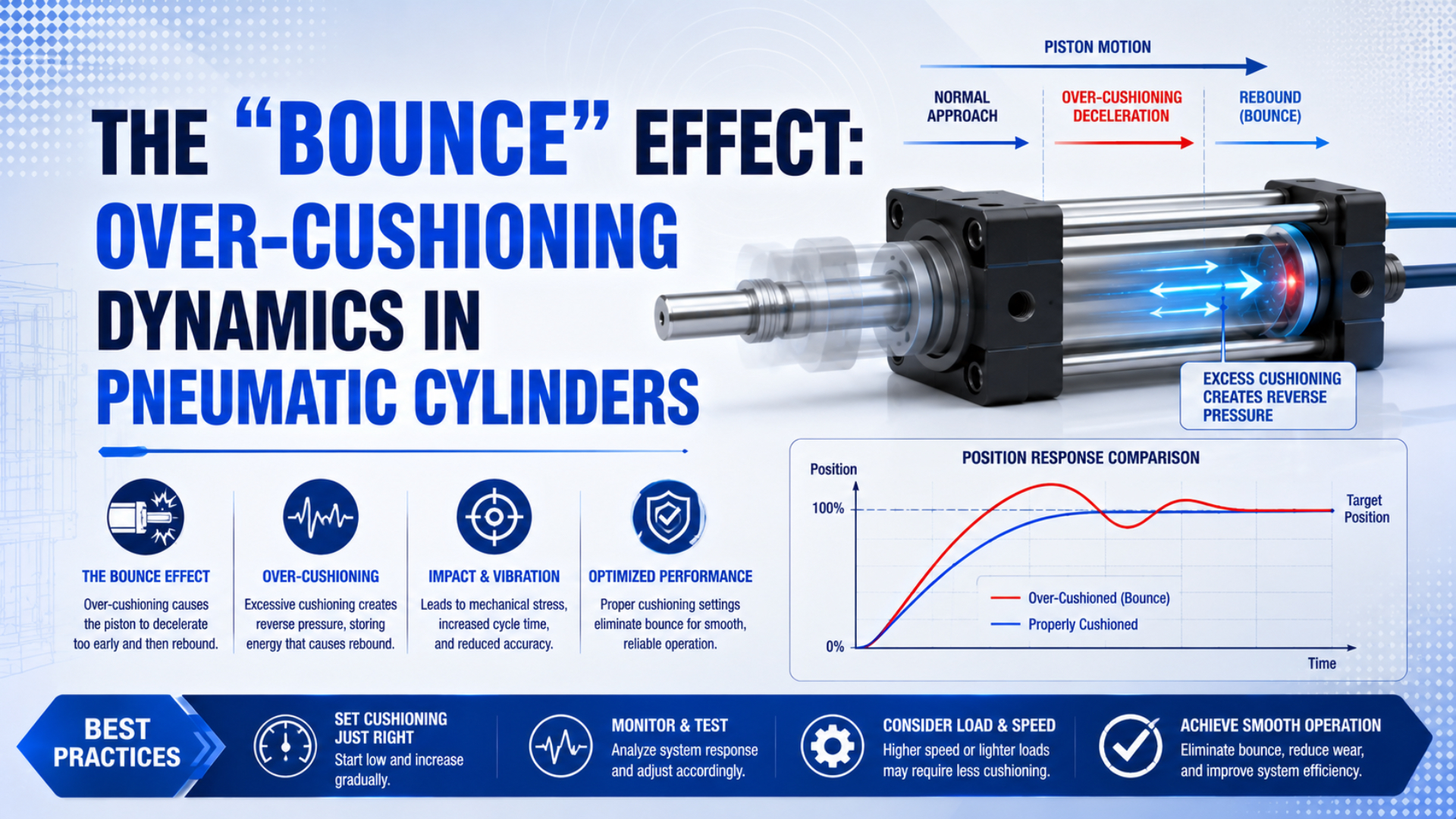 The “Bounce” Effect: Over-Cushioning Dynamics in Pneumatic CylindersSMC RLQ cylinders list 0.15 to 0.77 J allowable kinetic energy. Learn to diagnose pneumatic over-cushioning, tune the needle, and verify each stop safely.→
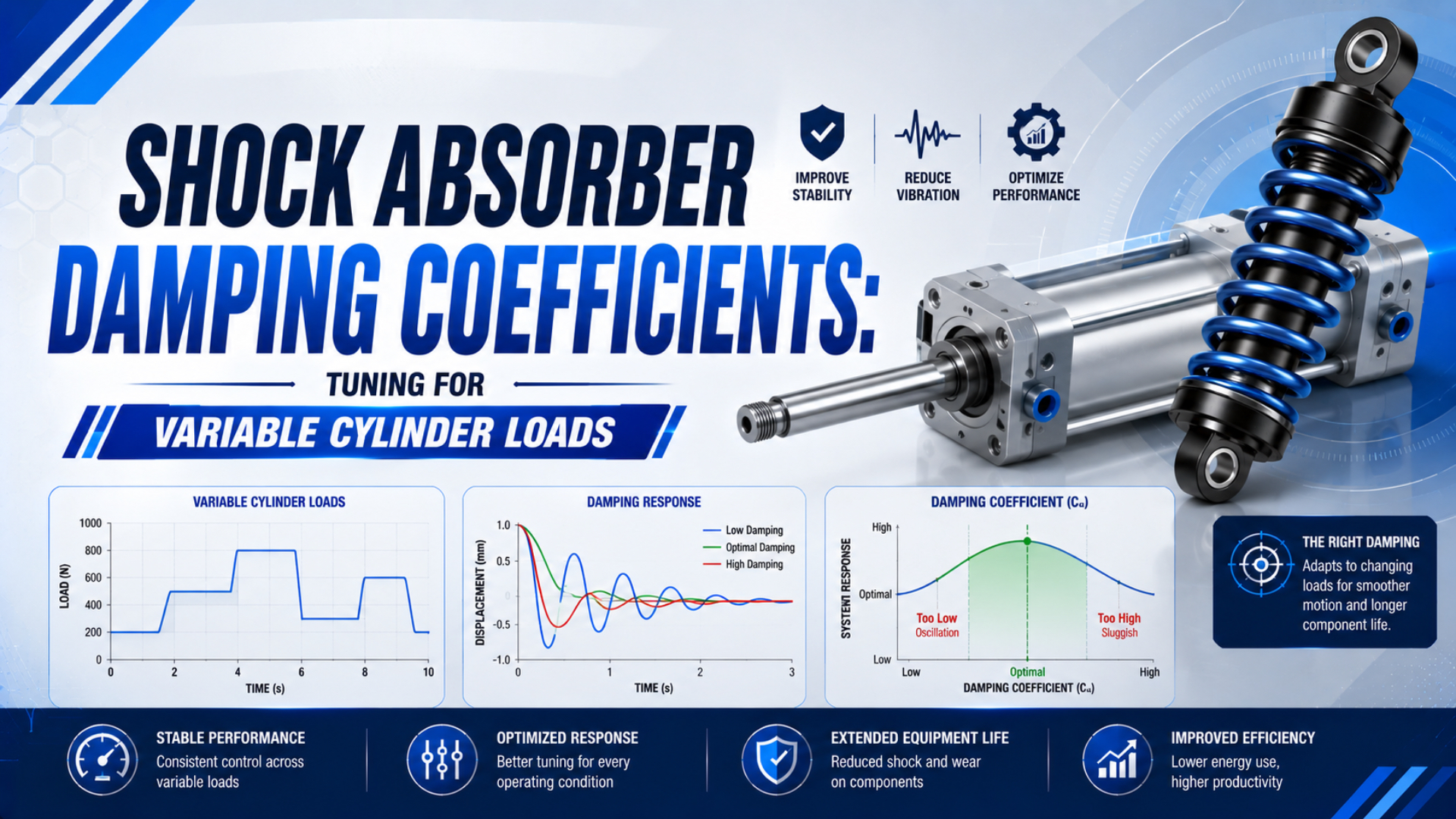 Shock Absorber Damping Coefficients: Tuning for Variable Cylinder LoadsLearn why shock absorber tuning needs 5 application inputs, not a guessed damping coefficient, and how to test variable cylinder loads without hard impact.→
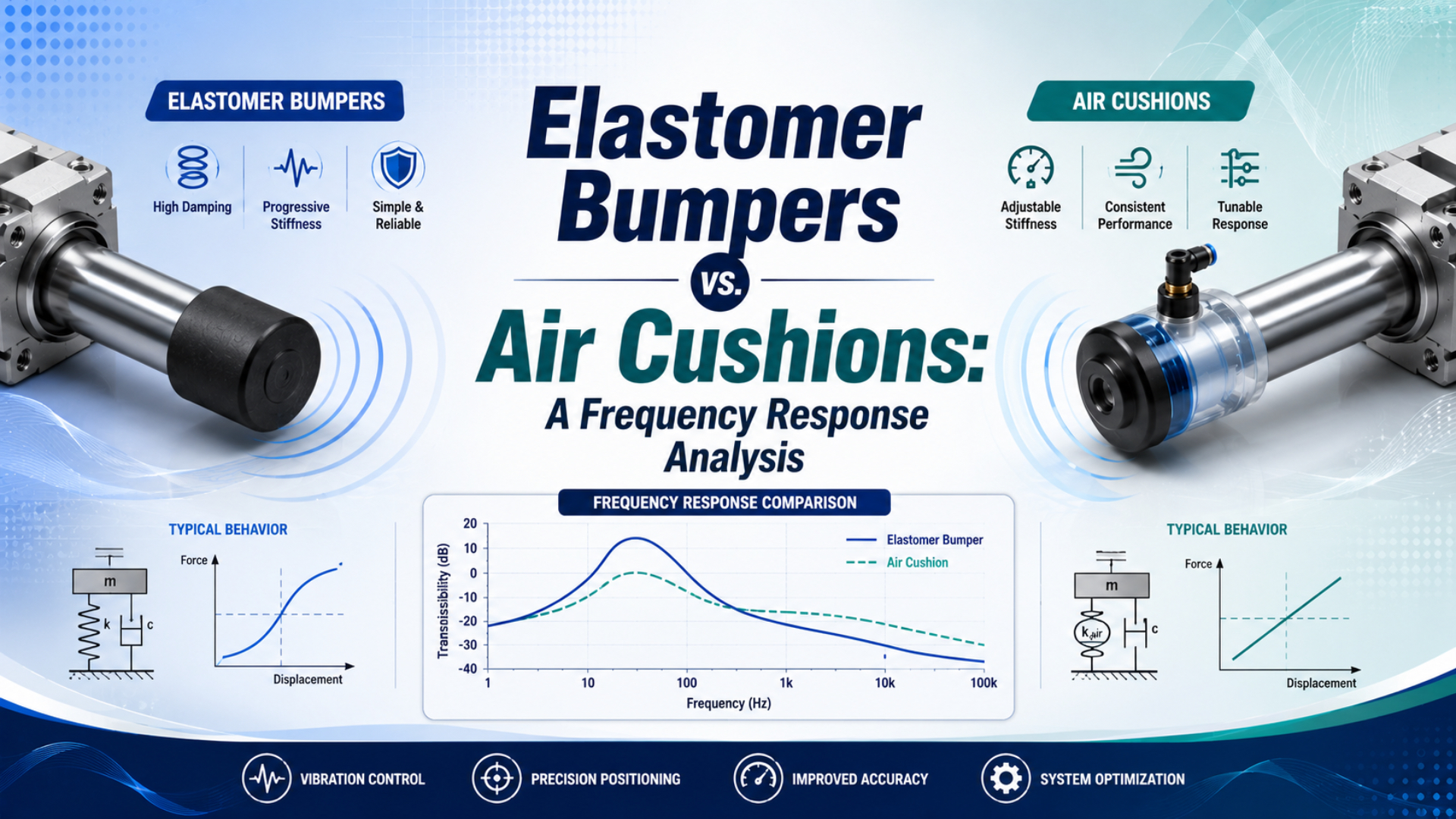 Elastomer Bumpers vs. Air Cushions: A Frequency Response AnalysisCompare elastomer bumpers and air cushions using 5 measured response signals: impact energy, peak force, rebound, settling time, and temperature in service.→
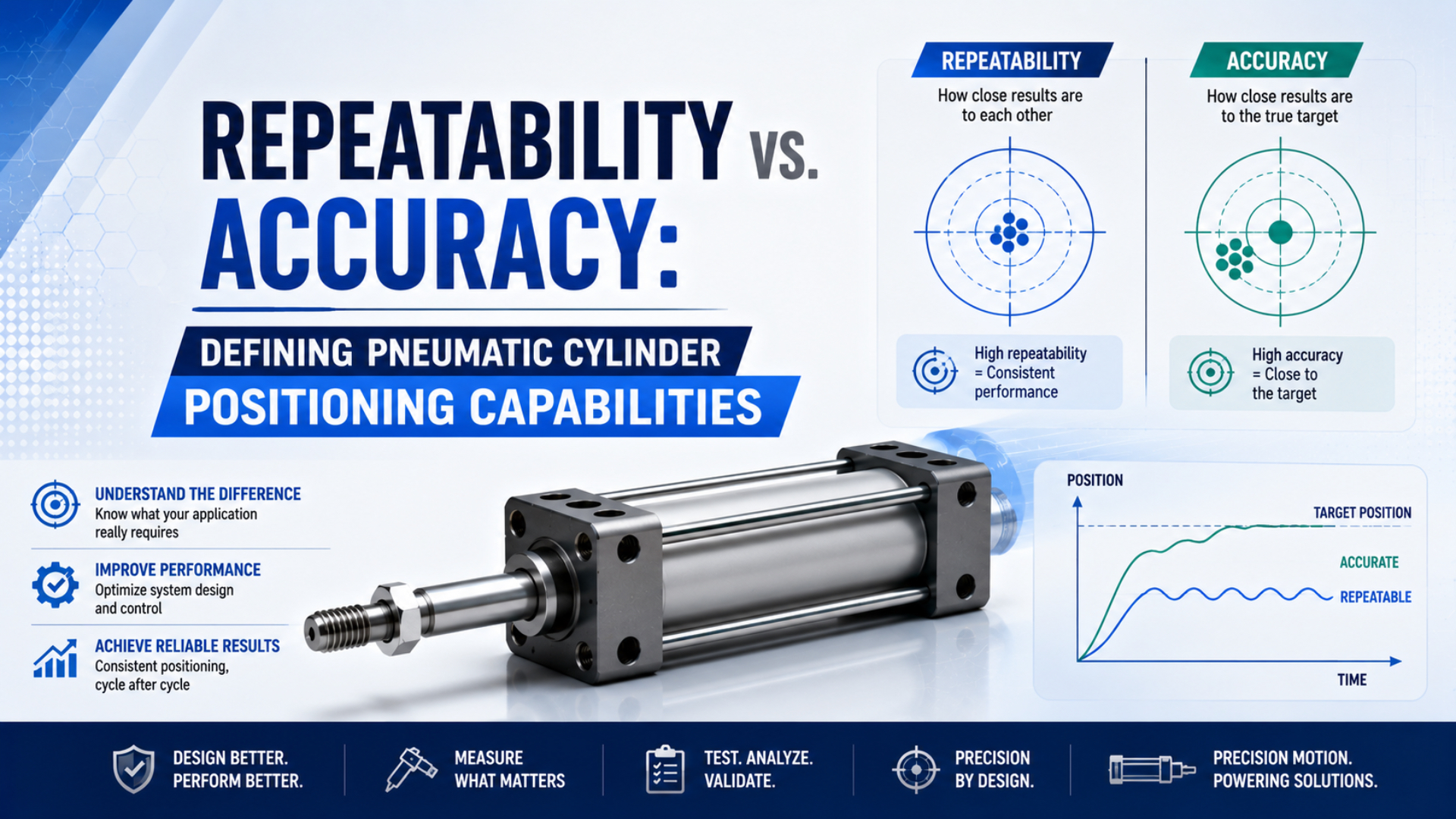 Repeatability vs. Accuracy: Defining Pneumatic Cylinder Positioning CapabilitiesLearn how to separate repeatability, position error, resolution, linearity, and running accuracy, then build a defensible pneumatic cylinder acceptance test.→
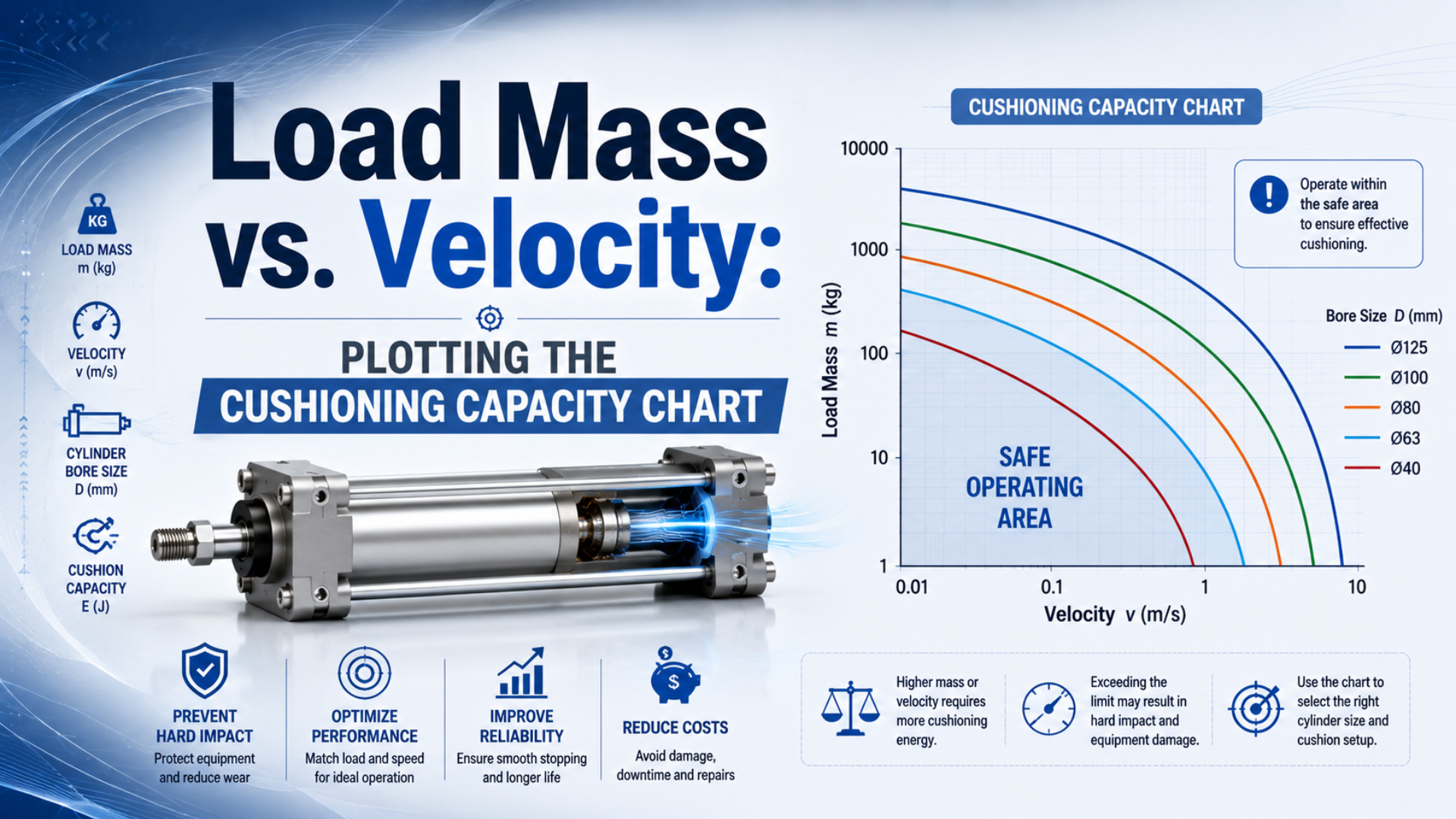 Load Mass vs. Velocity: Plotting the Cushioning Capacity ChartPlot a cushioning capacity chart correctly using total moving mass and speed at cushion entry, then screen the exact cylinder model and operating case.→