
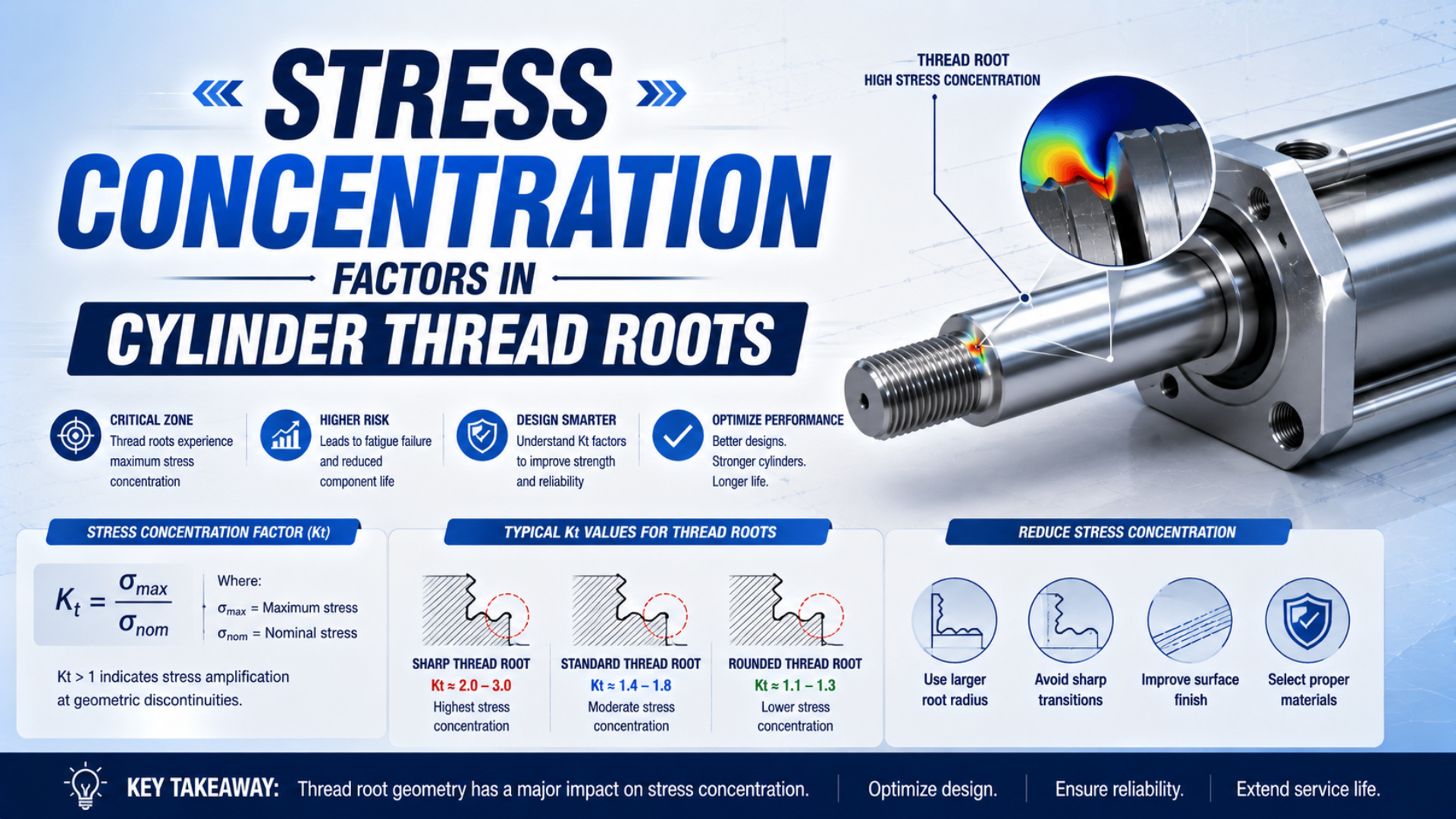
 Stress Concentration Factors in Cylinder Thread RootsSeparate 3 cylinder thread load paths, calculate nominal and local stress, distinguish Kt from Kf, and learn when fatigue testing or FEA is required in service.→
Blog Author
Jason Tan
Hello, I'm Jason, a Bepto Pneumatic manufacturing engineer. I help connect drawings, machining tolerance, sealing interfaces, assembly checks, and inspection needs with build-ready pneumatic parts.
Author Reading Path
Articles by Jason Tan
89 articles sorted newest first for readers who want one author's pneumatic selection notes in one place.
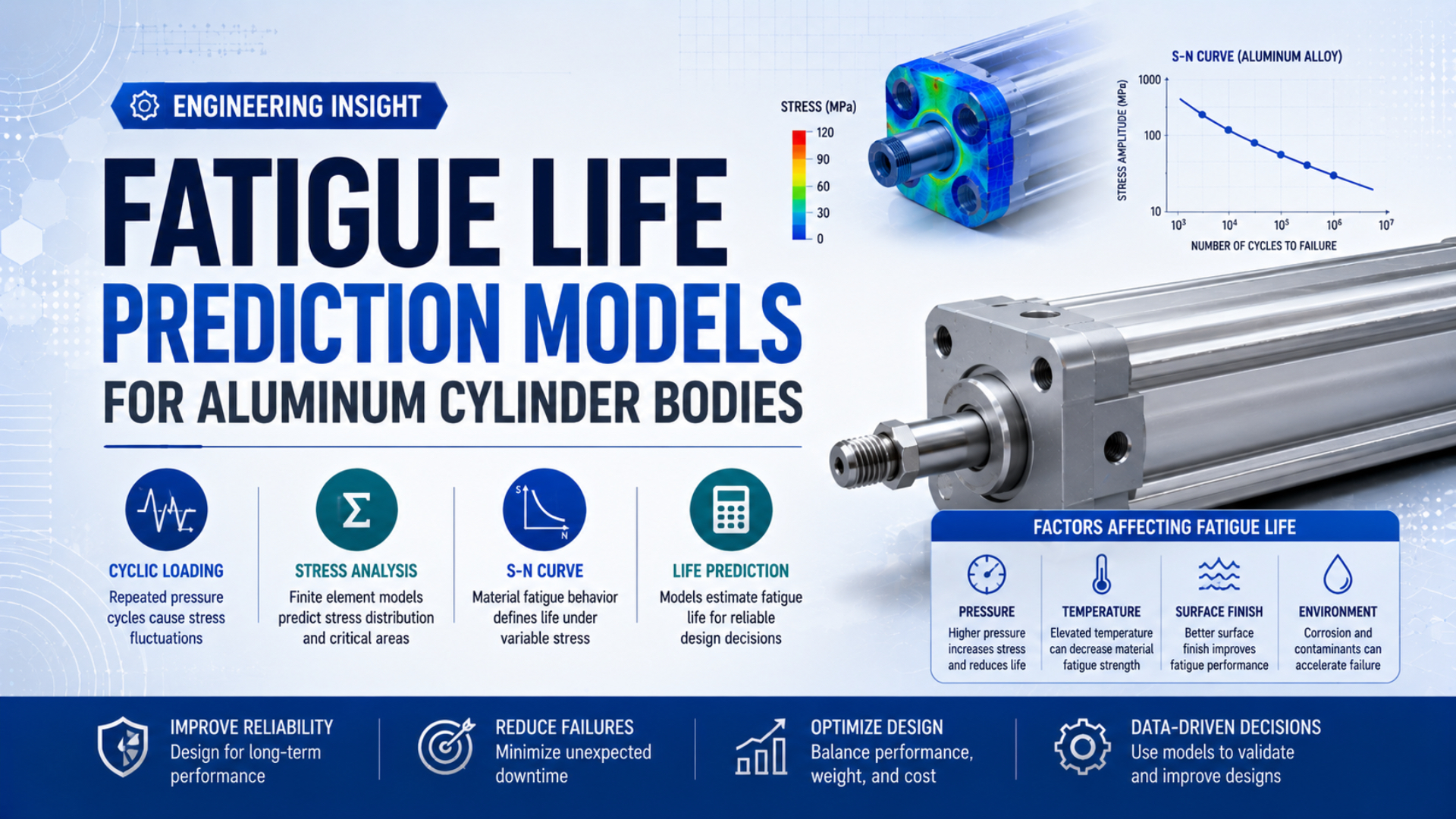 Fatigue Life Prediction Models for Aluminum Cylinder BodiesBuild aluminum cylinder-body fatigue estimates from stress range, R-ratio and cycle counts; ISO 19973-3 reports cylinder life in cycles or kilometres.→
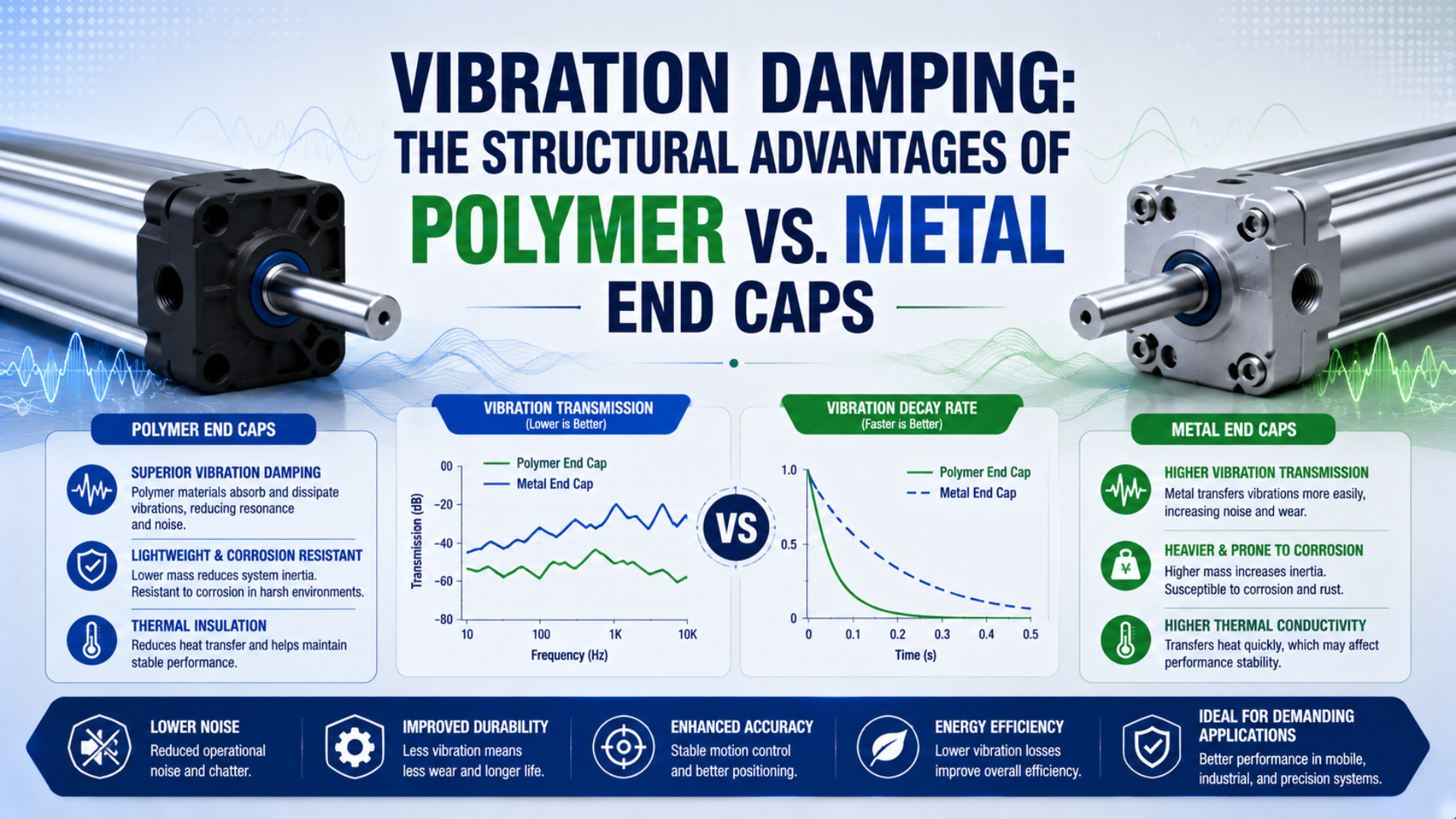 Vibration Damping: The Structural Advantages of Polymer vs. Metal End CapsCompare polymer and metal cylinder end caps through damping, stiffness, creep, temperature, noise testing, and a published 10 bar polymer-cover example.→
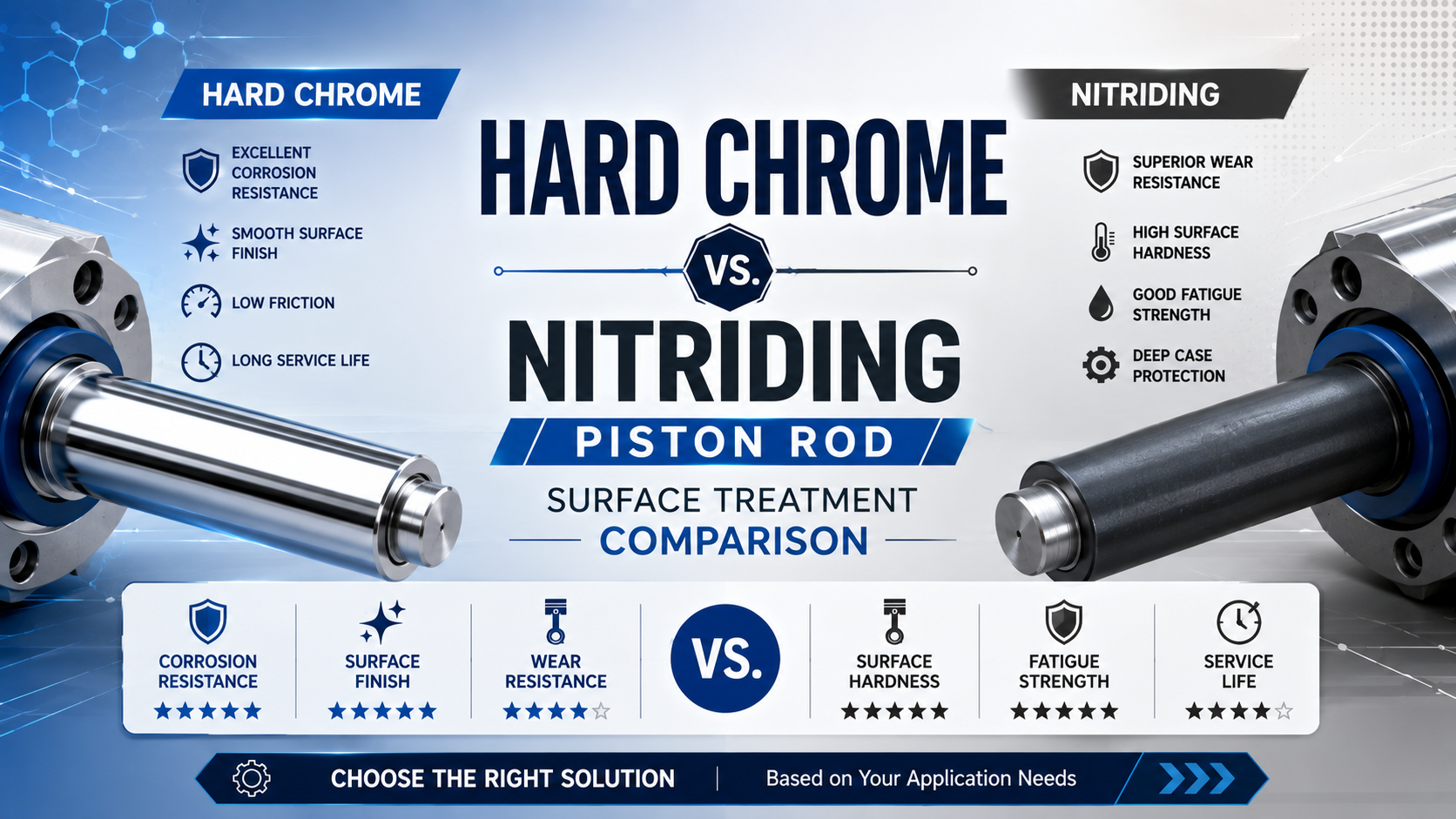 Hard Chrome vs. Nitriding: Piston Rod Surface Treatment ComparisonCompare hard chrome and nitriding for pneumatic piston rods through 6 controls: substrate, layer, finish, corrosion, distortion, and process compliance.→
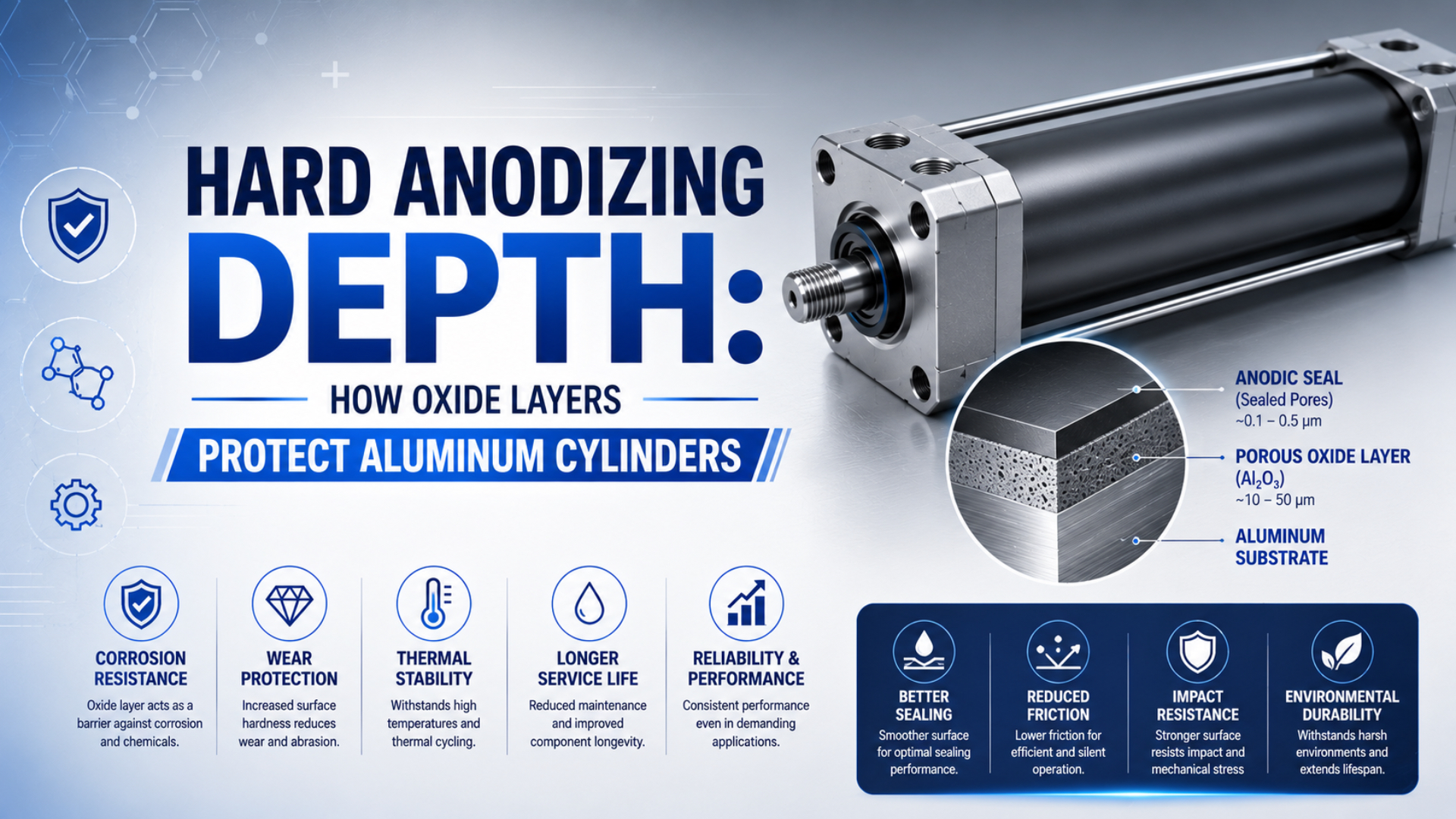 Hard Anodizing Depth: How Oxide Layers Protect Aluminum CylindersLearn why 50 µm is a common Type III reference, how coating growth changes cylinder dimensions, and which ISO and ASTM checks validate hard anodizing.→
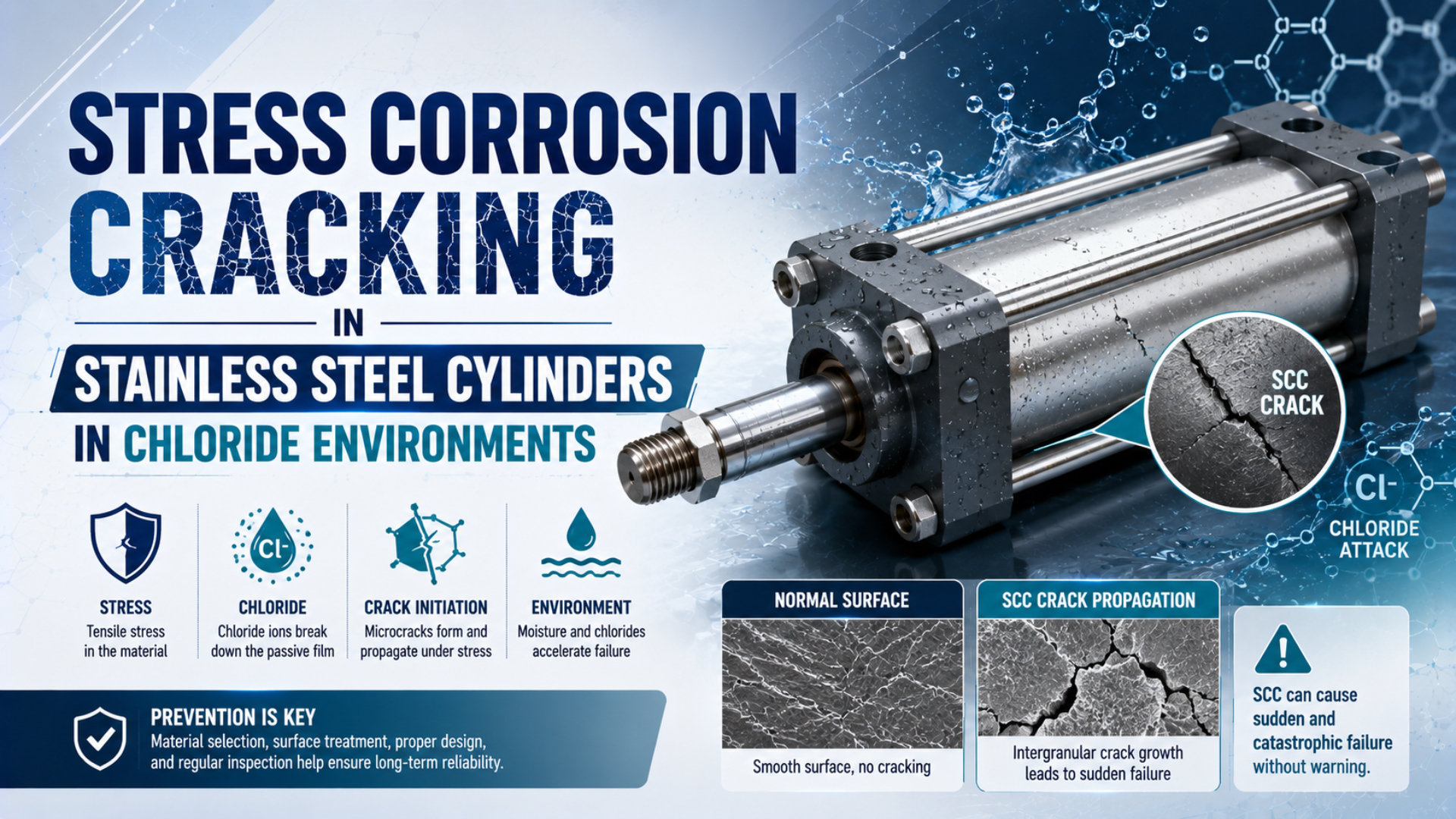 Stress Corrosion Cracking in Stainless Steel Cylinders in Chloride EnvironmentsStress corrosion cracking needs 3 conditions: susceptible stainless steel, tensile stress, and chloride exposure. Learn inspection and prevention steps.→
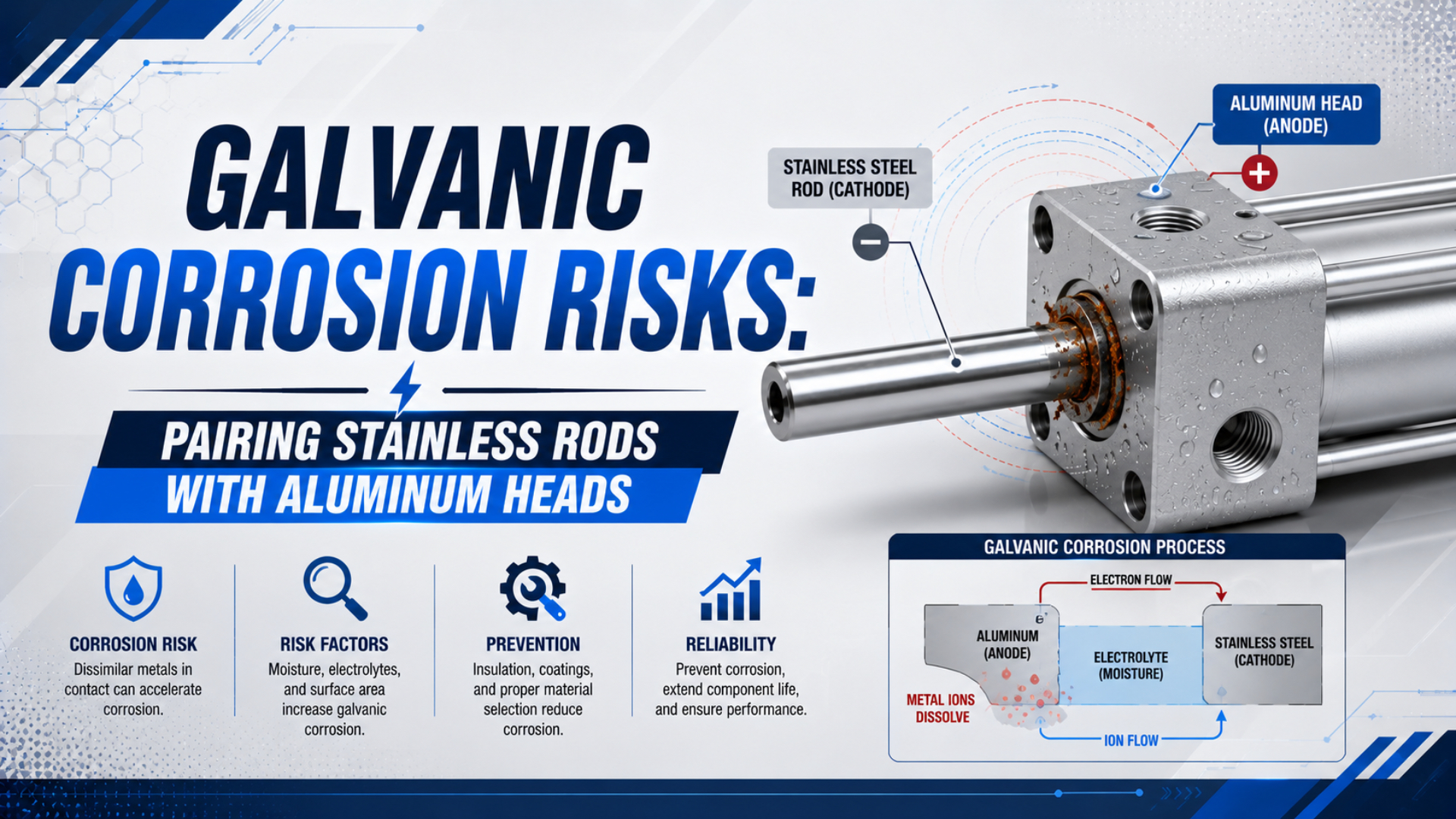 Galvanic Corrosion Risks: Pairing Stainless Rods with Aluminum HeadsA Norgren cylinder pairs a 303 stainless rod with aluminum end caps and a bronze bushing. Learn when galvanic corrosion can occur and how to isolate the joint.→
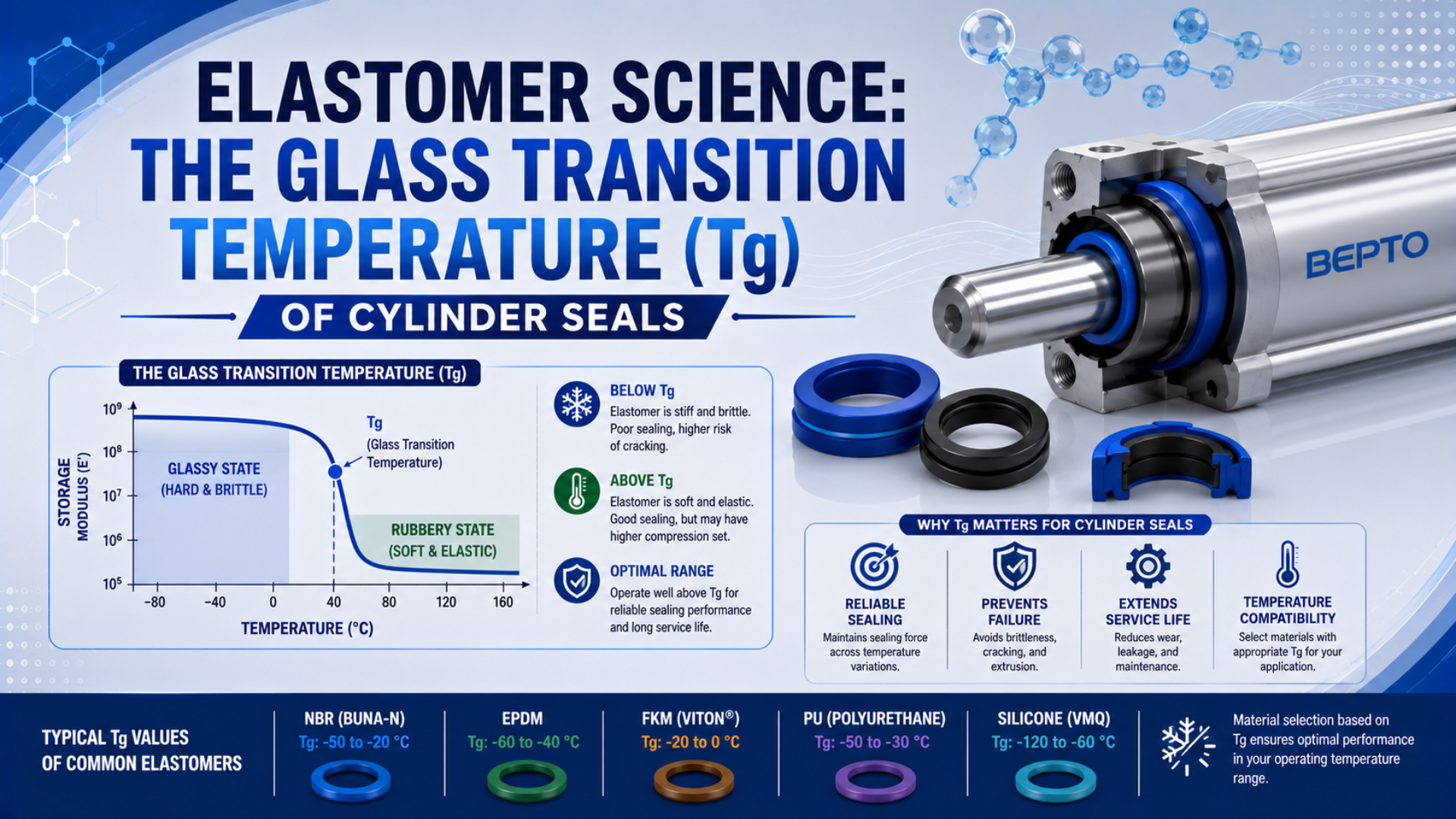 Elastomer Science: The Glass Transition Temperature (Tg) of Cylinder SealsLearn how 4 low-temperature tests, Tg, TR10, Gehman stiffness, and brittleness, differ and how to qualify pneumatic cylinder seals.→
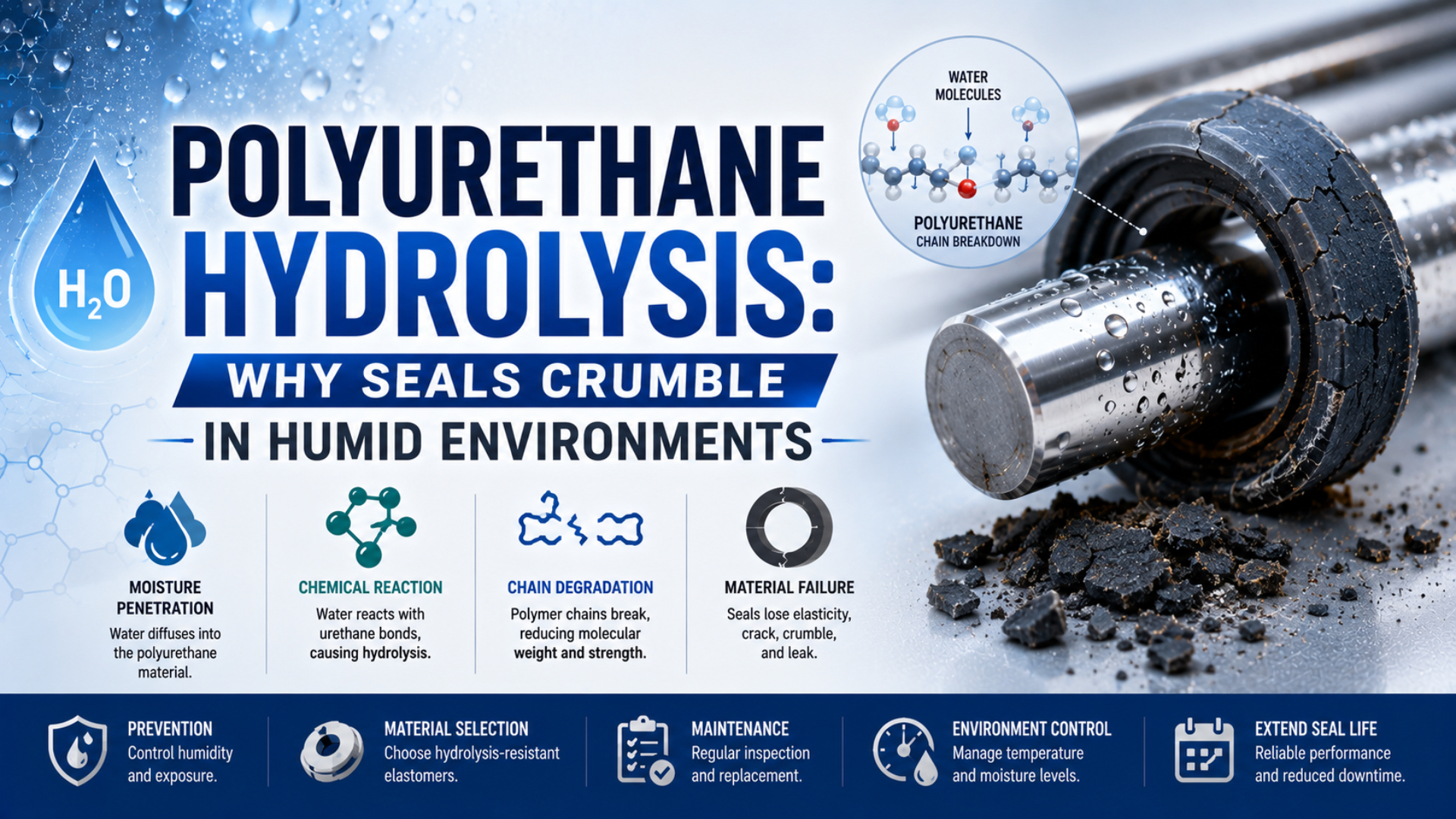 Polyurethane Hydrolysis: Why Seals Crumble in Humid EnvironmentsDiagnose polyurethane seal hydrolysis using 5 evidence groups, material chemistry, ISO test methods, and retained-property data that separates it from wear.→