










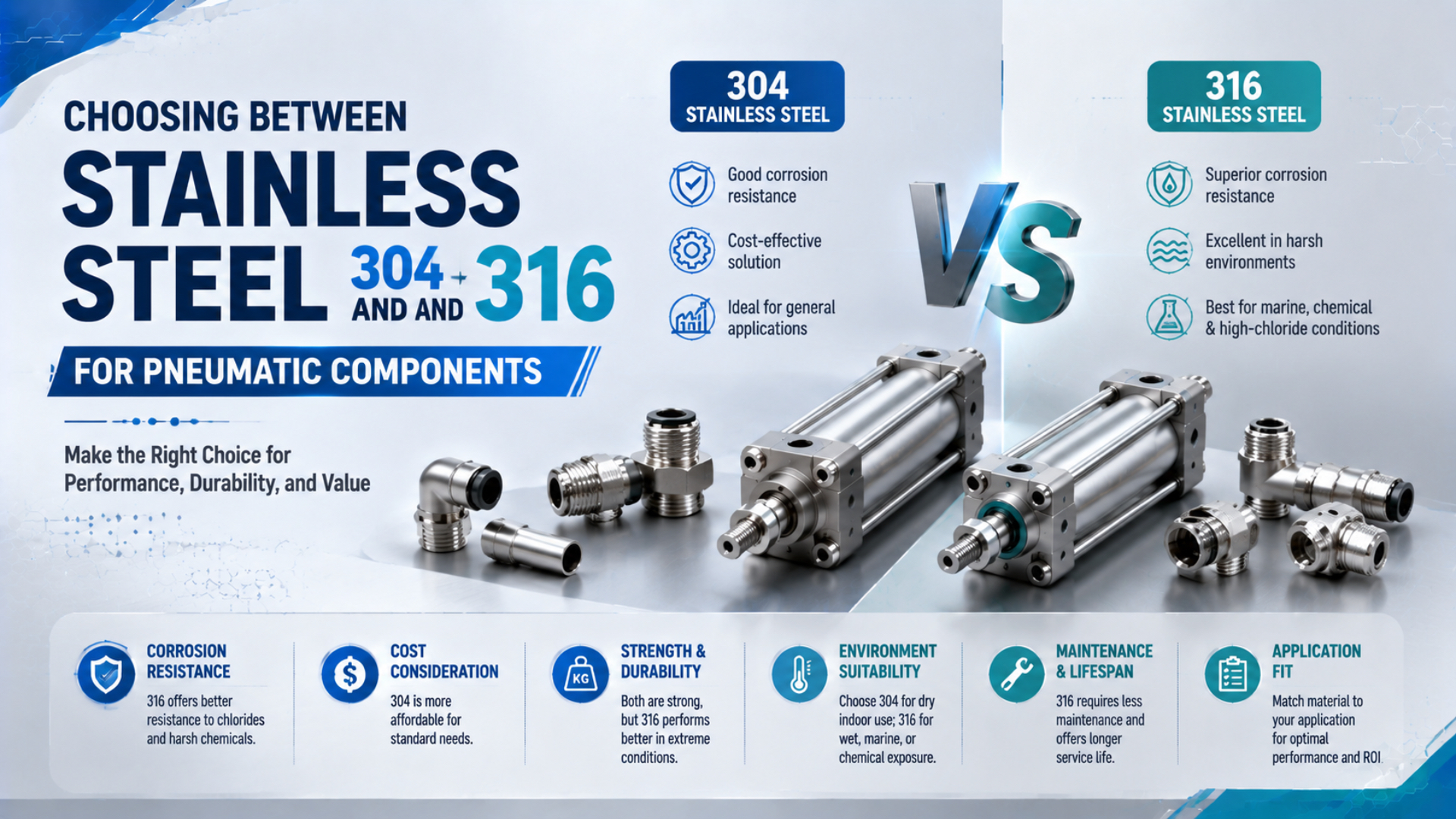
 Choosing Between Stainless Steel 304 and 316 for Pneumatic ComponentsChoose stainless steel 304 or 316 pneumatic components using 2.1% molybdenum context, chloride exposure, cleaning chemistry, MTRs, and PMI checks in service.
All Articles
Latest pneumatic selection notes
Use the newest Bepto Pneumatic articles to prepare better product questions, compare component options, and shorten technical review.
- Choosing Between Stainless Steel 304 and 316 for Pneumatic ComponentsChoose stainless steel 304 or 316 pneumatic components using 2.1% molybdenum context, chloride exposure, cleaning chemistry, MTRs, and PMI checks in service.
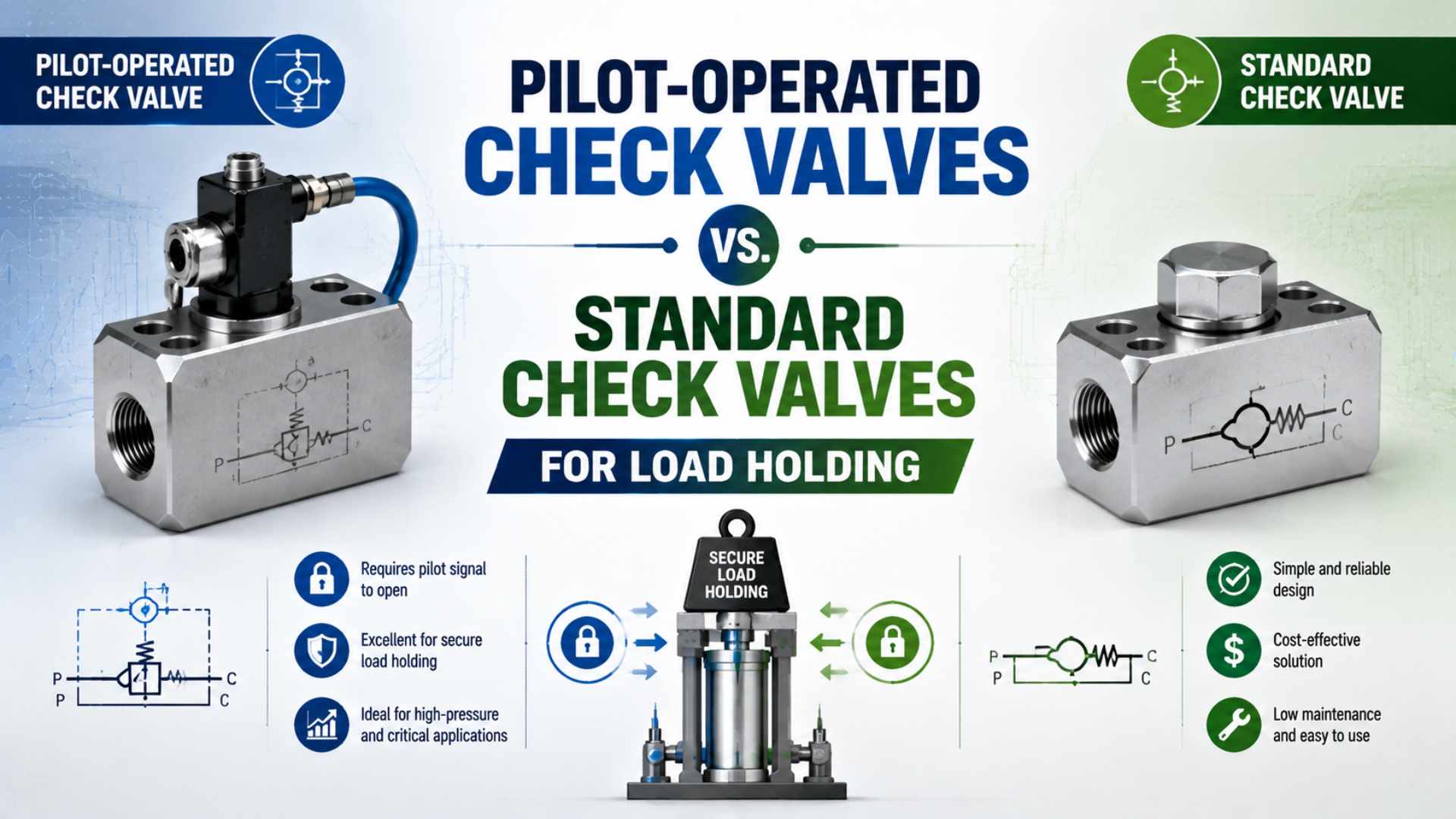 Pilot-Operated Check Valves vs. Standard Check Valves for Load HoldingCompare standard and pilot-operated check valves for pneumatic load holding, including leakage, pilot release, trapped energy, safety limits, and commissioning.
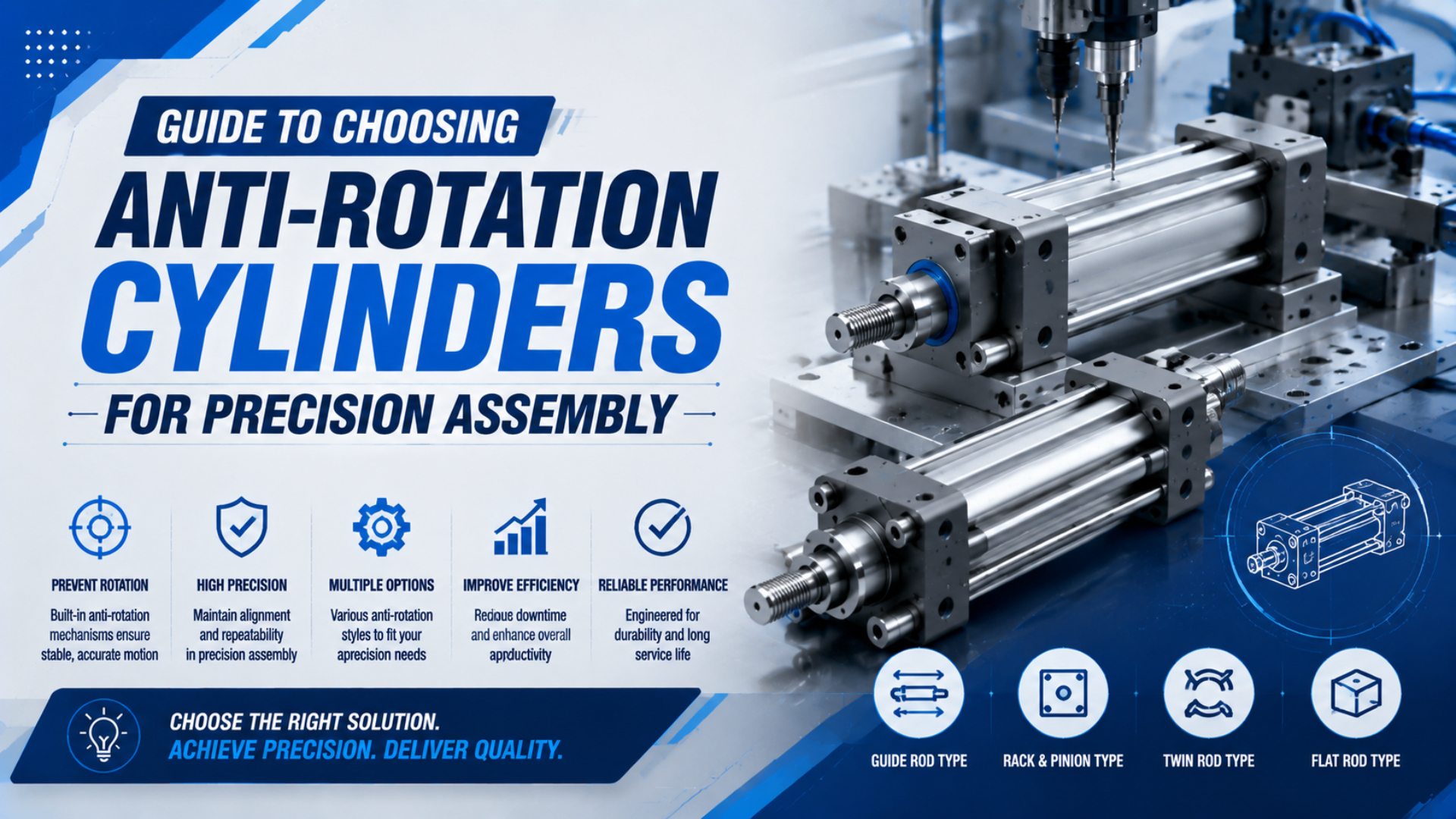 Guide to Choosing Anti-Rotation Cylinders for Precision AssemblyChoose an anti-rotation cylinder by tool-tip error, Mx/My/Mz load, and stroke. Includes SMC ±0.1° data, Festo torque examples, and acceptance test steps.
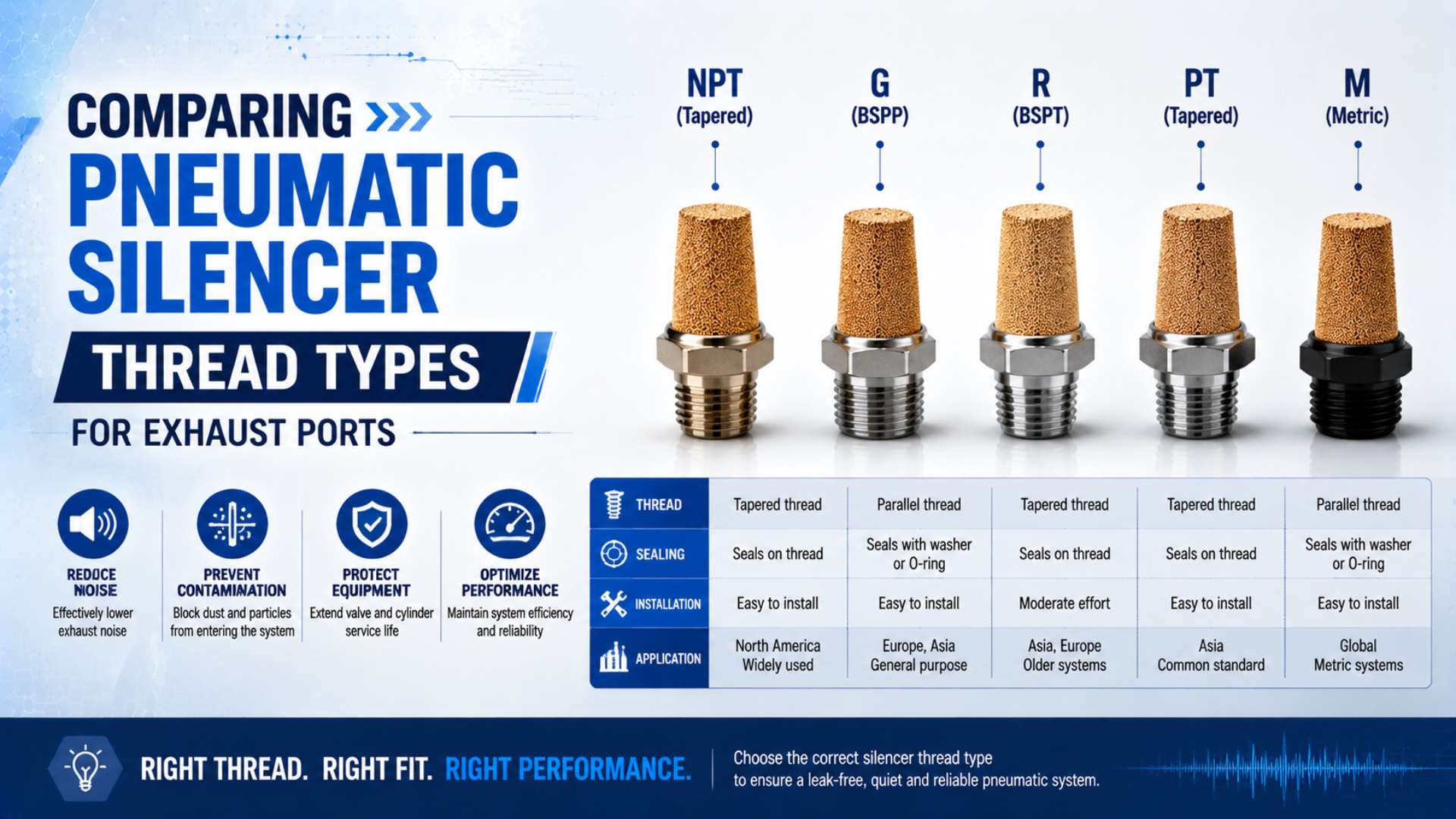 Comparing Pneumatic Silencer Thread Types for Exhaust PortsCompare 4 pneumatic silencer thread groups using ISO and ASME definitions, then verify sealing, flow, back pressure, and mounting before a safe replacement.
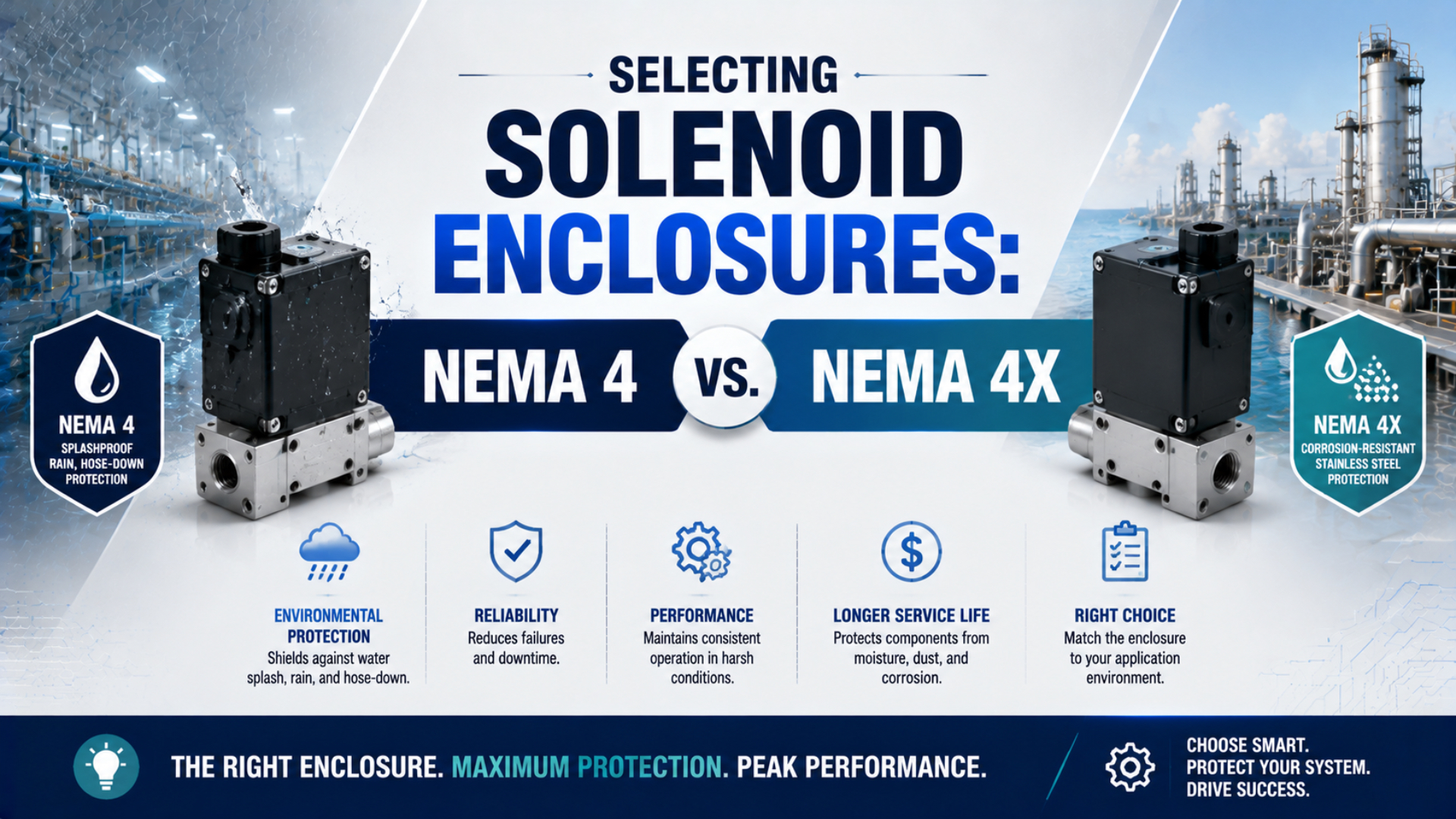 Selecting Solenoid Enclosures: NEMA 4 vs. NEMA 4XSelect NEMA 4 or 4X solenoid enclosures using NEMA’s 600-hour plus 200-hour corrosion tests, IP limits, material checks, assembly ratings, and RFQ evidence.
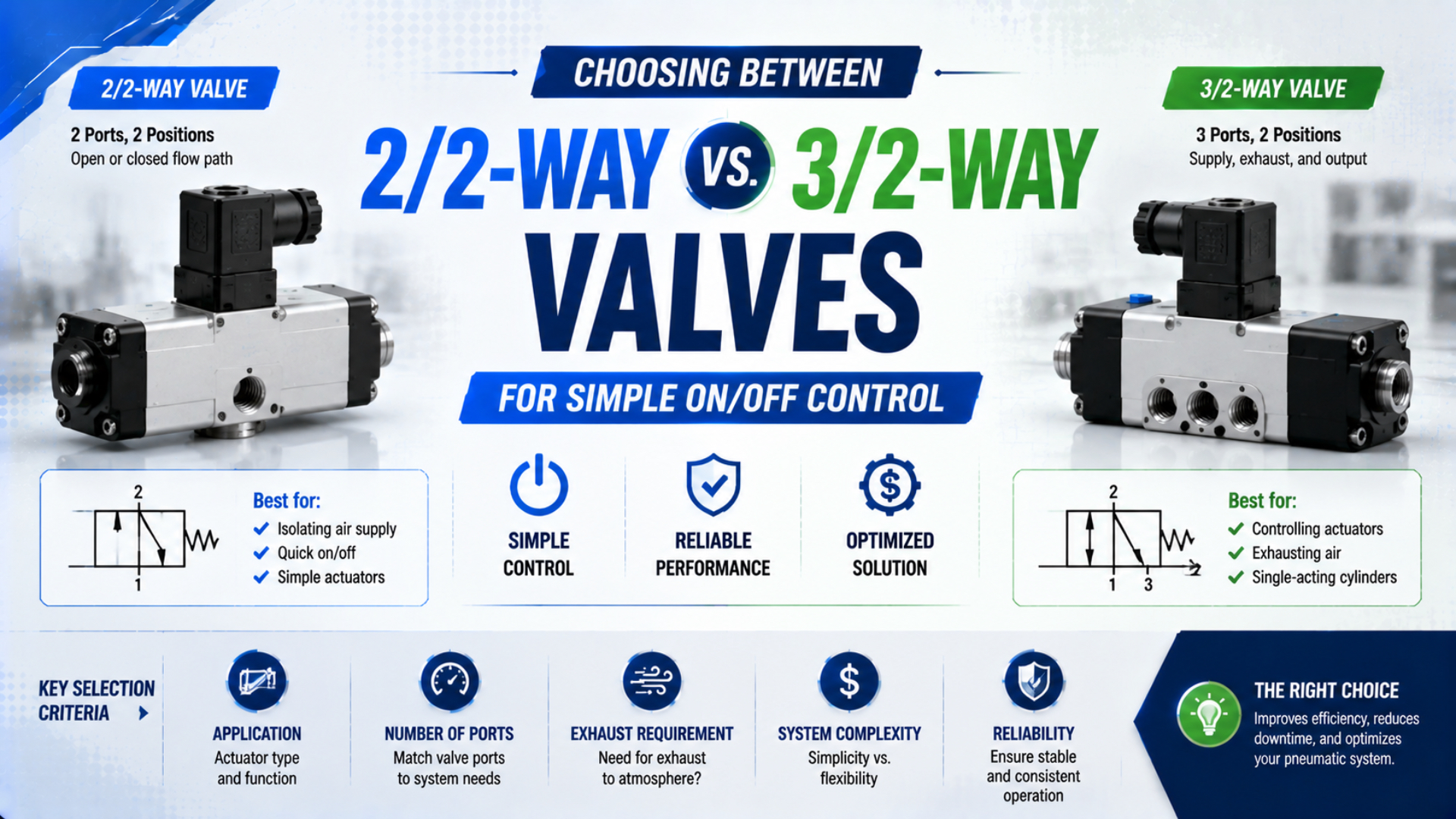 Choosing Between 2/2-Way and 3/2-Way Valves for Simple On/Off ControlChoose 2/2 or 3/2 valves using 7 checks: flow paths, normal state, medium, pressure range, leakage, exhaust capacity, and safe isolation.
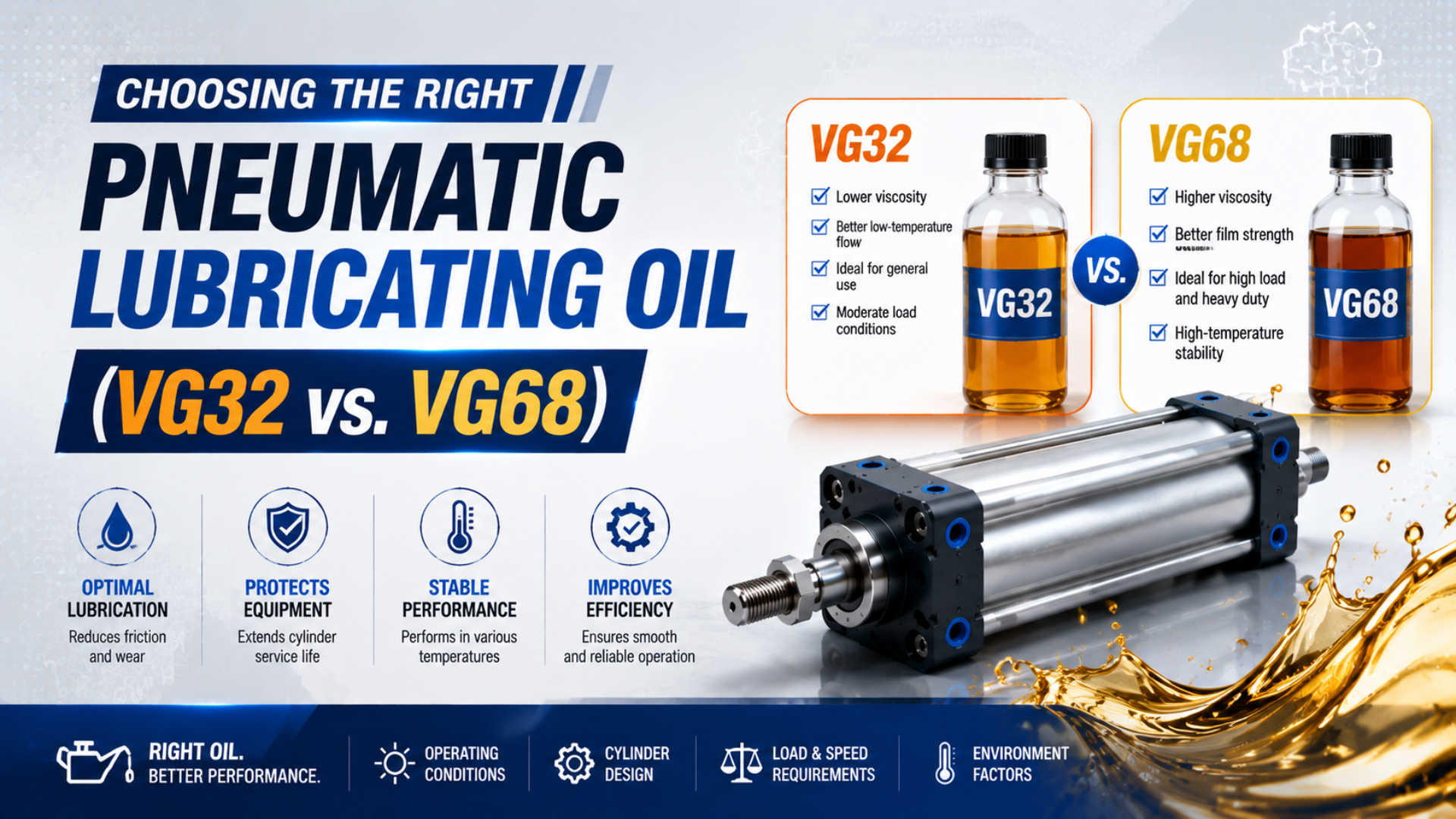 Choosing the Right Pneumatic Lubricating Oil (VG32 vs. VG68)Choose VG32 or VG68 pneumatic oil using 6 checks for OEM requirements, 40°C viscosity, lubricant chemistry, seal compatibility, FRL delivery, and H1 service.
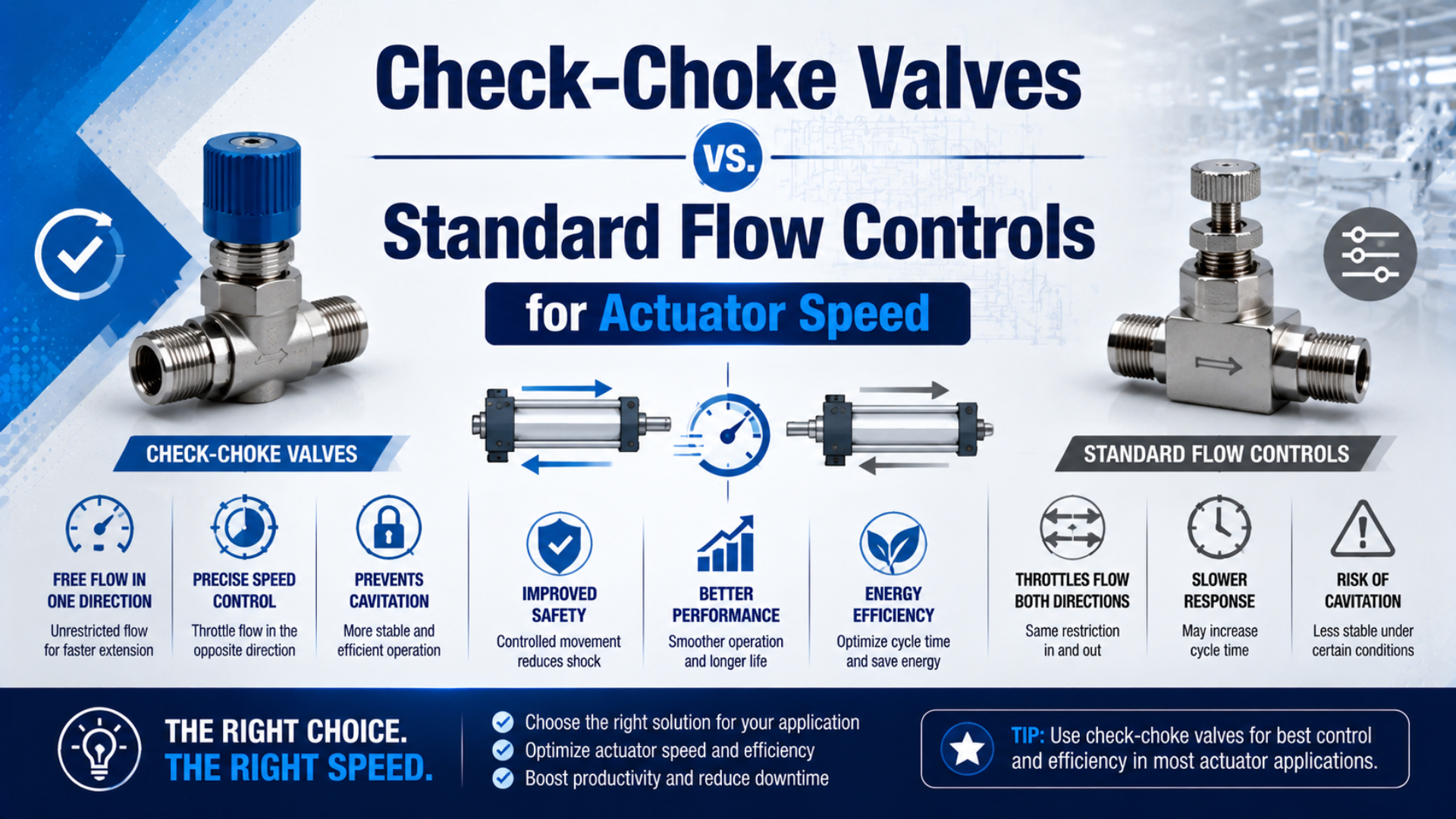 Check-Choke Valves vs. Standard Flow Controls for Actuator SpeedIdentify check-choke and bidirectional flow controls by symbol and direction; Parker recommends 2 valves for independent double-acting cylinder speeds.
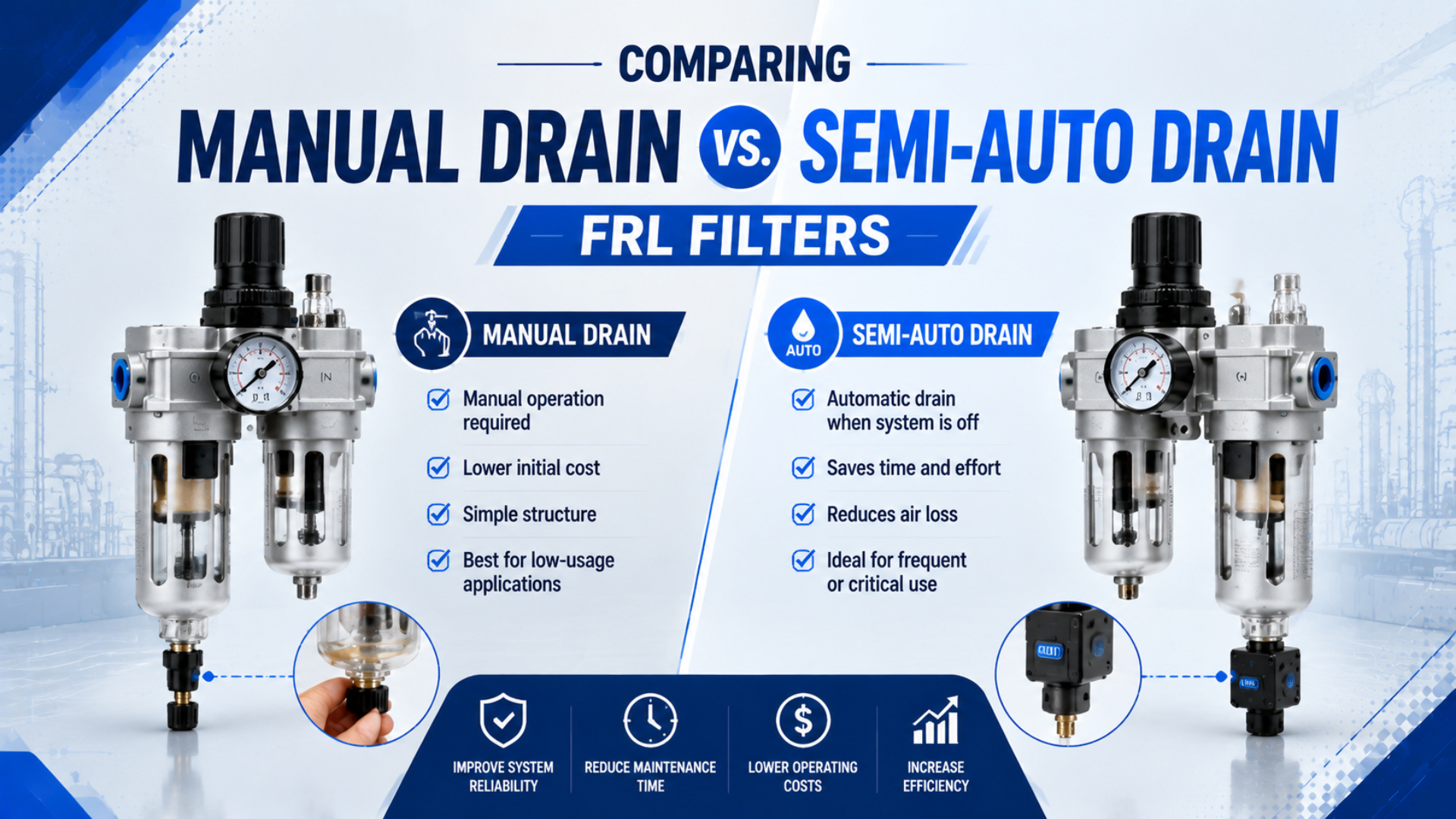 Comparing Manual Drain vs. Semi-Auto Drain FRL FiltersCompare manual and semi-automatic FRL filter drains by mechanism, pressure cycle, measured condensate rate, bowl capacity, maintenance access, and failure response.