










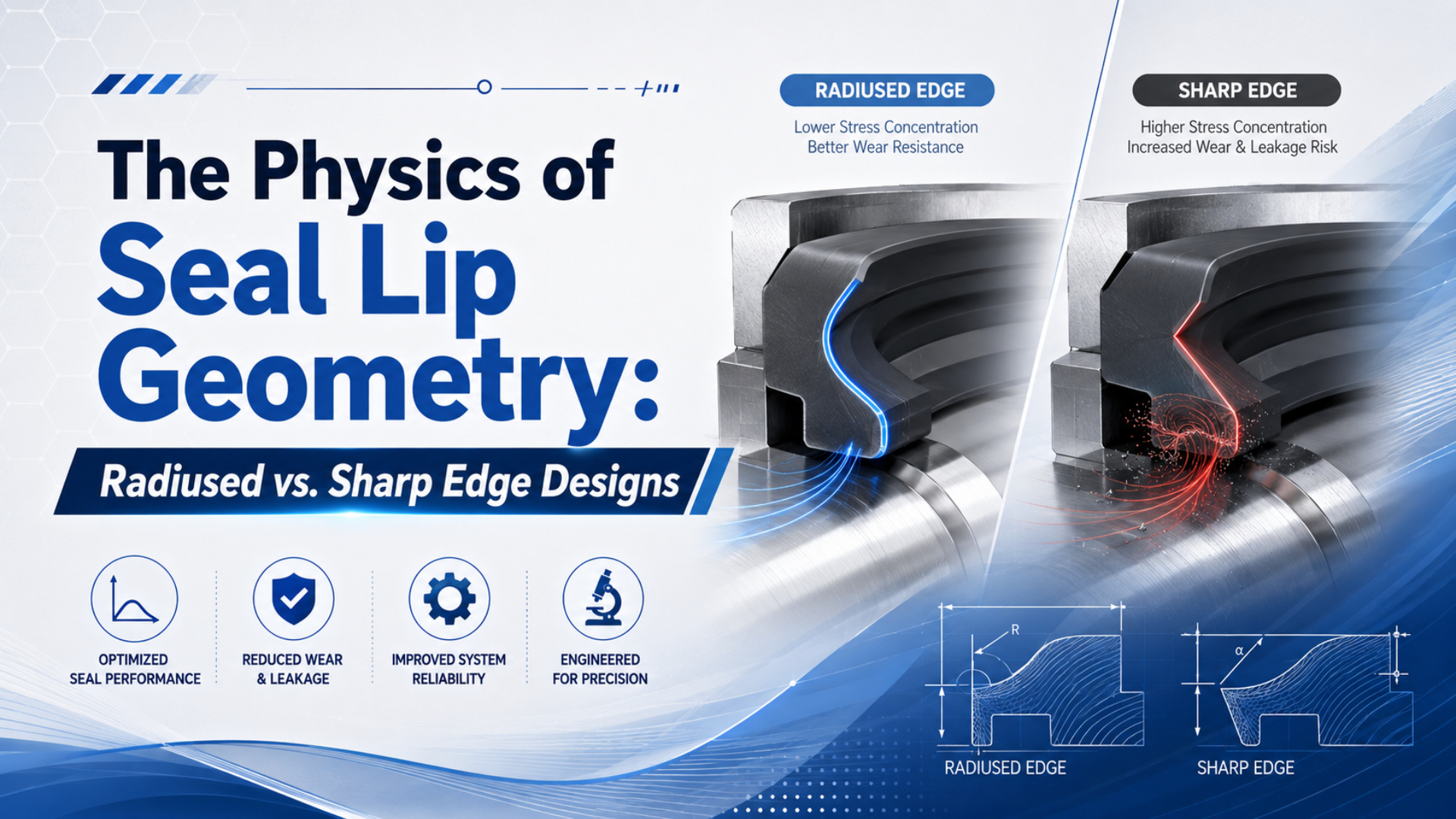
 The Physics of Seal Lip Geometry: Radiused vs. Sharp Edge DesignsCompare 3 pneumatic sealing functions and learn how lip radius, preload, rod finish, lubrication, and wiper pairing control friction, leakage, and wear.
All Articles
Latest pneumatic selection notes
Use the newest Bepto Pneumatic articles to prepare better product questions, compare component options, and shorten technical review.
- The Physics of Seal Lip Geometry: Radiused vs. Sharp Edge DesignsCompare 3 pneumatic sealing functions and learn how lip radius, preload, rod finish, lubrication, and wiper pairing control friction, leakage, and wear.
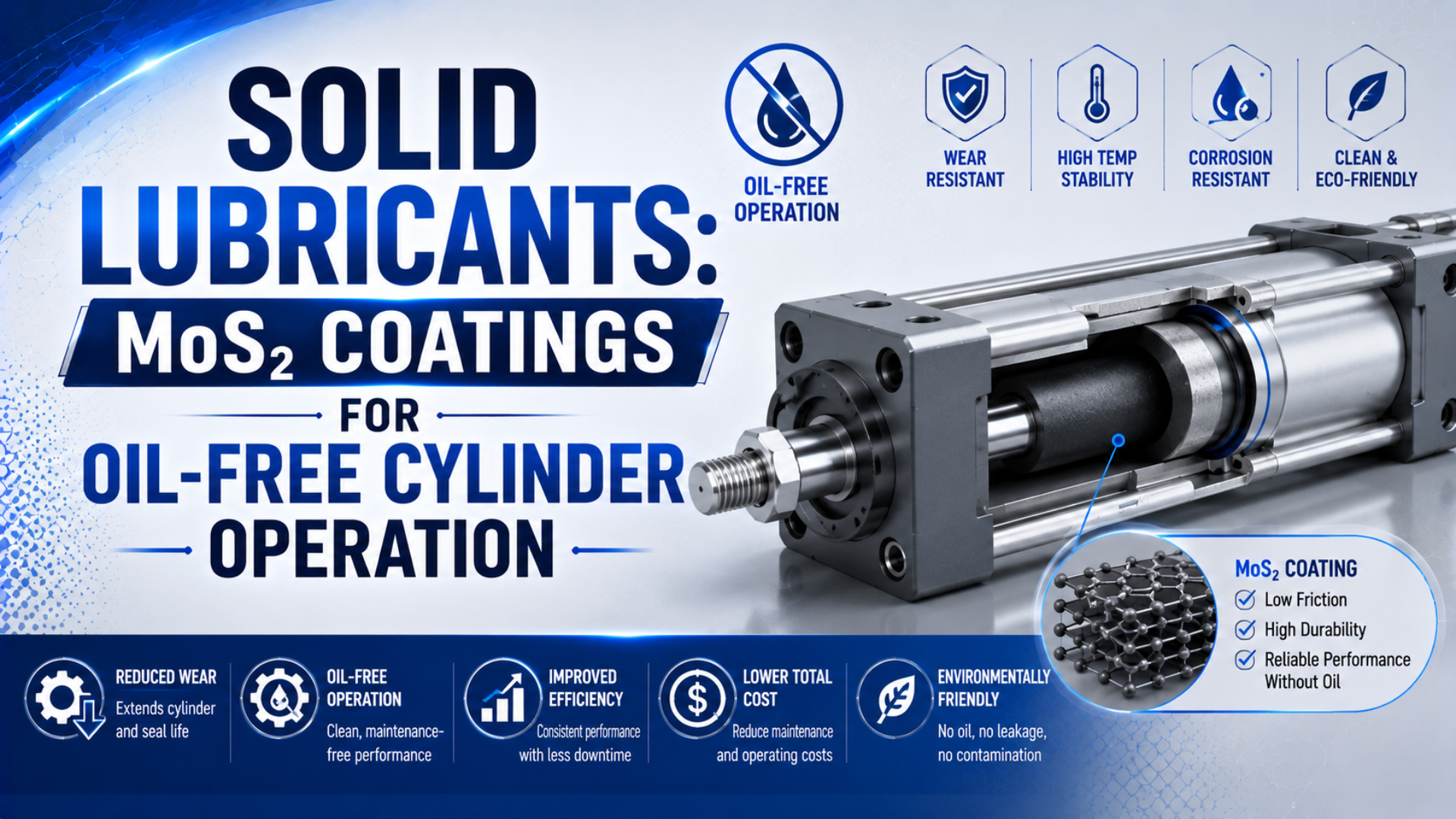 Solid Lubricants: MoS2 Coatings for Oil-Free Cylinder OperationNASA tests of 6 MoS2 coatings show why humidity, binder, film thickness, seals, and acceptance testing define oil-free pneumatic cylinder performance.
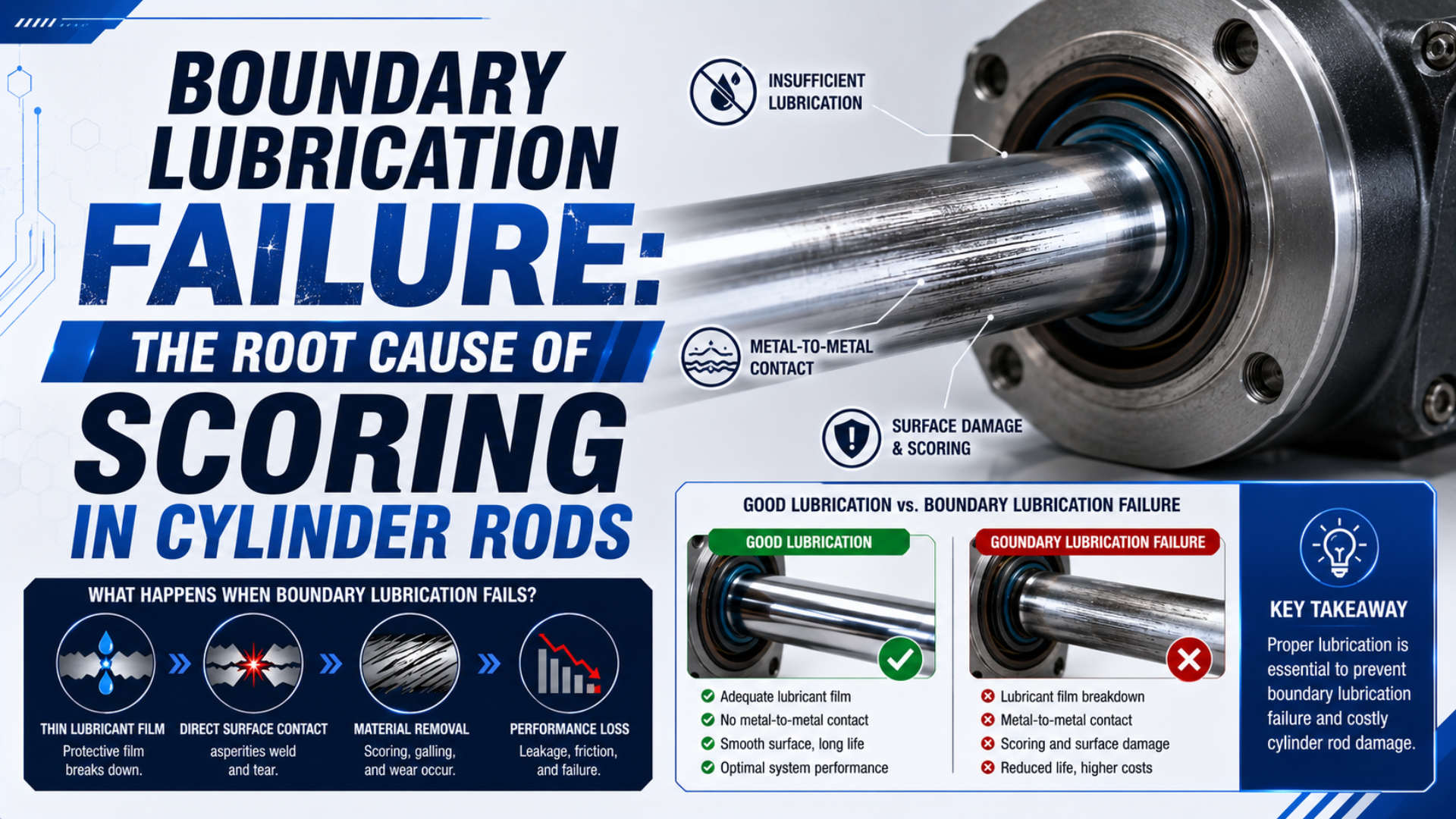 Boundary Lubrication Failure: The Root Cause of Scoring in Cylinder RodsDiagnose 5 cylinder rod scoring patterns, separate boundary lubrication from root causes, and verify alignment, debris, lubricant, surfaces, and repair limits.
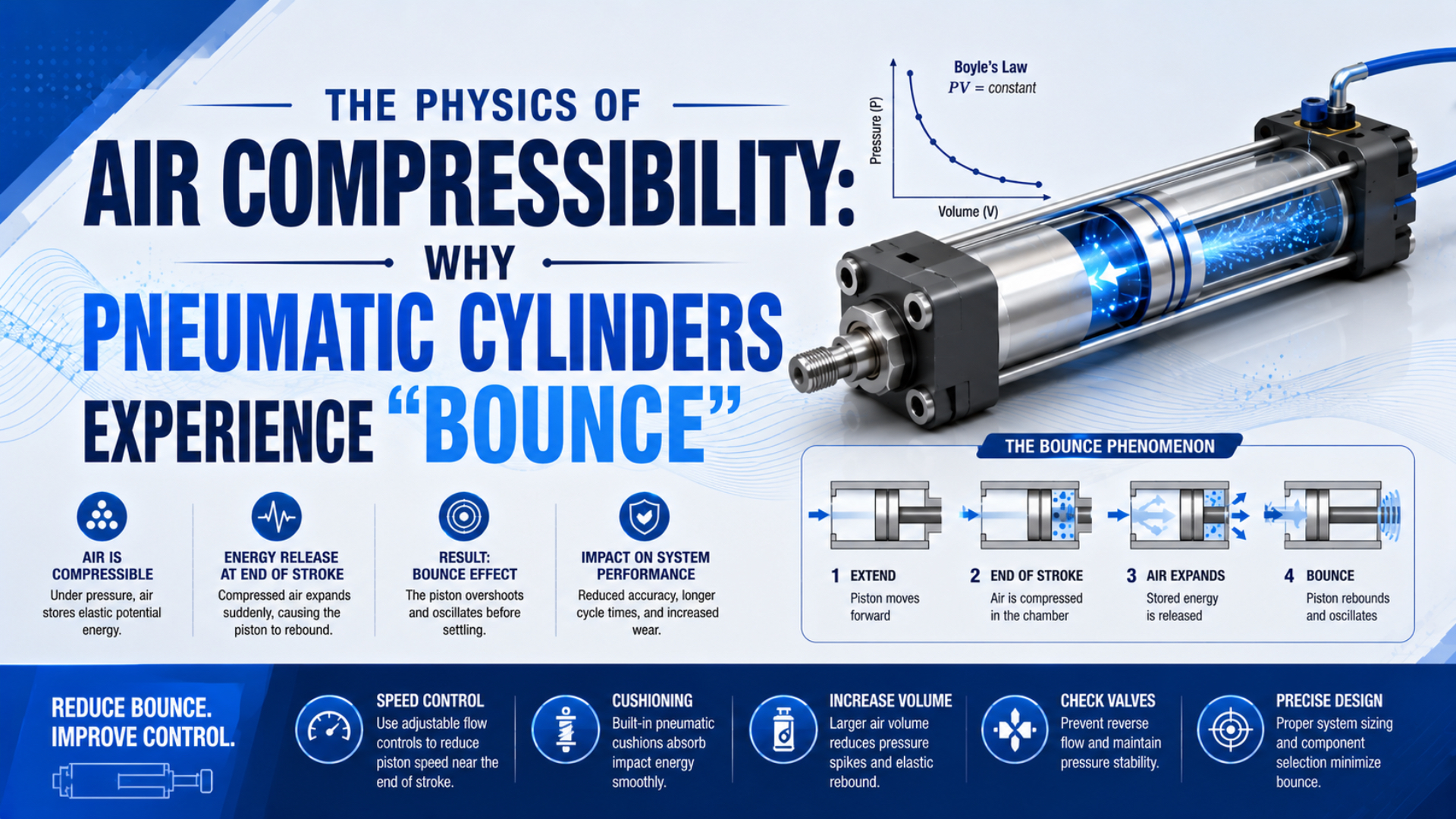 The Physics of Air Compressibility: Why Pneumatic Cylinders Experience “Bounce”Learn why cylinder speed, trapped air, cushioning, friction, and control tuning cause pneumatic cylinder bounce, plus how to diagnose and stop it.
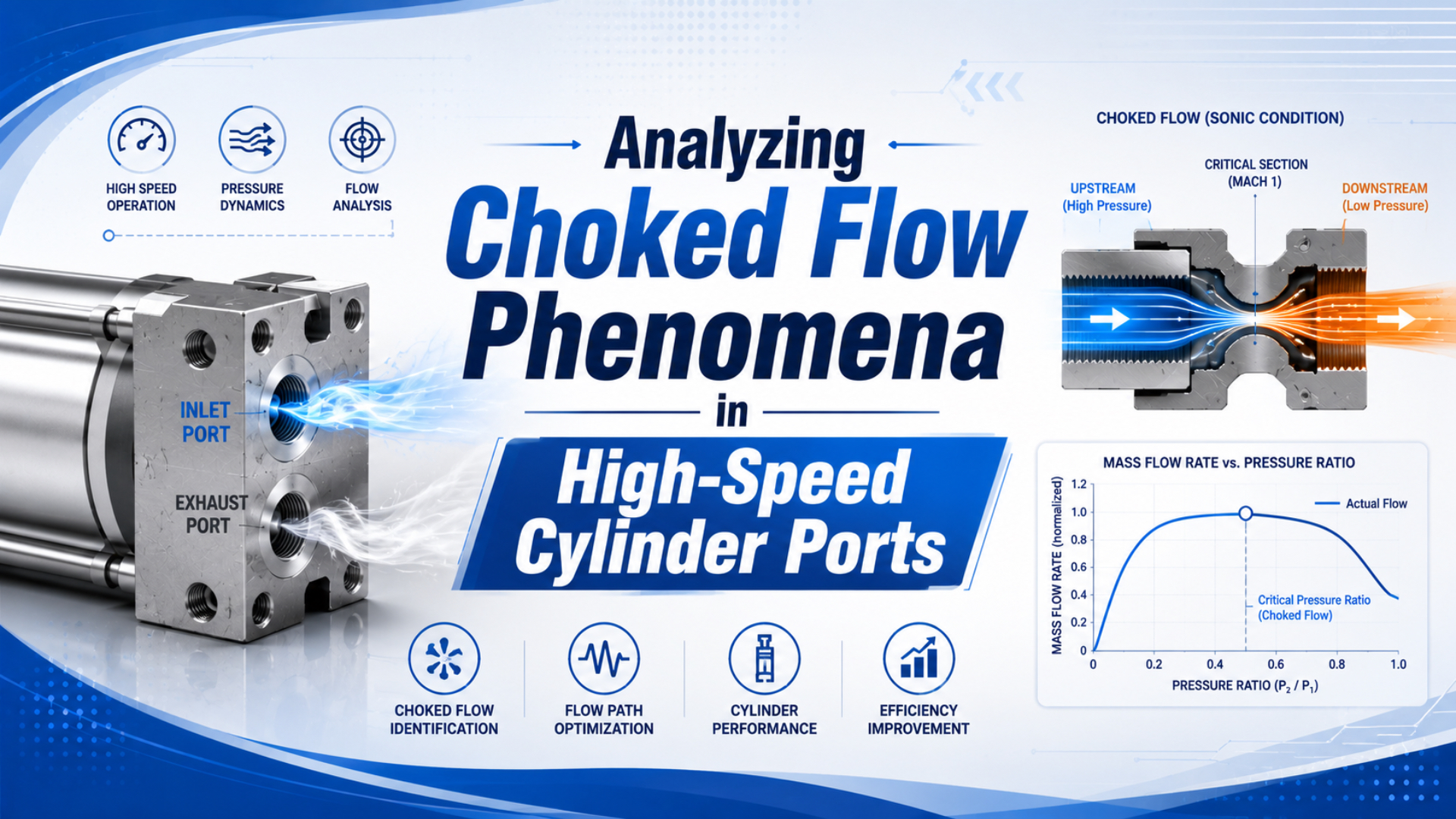 Analyzing Choked Flow Phenomena in High-Speed Cylinder PortsIdeal dry air chokes near p2/p1 = 0.528. Learn to measure cylinder-port pressure, locate restrictions, and verify flow for high-speed strokes.
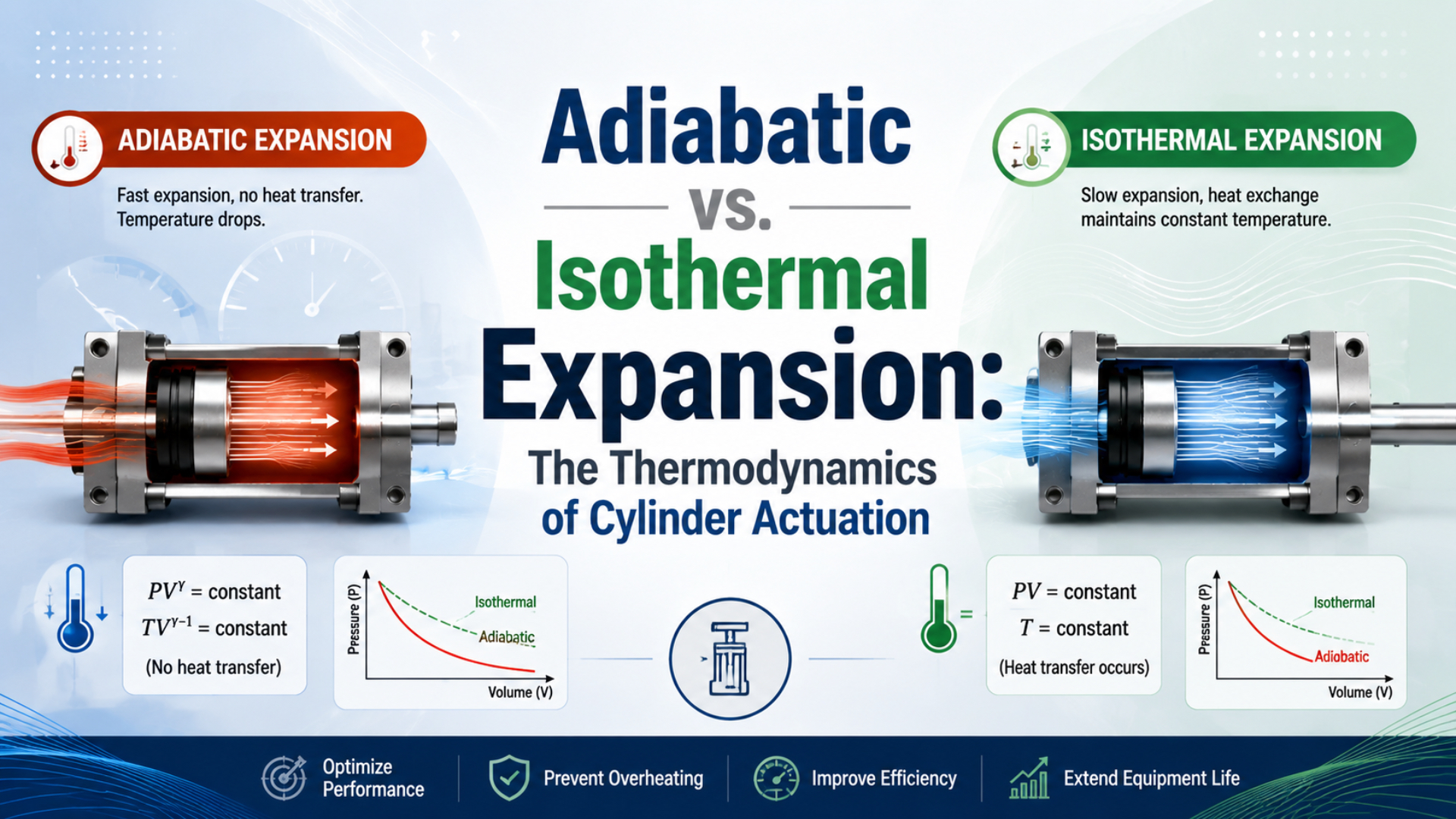 Adiabatic vs. Isothermal Expansion: The Thermodynamics of Cylinder ActuationCompare cylinder models using measured 23 K heating and 17 K cooling data to separate ideal expansion laws from real pneumatic actuation and sizing errors.
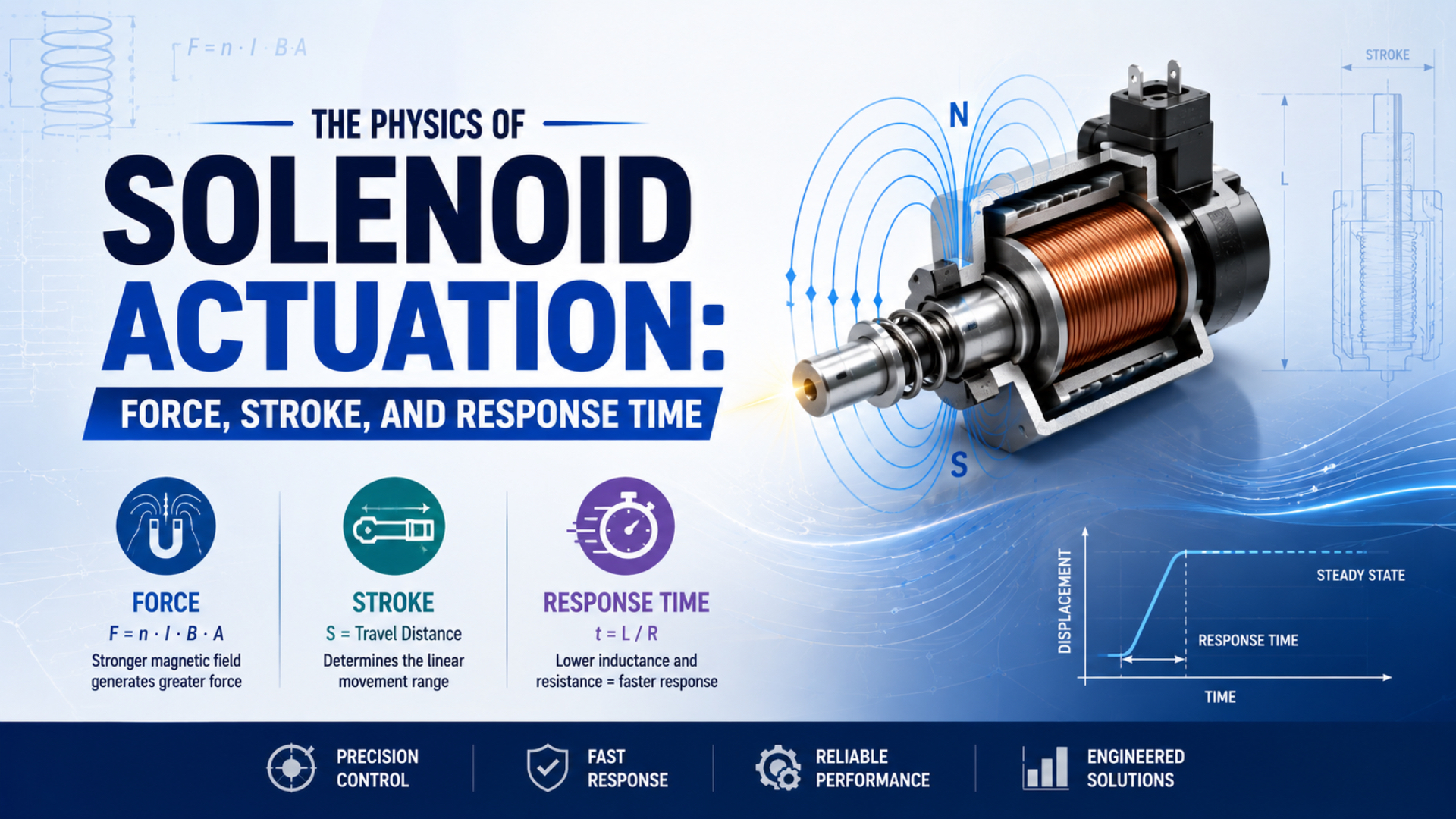 The Physics of Solenoid Actuation: Force, Stroke, and Response TimeLearn how solenoid force changes with stroke, why a 12 ms valve rating needs test conditions, and how current, load, and air gaps set real response time.
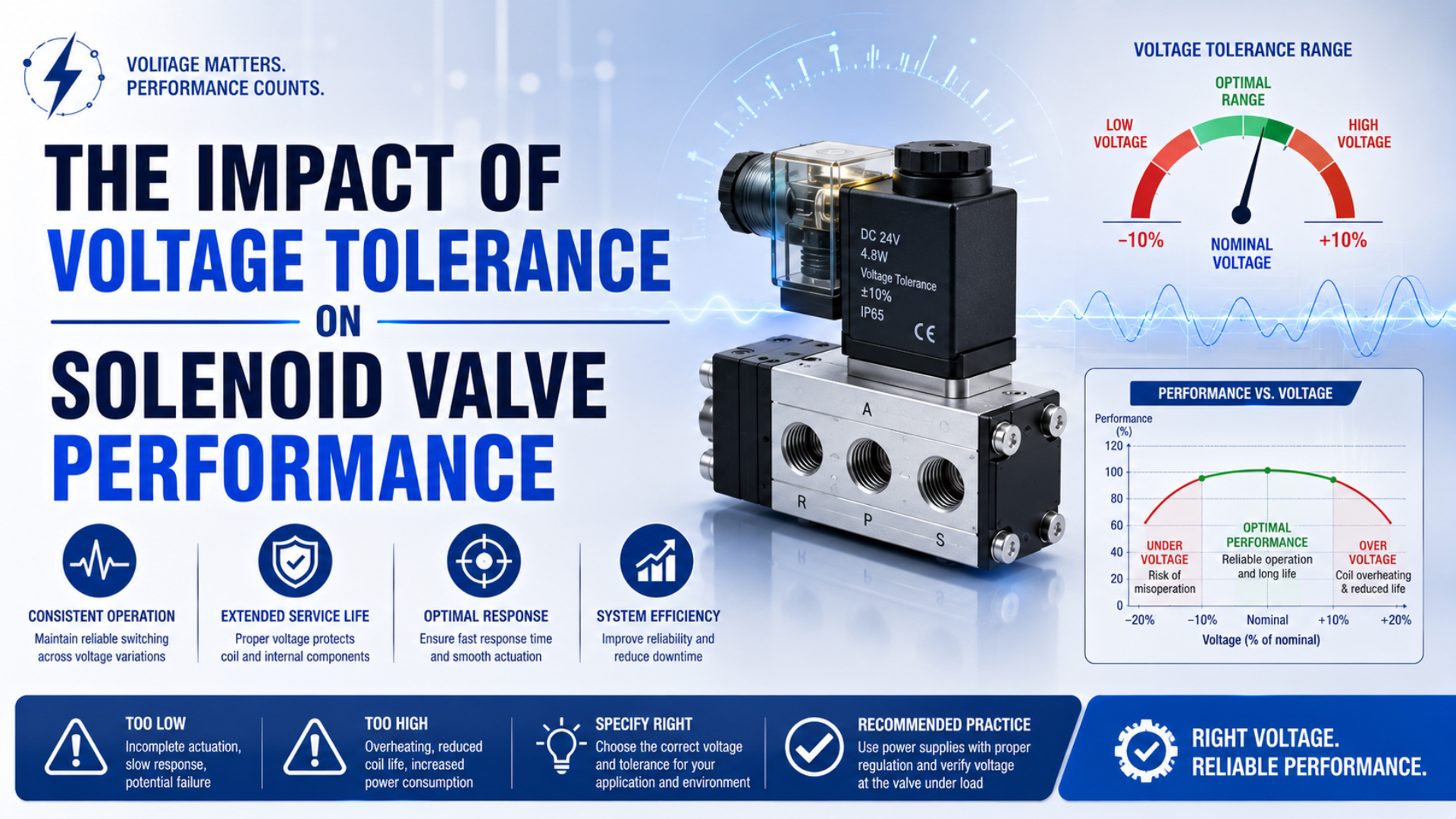 The Impact of Voltage Tolerance on Solenoid Valve PerformanceSMC permits -15% to +10% voltage on one valve series, while other coils specify ±10%. Learn to verify hot, loaded coil voltage before commissioning approval.
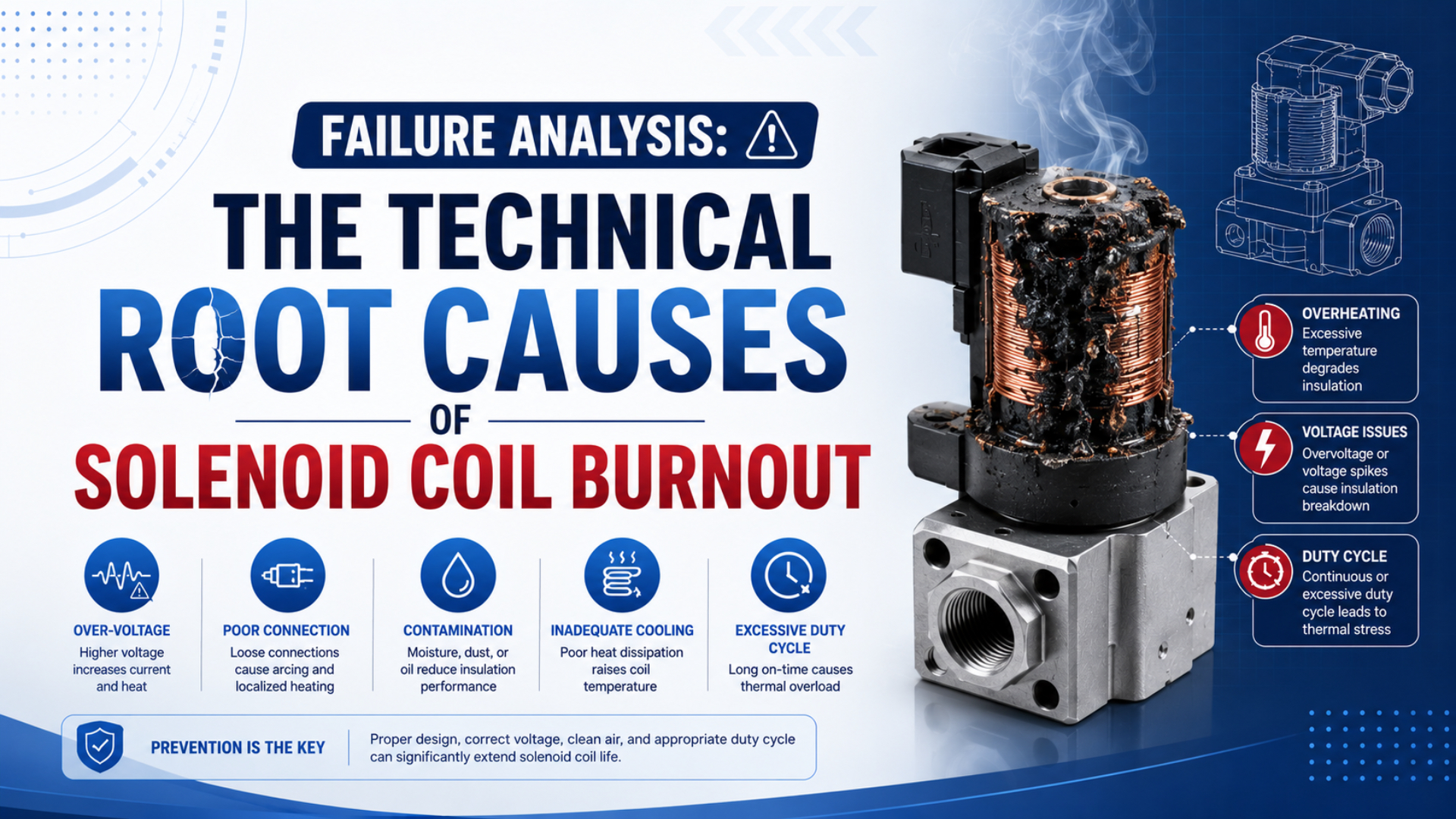 Failure Analysis: The Technical Root Causes of Solenoid Coil BurnoutDiagnose solenoid coil burnout by separating 4 coil architectures and checking voltage, current, duty rating, heat, moisture, connectors, and core movement.