










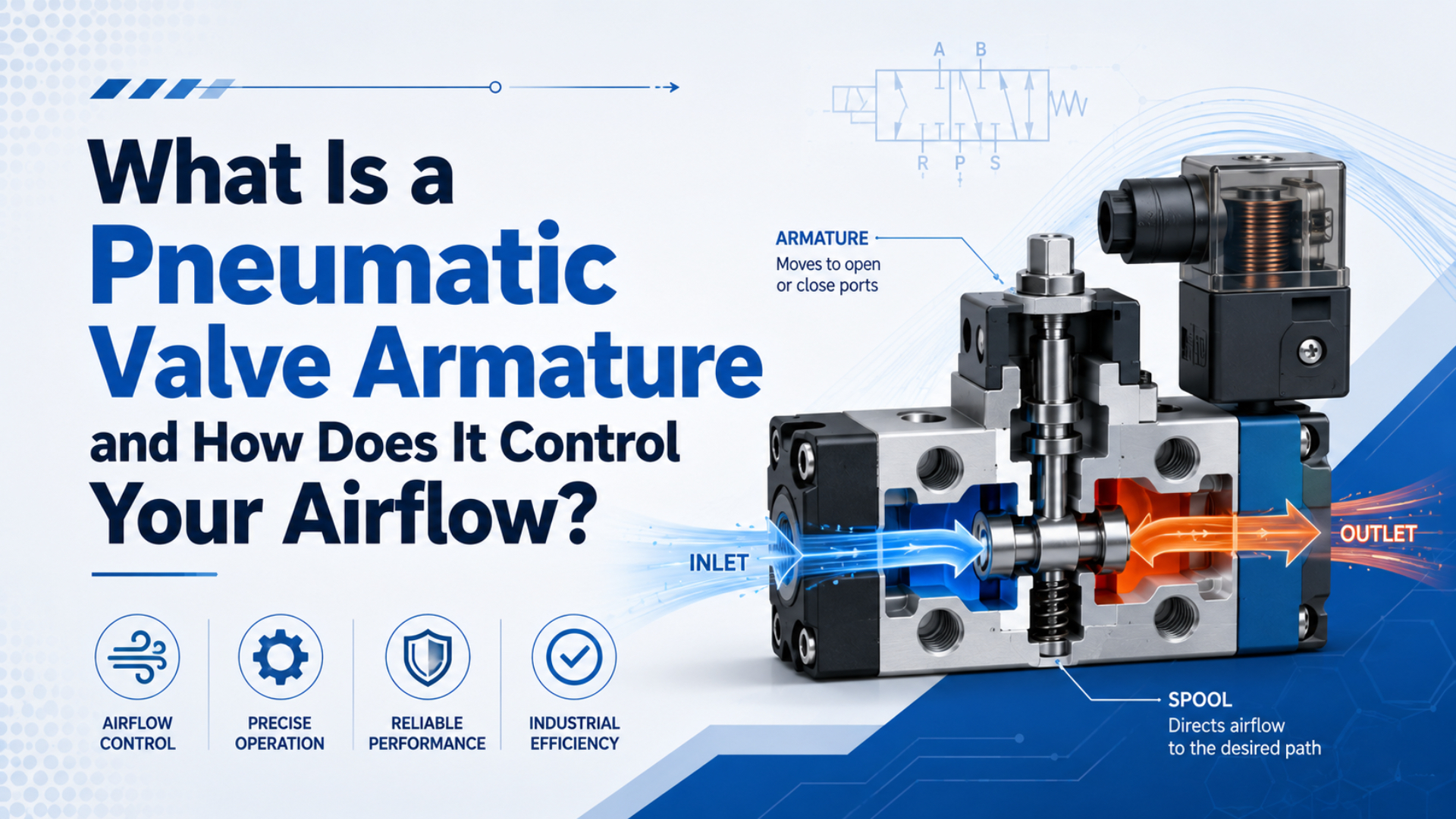
 What Is a Pneumatic Valve Armature and How Does It Control Your Airflow?Learn how three basic solenoid-valve components turn coil current into armature motion, pilot action, port switching, airflow, and practical fault diagnosis.
All Articles
Latest pneumatic selection notes
Use the newest Bepto Pneumatic articles to prepare better product questions, compare component options, and shorten technical review.
- What Is a Pneumatic Valve Armature and How Does It Control Your Airflow?Learn how three basic solenoid-valve components turn coil current into armature motion, pilot action, port switching, airflow, and practical fault diagnosis.
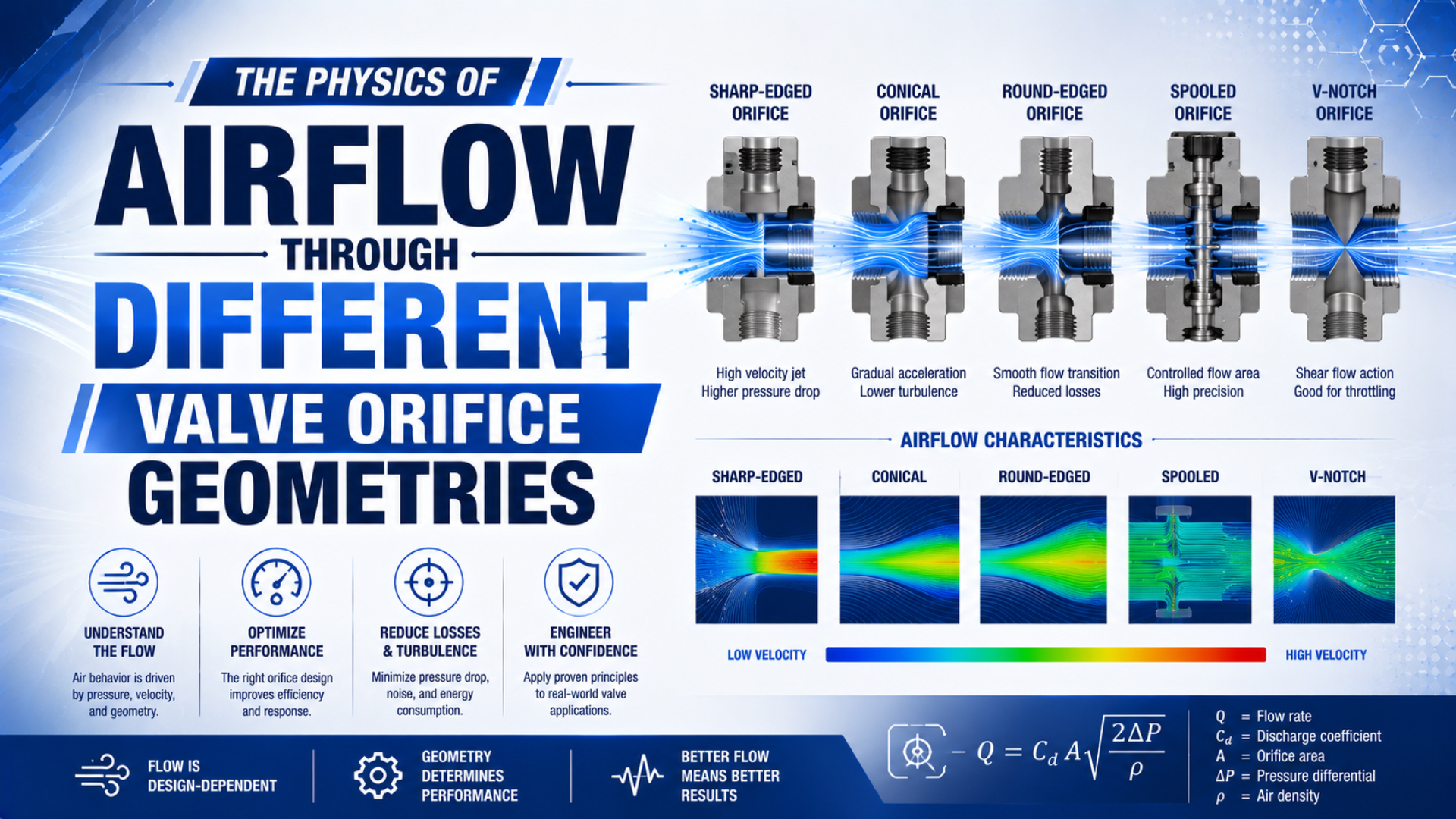 The Physics of Airflow Through Different Valve Orifice GeometriesLearn how 4 orifice geometries change separation, discharge coefficient, choking, and valve flow, with ISO 6358 data, equations, and inspection rules.
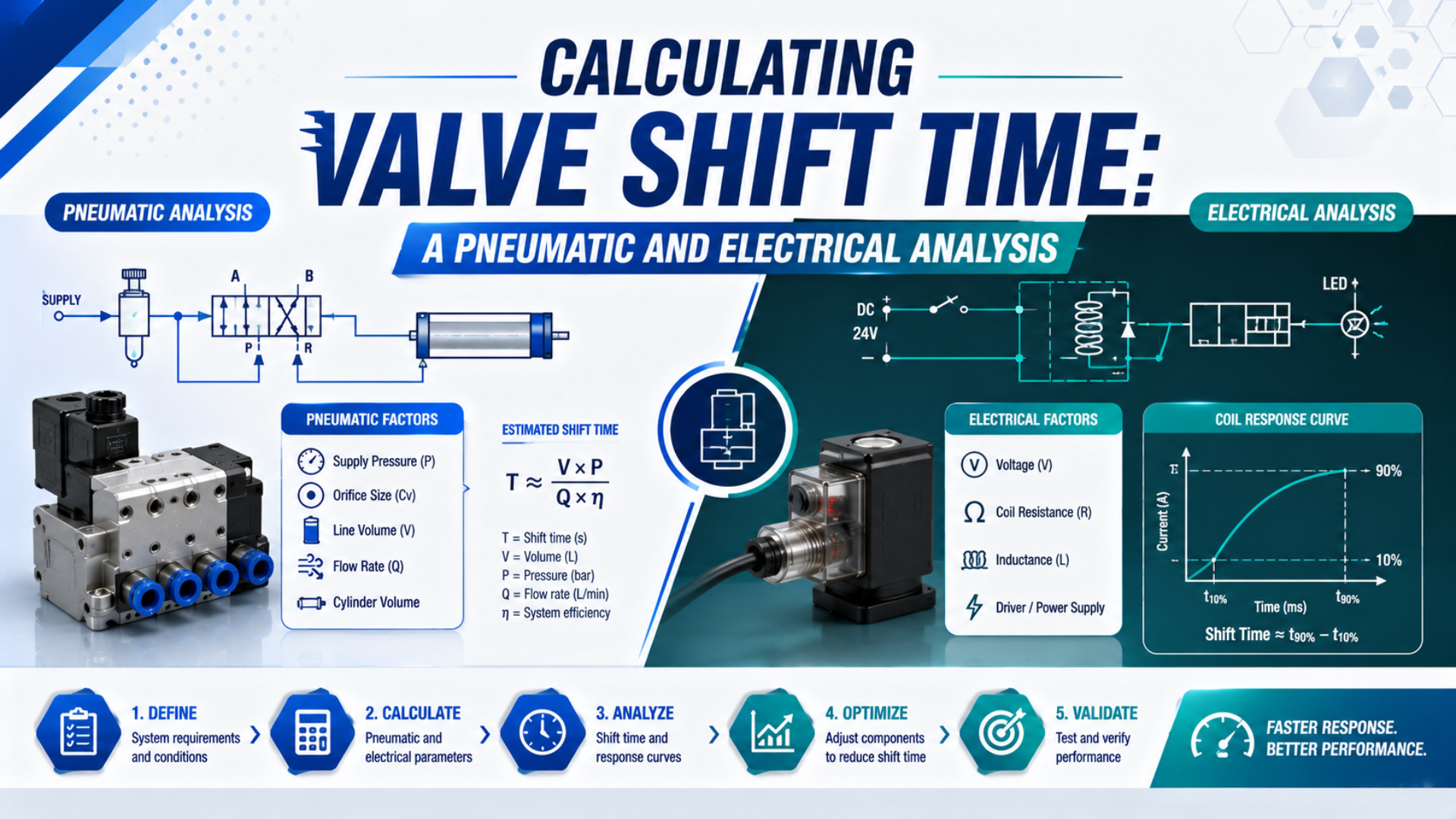 Calculating Valve Shift Time: A Pneumatic and Electrical AnalysisCalculate valve shift time with ISO 12238:2023, an electrical-mechanical-pneumatic budget, RL coil math, chamber-fill estimates, and validation steps.
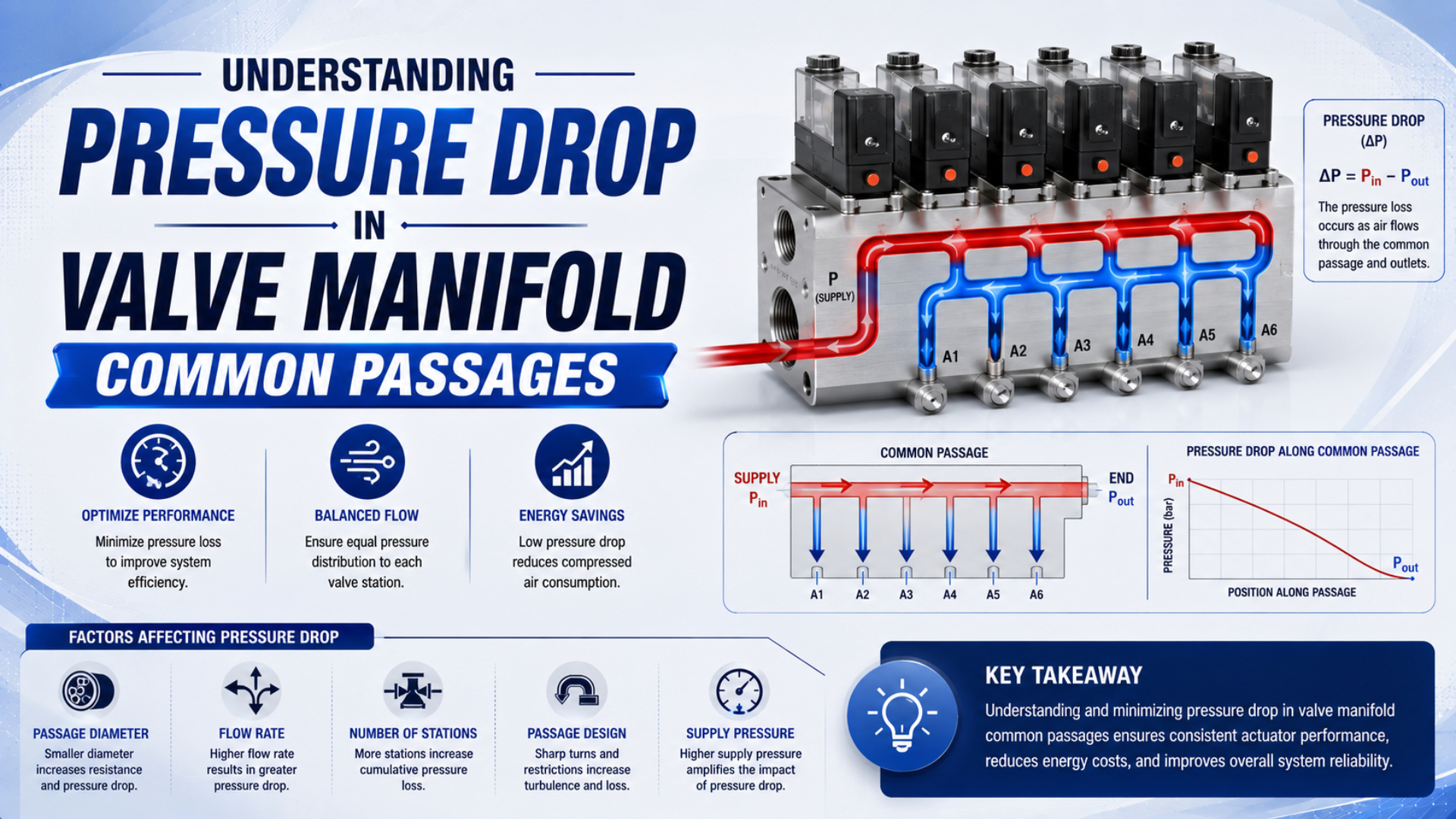 Understanding Pressure Drop in Valve Manifold Common PassagesUnderstand valve-manifold passage pressure drop using SMC's two-end supply rule above 4 stations, ISO 6358 data, dynamic tests, and pressure-zone design.
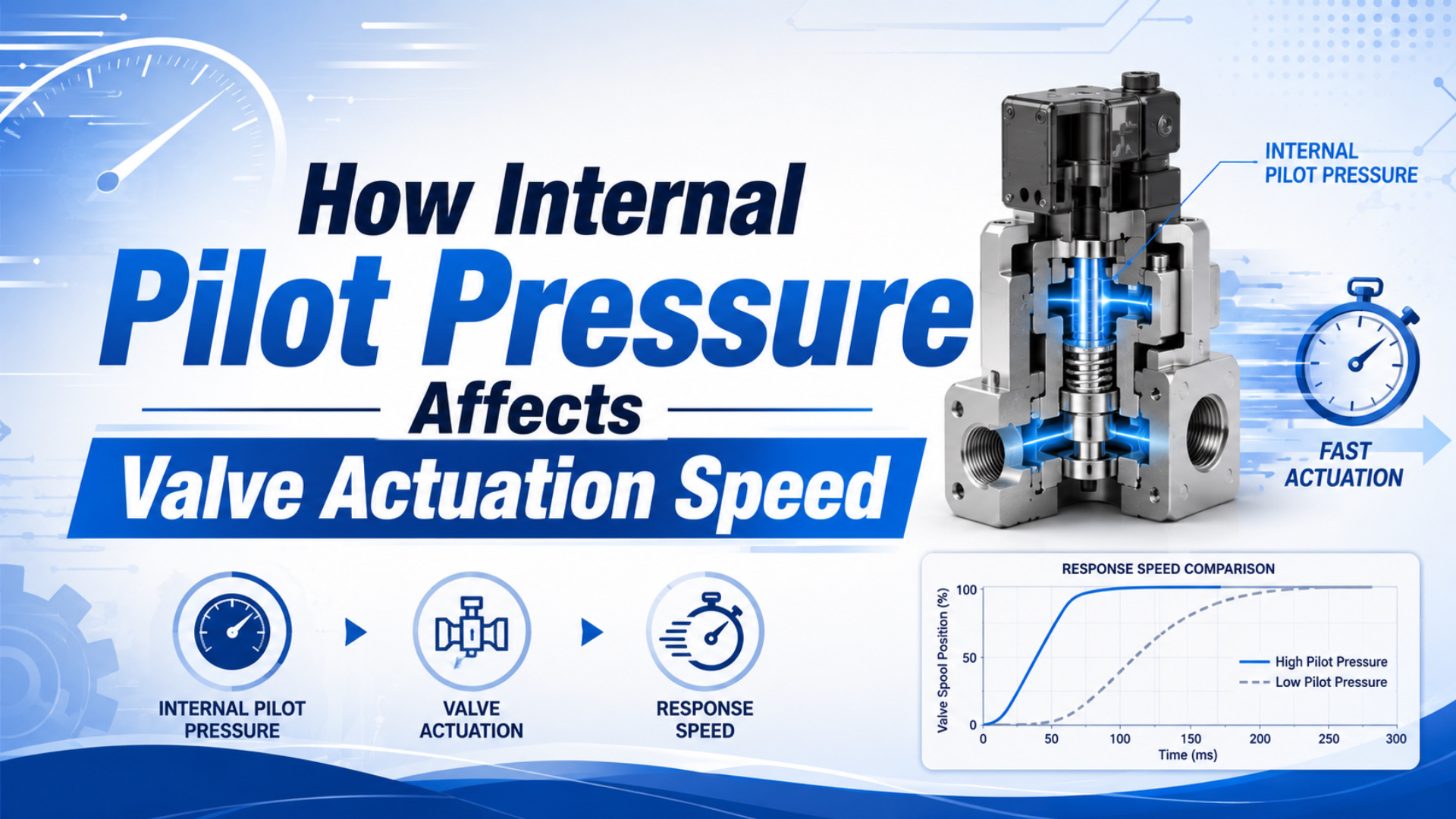 How Internal Pilot Pressure Affects Valve Actuation SpeedLearn how internal pilot pressure affects valve speed, why 0.15 MPa can be a model-specific minimum, and how to diagnose pressure, voltage, flow, and exhaust.
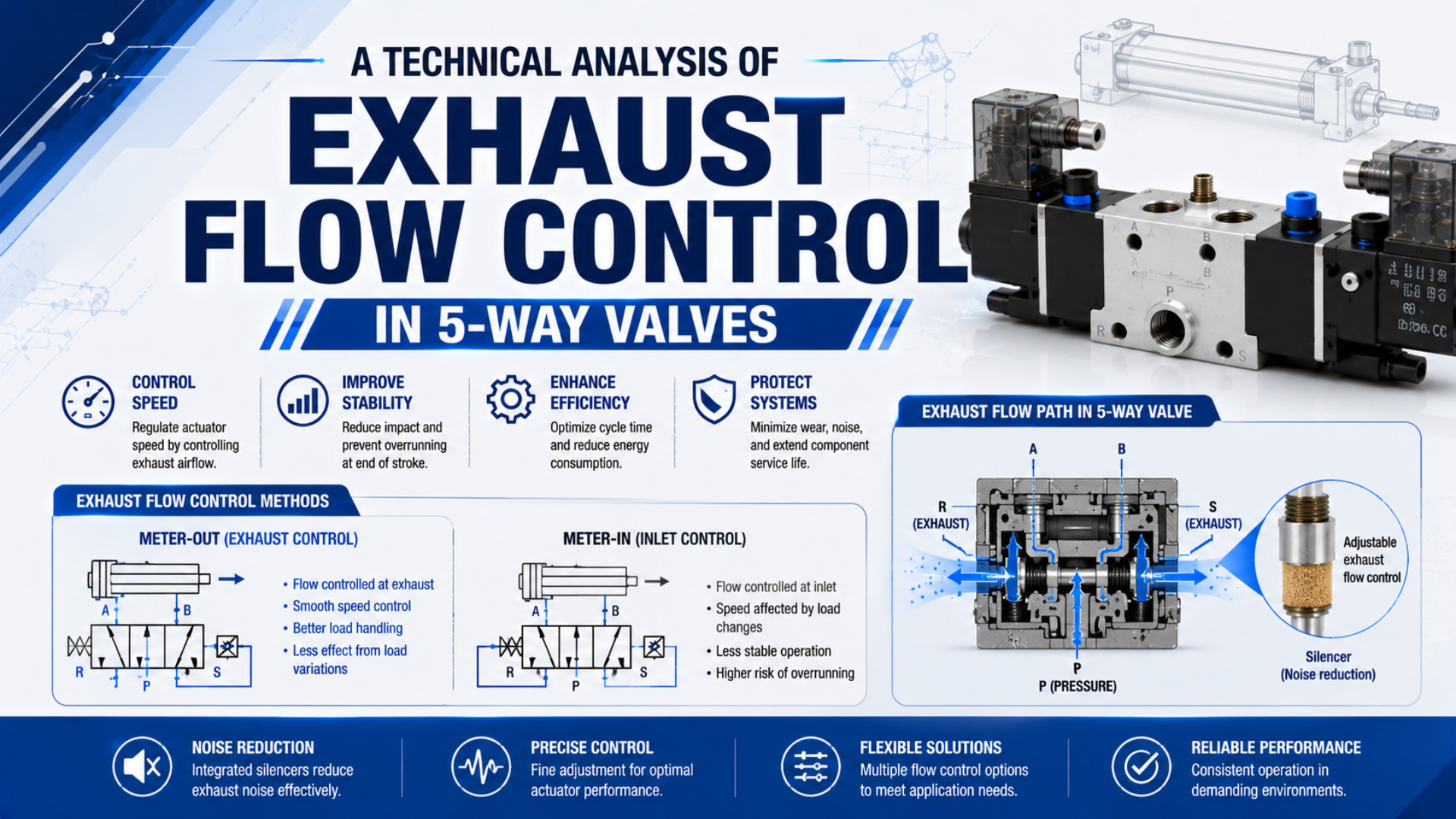 A Technical Analysis of Exhaust Flow Control in 5-Way ValvesAnalyze 5-way valve exhaust flow through ports 3 and 5, calculate back-pressure force loss, diagnose restrictions, and select meter-out or quick exhaust safely.
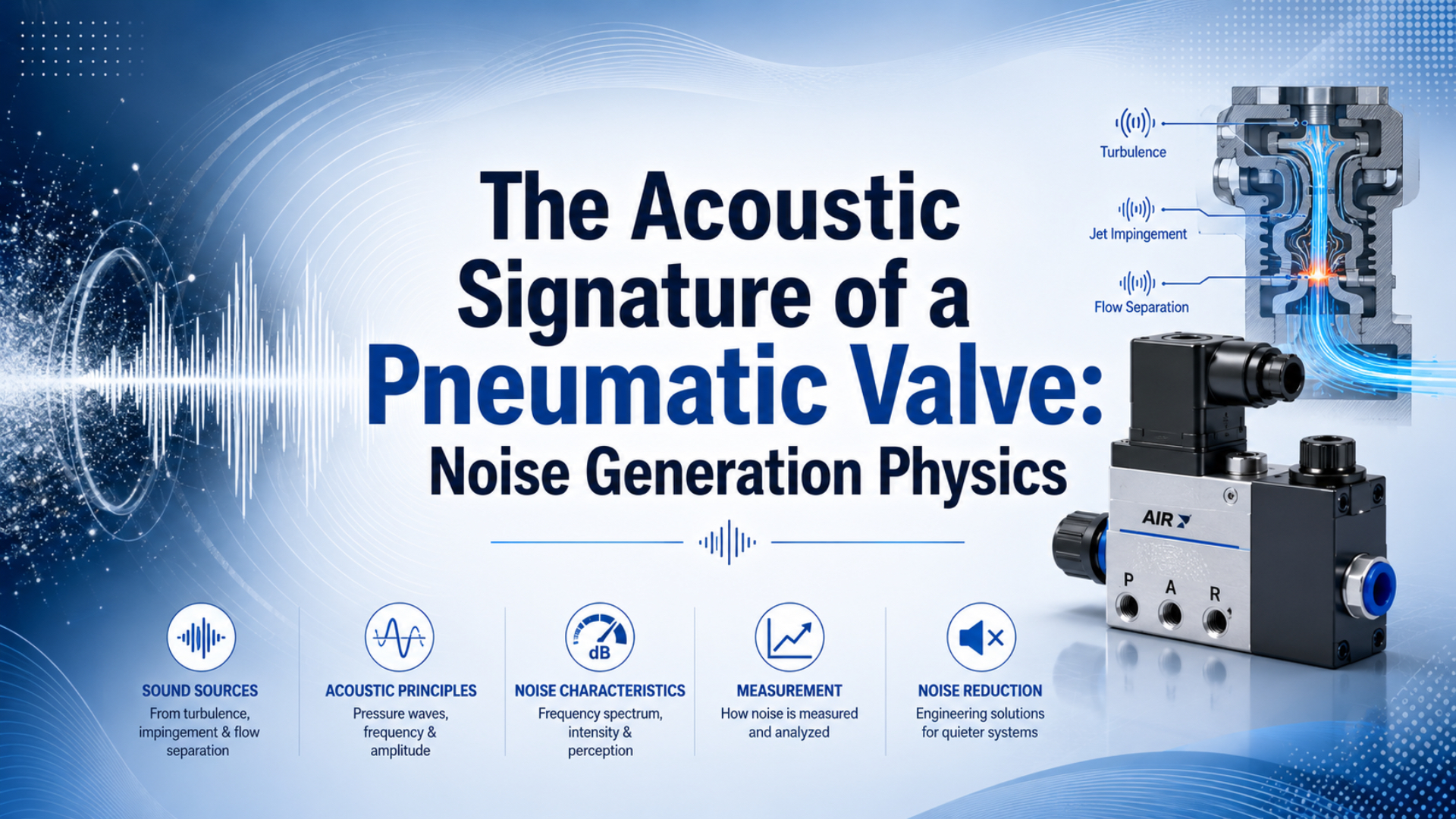 The Acoustic Signature of a Pneumatic Valve: Noise Generation PhysicsMeasure pneumatic valve noise using the 20 µPa dB reference, standardized microphone positions, synchronized pressure traces, and verified controls.
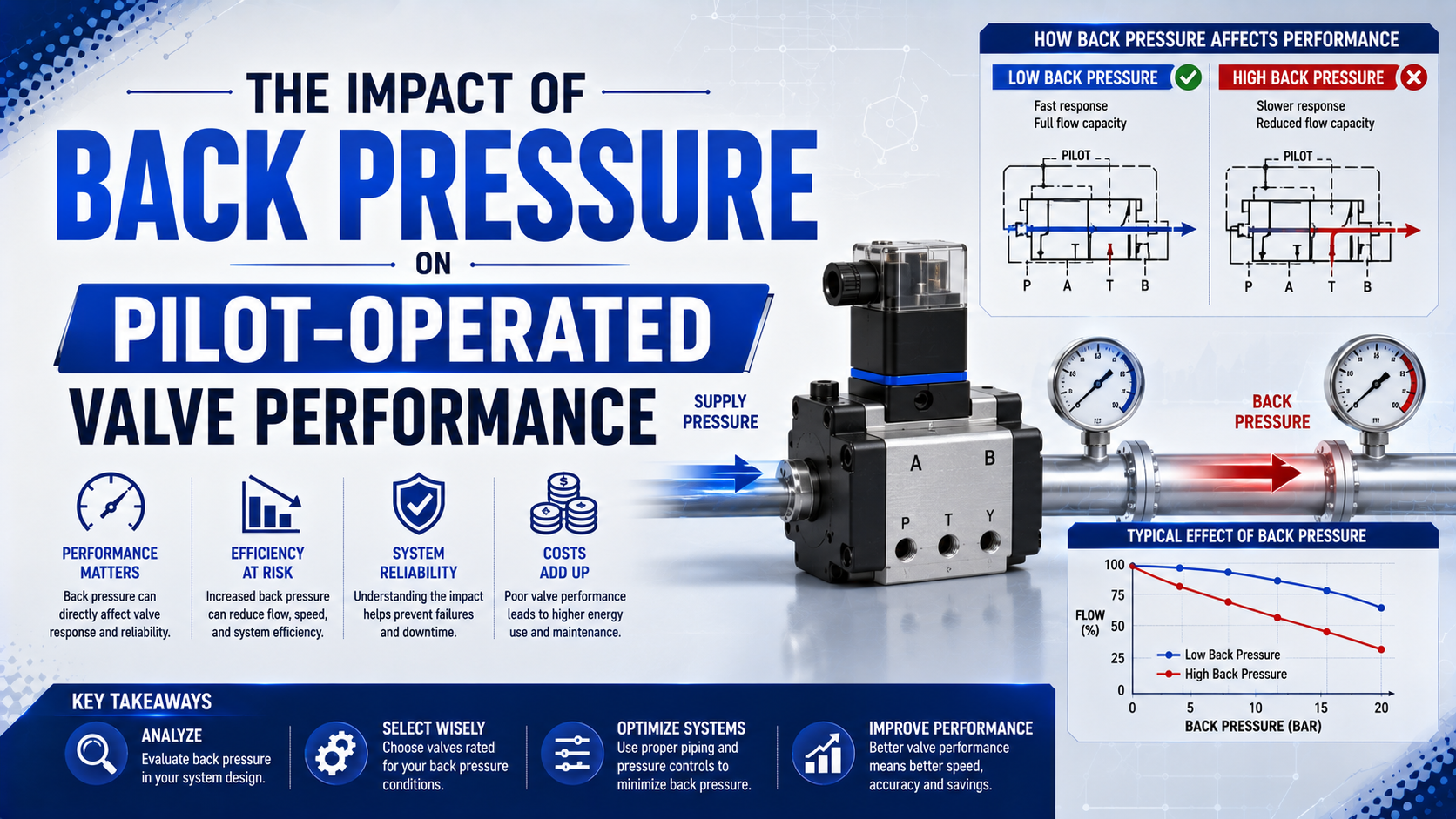 The Impact of Back Pressure on Pilot-Operated Valve PerformanceLearn why SMC specifies 0.15-0.7 MPa pilot pressure for one valve family, how back pressure reduces shift force, and how to test every control port safely.
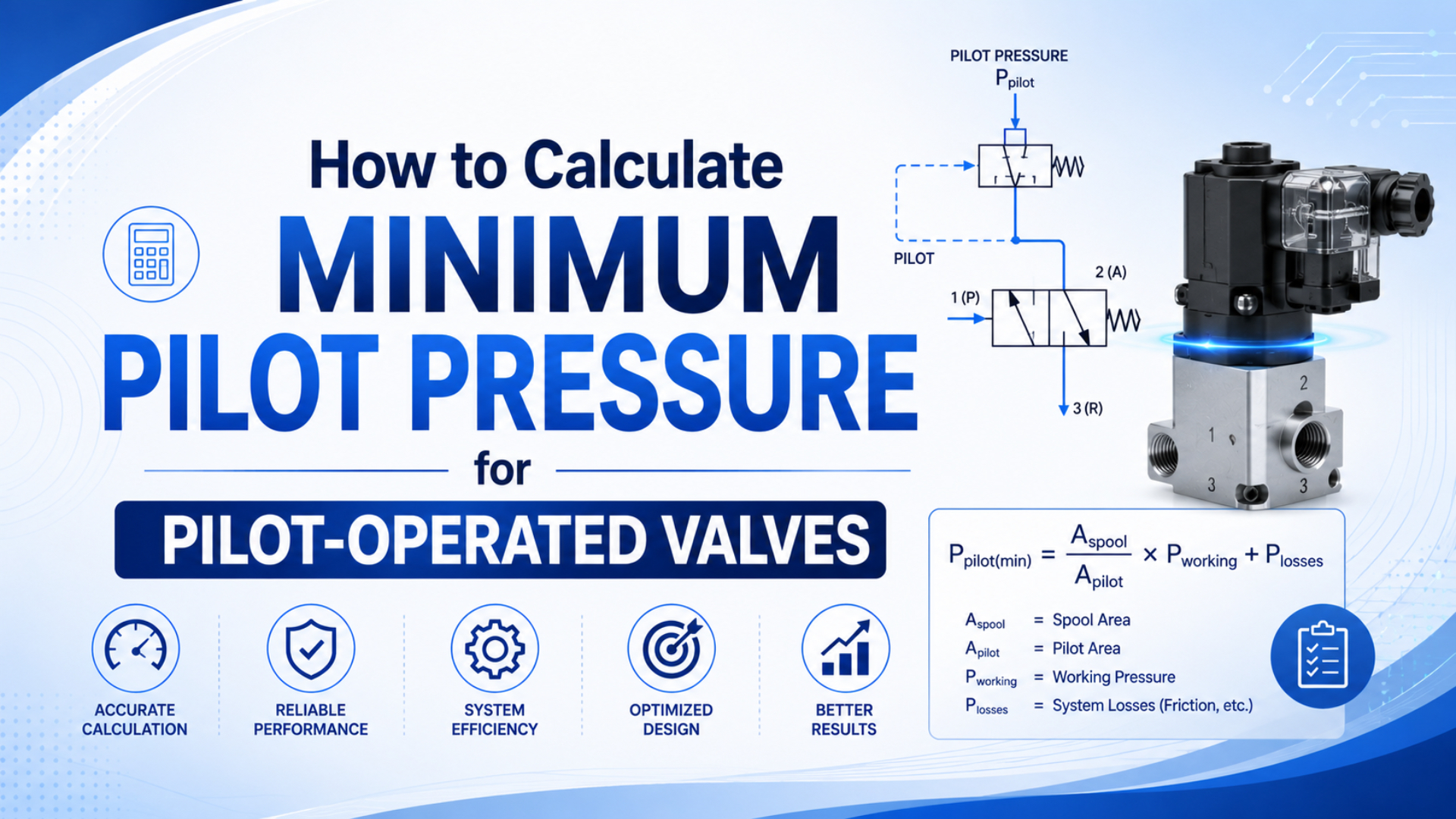 How to Calculate Minimum Pilot Pressure for Pilot-Operated ValvesCalculate minimum pilot pressure from valve architecture, datasheet limits, pilot-line losses, and dynamic tests using verified 0.1 to 0.2 MPa examples.