










 How Do Pneumatic Actuators Revolutionize Materials Testing Equipment Performance and Reliability?Use pneumatic actuators in materials testing fixtures with ASTM E4-24 force verification, ISO/IEC 17025 lab rules, CAGI 10% pressure-drop checks.
All Articles
Latest pneumatic selection notes
Use the newest Bepto Pneumatic articles to prepare better product questions, compare component options, and shorten technical review.
- How Do Pneumatic Actuators Revolutionize Materials Testing Equipment Performance and Reliability?Use pneumatic actuators in materials testing fixtures with ASTM E4-24 force verification, ISO/IEC 17025 lab rules, CAGI 10% pressure-drop checks.
 What Are the Different Types of Pneumatic Grippers and How Do They Transform Industrial Automation?Choose pneumatic gripper types with SMC 2-, 3-, and 4-finger families, grip-force math, CAGI 10% pressure-drop guidance, tooling, and RFQ checks.
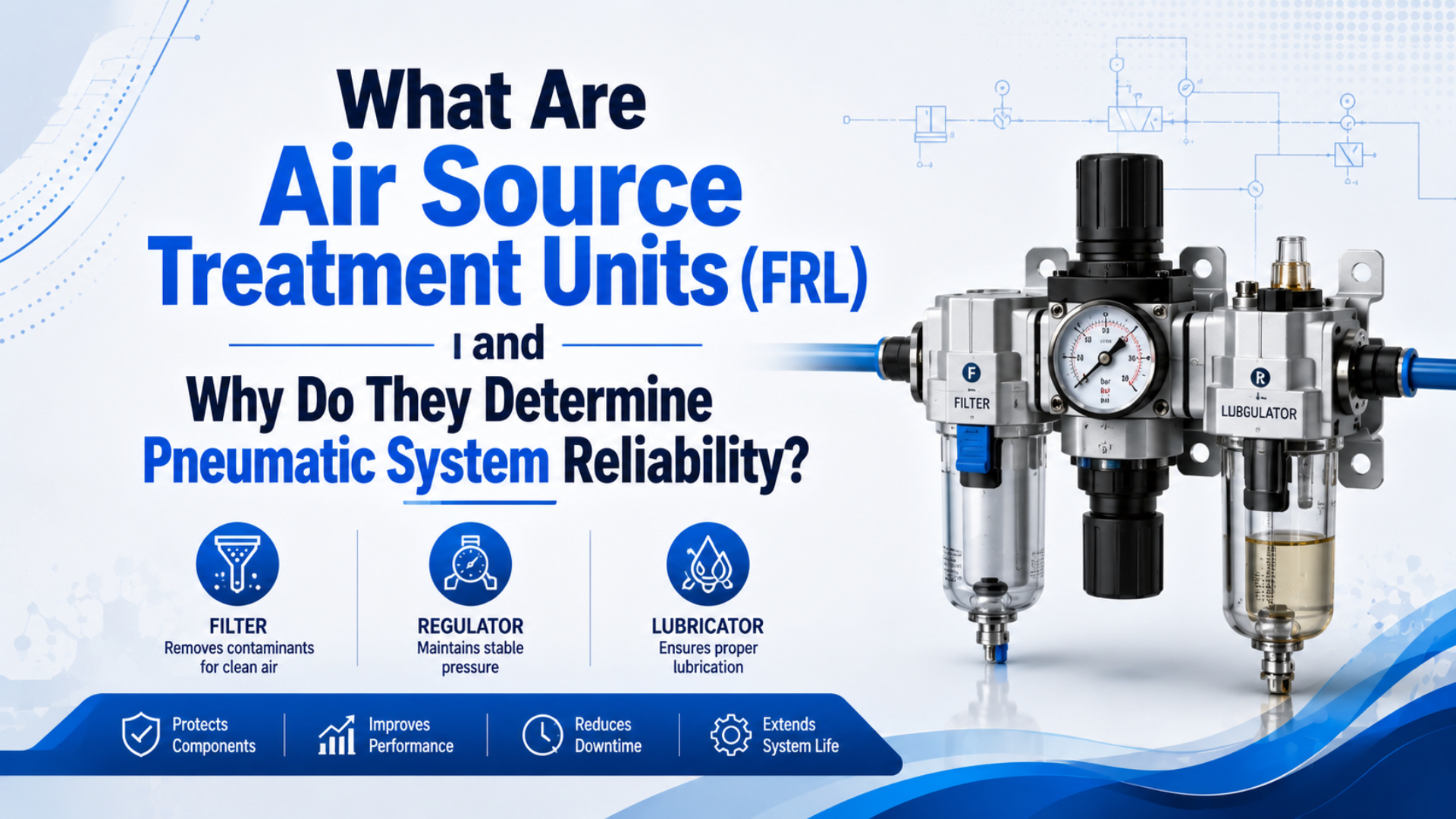 What Are Air Source Treatment Units (FRL) and Why Do They Determine Pneumatic System Reliability?Choose FRL air source treatment units using ISO 8573-1, CAGI 10% pressure-drop target, 5-7 psig filter-change rule, Cv checks, and maintenance.
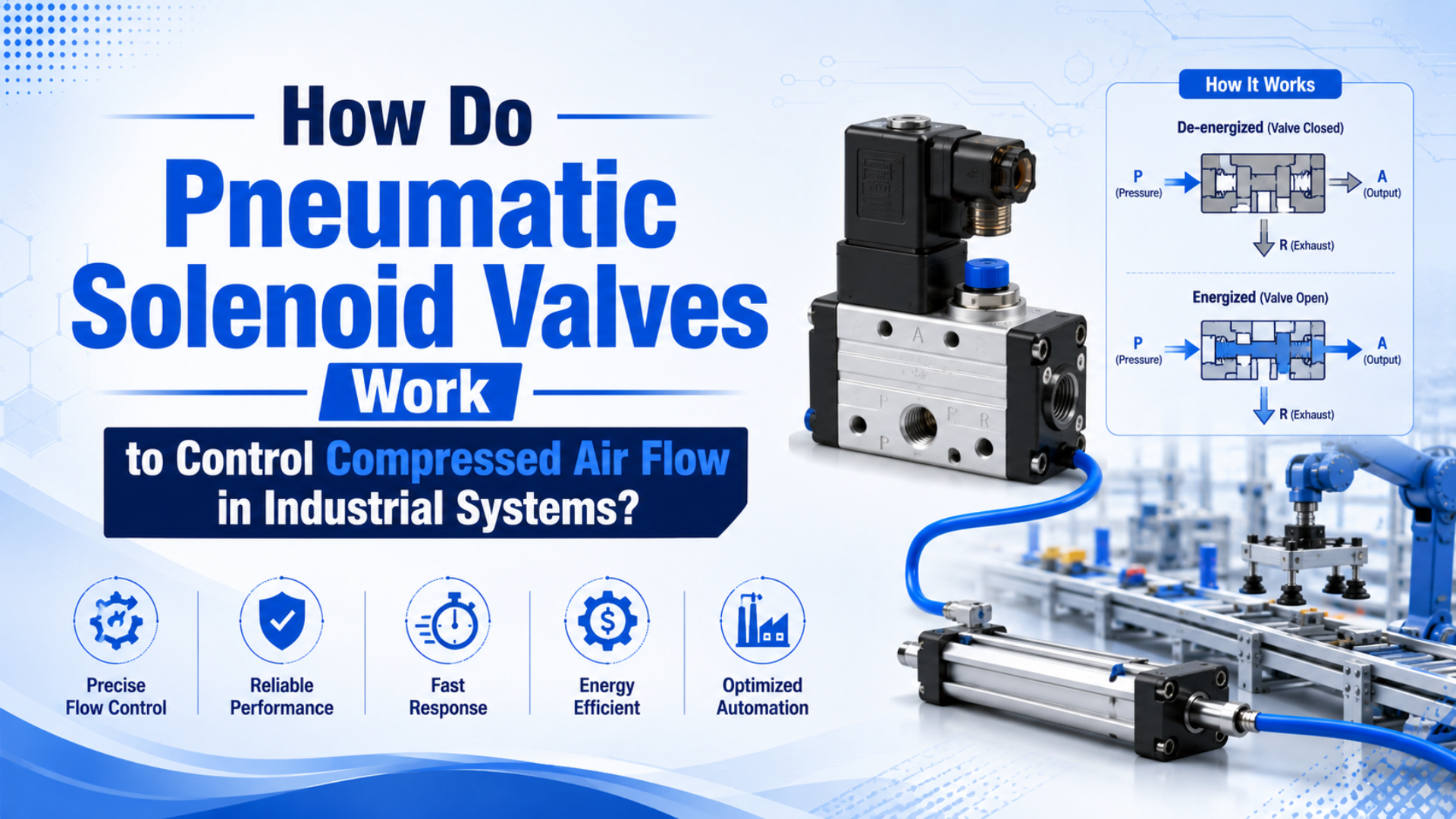 How Do Pneumatic Solenoid Valves Work to Control Compressed Air Flow in Industrial Systems?Learn how pneumatic solenoid valves control compressed air with 3/2 and 5/2 ports, pilot operation, Cv checks, and CAGI's 10% pressure-drop rule.
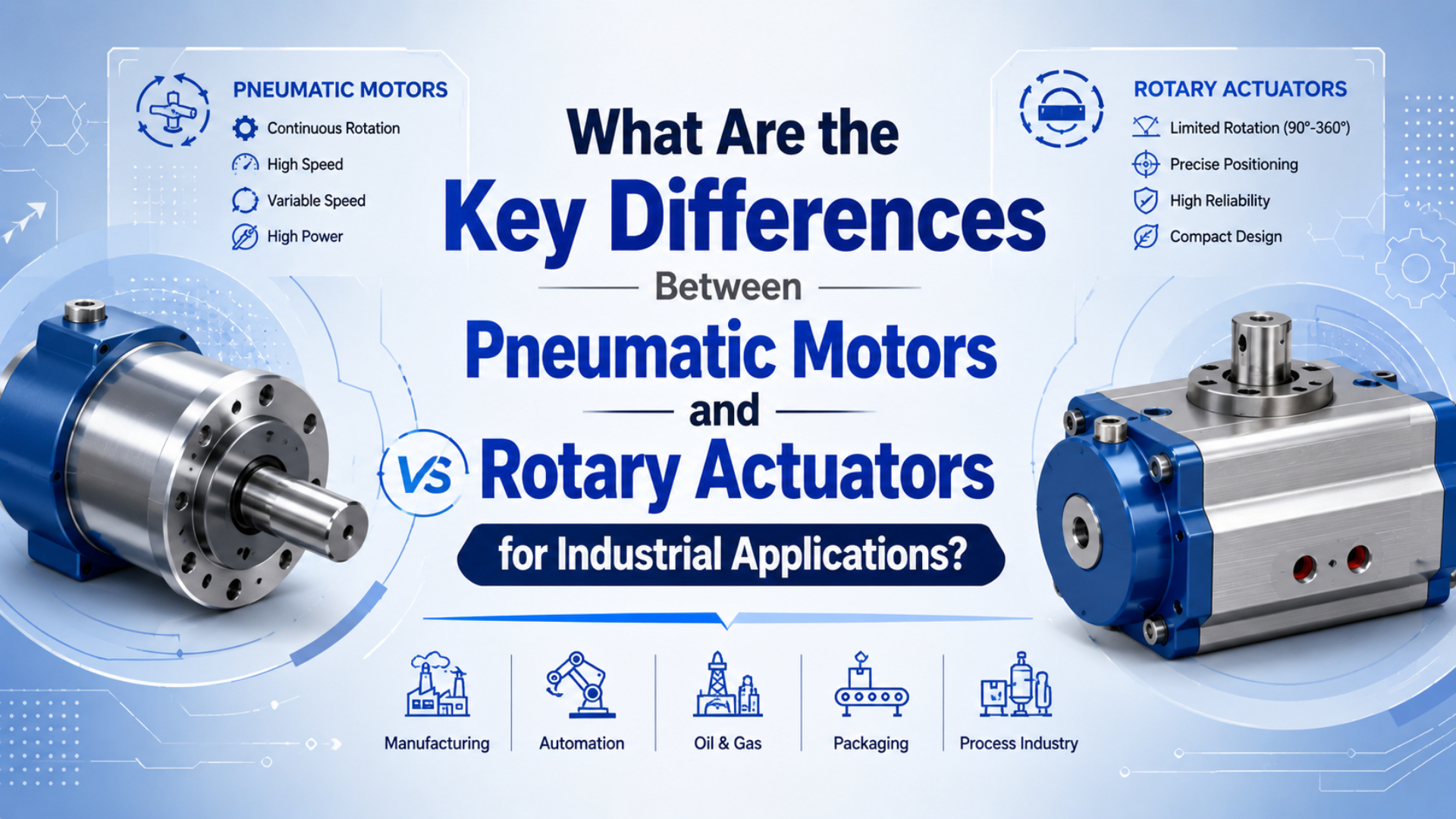 What Are the Key Differences Between Pneumatic Motors and Rotary Actuators for Industrial Applications?Compare pneumatic motors and rotary actuators using SMC 90-270 deg actuator arcs, Gast 10000+ rpm motor classes, torque checks, and RFQ data.
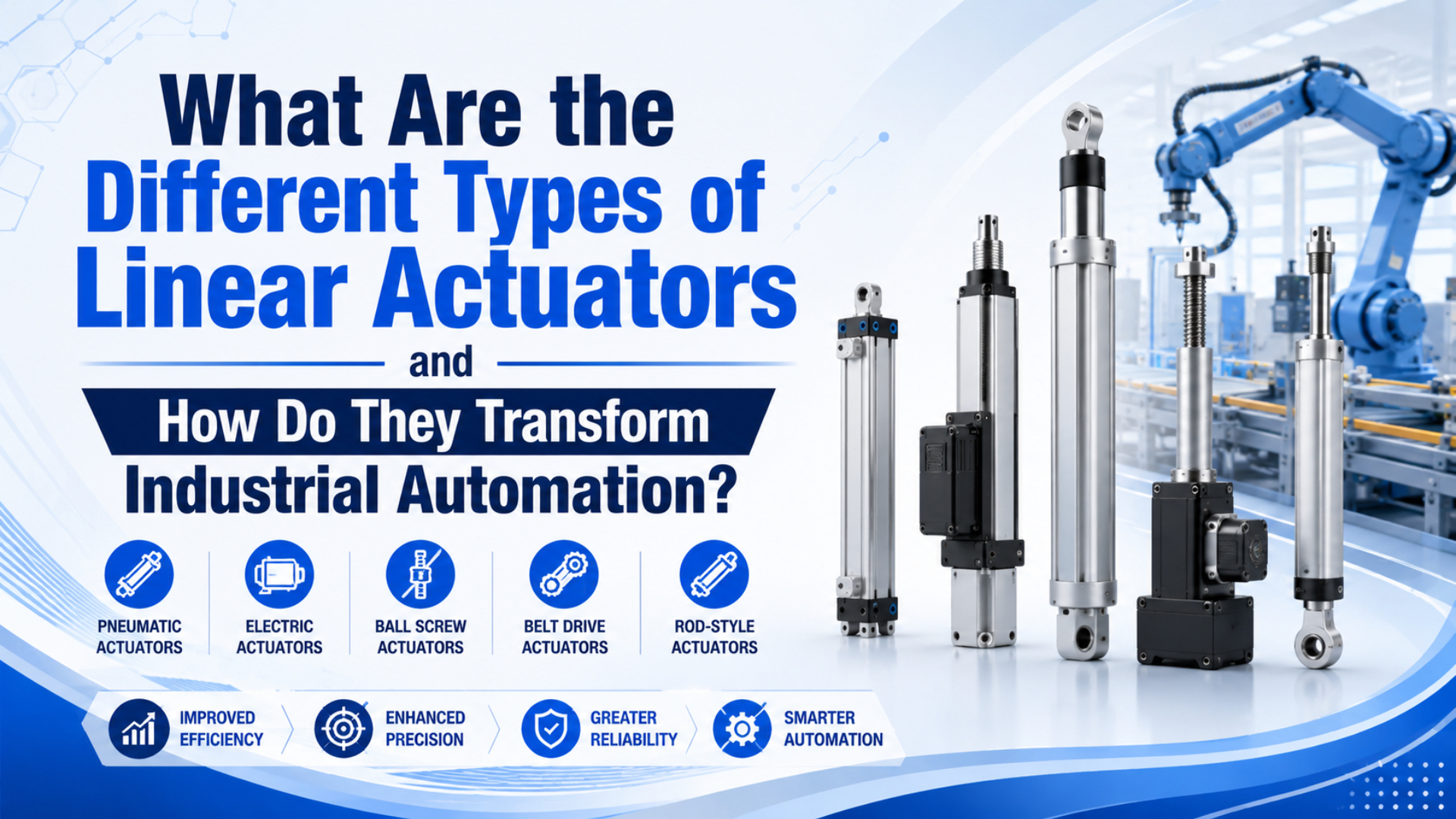 What Are the Different Types of Linear Actuators and How Do They Transform Industrial Automation?Compare 6 linear actuator types with ISO 15552 10 bar cylinder data, Parker 6000 mm rodless strokes, electric screw/belt axes, and RFQ checks for sizing.
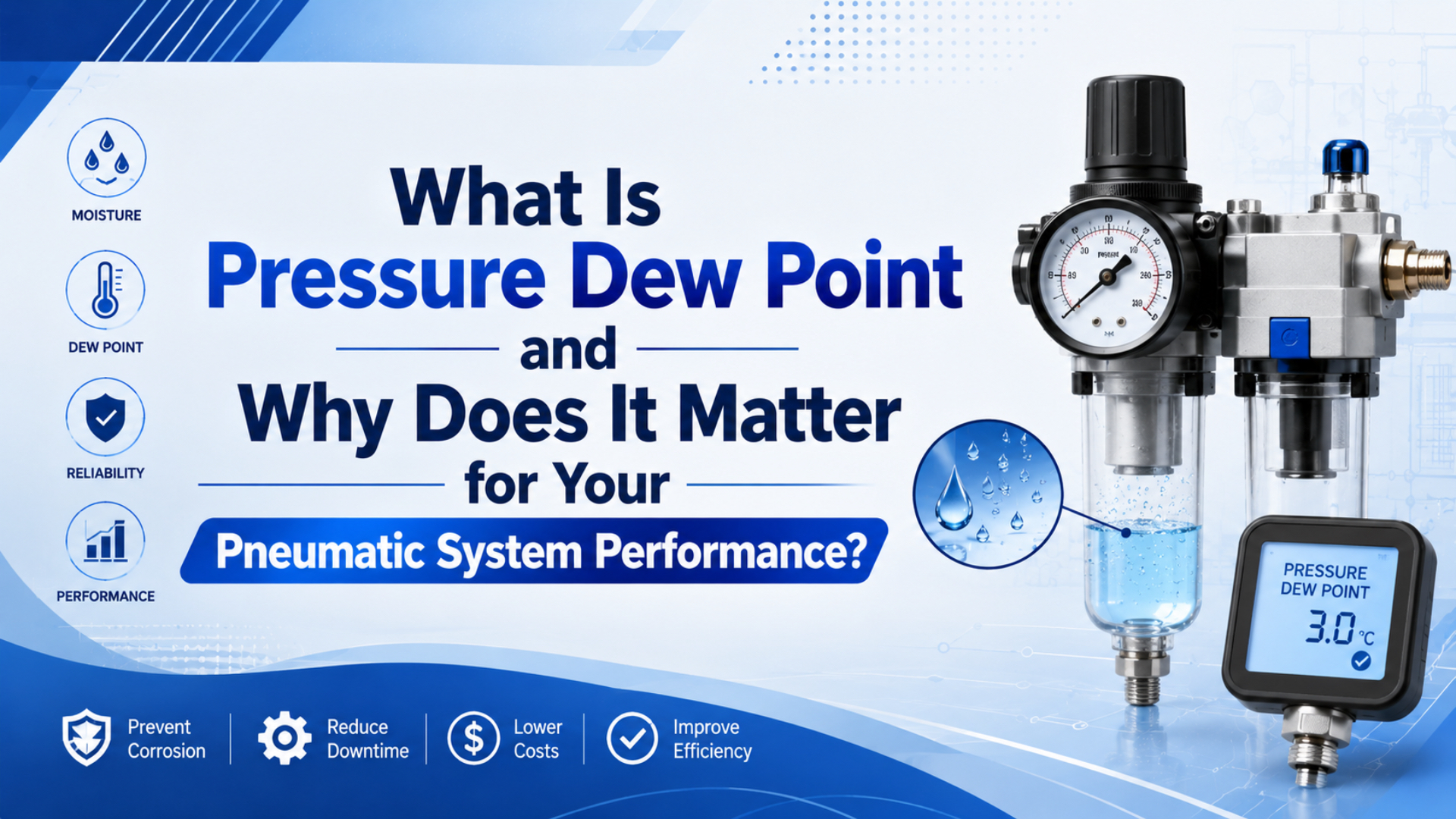 What Is Pressure Dew Point and Why Does It Matter for Your Pneumatic System Performance?Set pressure dew point with ISO 8573-1, CAGI 10% pressure-drop limits, dryer selection, point-of-use testing, and corrosion prevention for pneumatic systems.
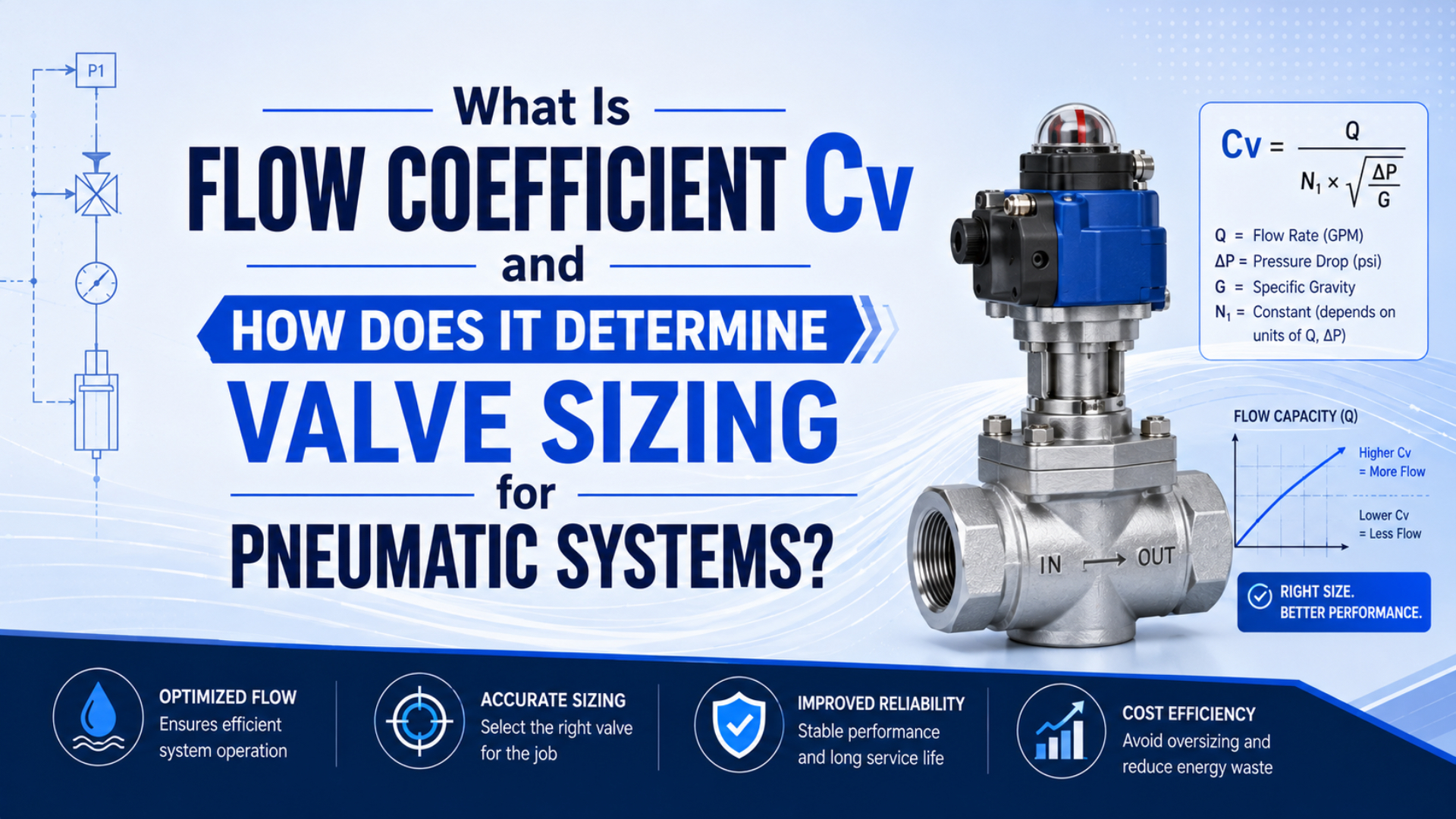 What Is Flow Coefficient Cv and How Does It Determine Valve Sizing for Pneumatic Systems?Size pneumatic valves with Cv, Kv, ISO 6358, Parker stroke-time checks, CAGI pressure-drop limits, and practical RFQ rules for actuator flow.
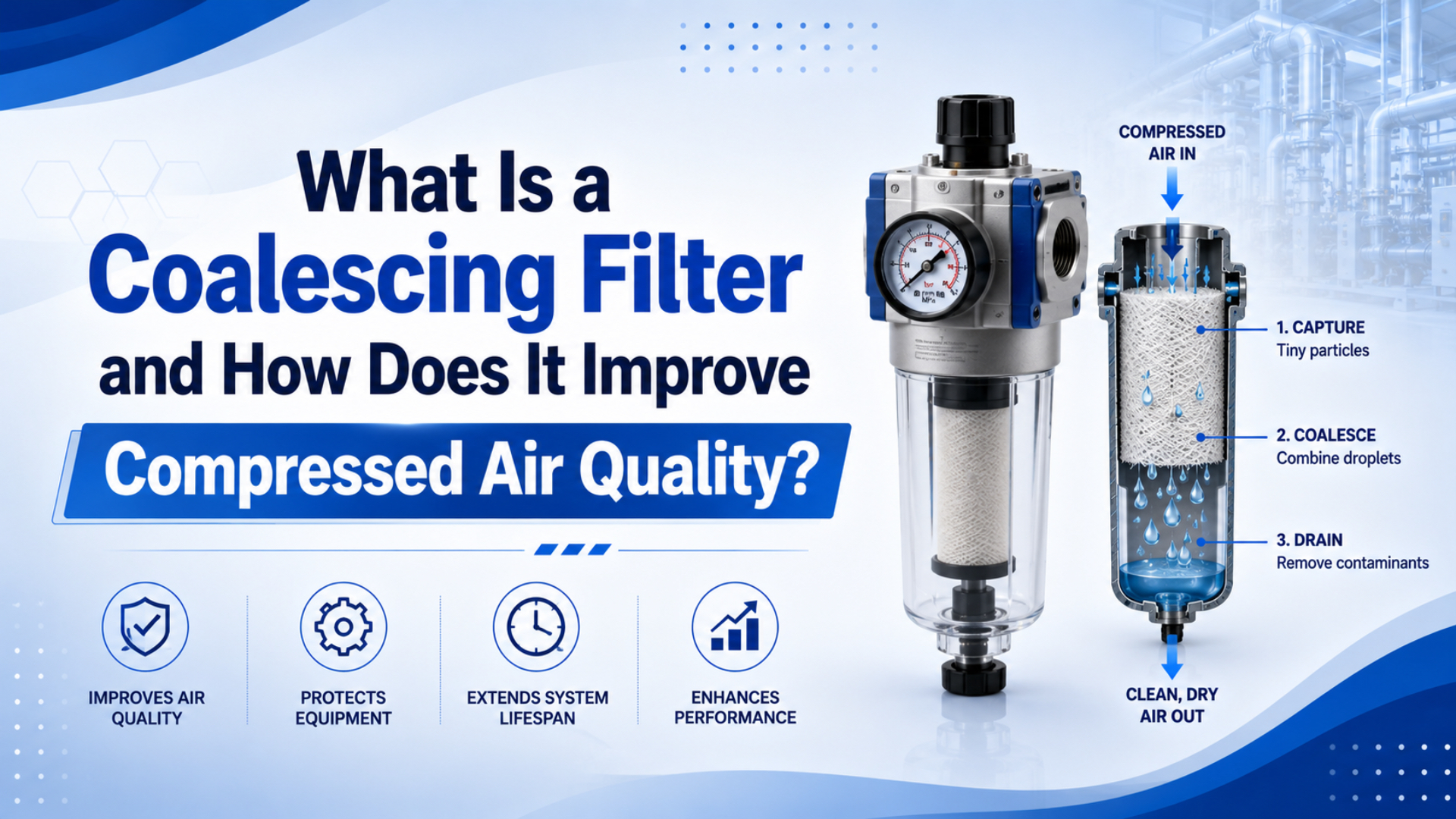 What Is a Coalescing Filter and How Does It Improve Compressed Air Quality?Use coalescing filters to control oil aerosol and liquid droplets, set ISO 8573-1 air quality targets, and avoid CAGI's 10% pressure-drop limit.