










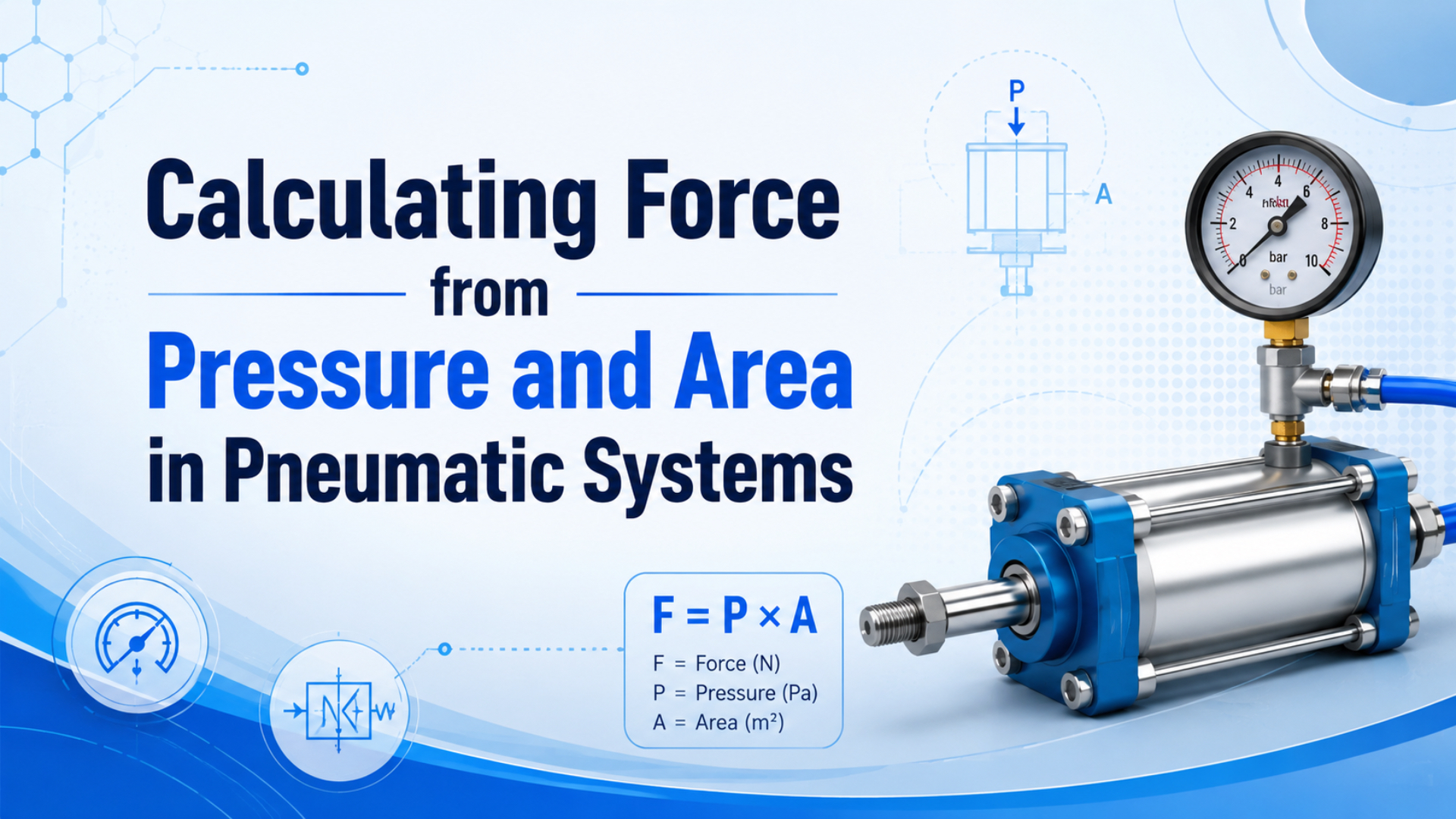
 Calculating Force from Pressure and Area in Pneumatic SystemsCalculate pneumatic cylinder force with 4 in bore at 100 psi = 1,257 lbf, rod-side area, pressure loss, and practical bore sizing checks.
All Articles
Latest pneumatic selection notes
Use the newest Bepto Pneumatic articles to prepare better product questions, compare component options, and shorten technical review.
- Calculating Force from Pressure and Area in Pneumatic SystemsCalculate pneumatic cylinder force with 4 in bore at 100 psi = 1,257 lbf, rod-side area, pressure loss, and practical bore sizing checks.
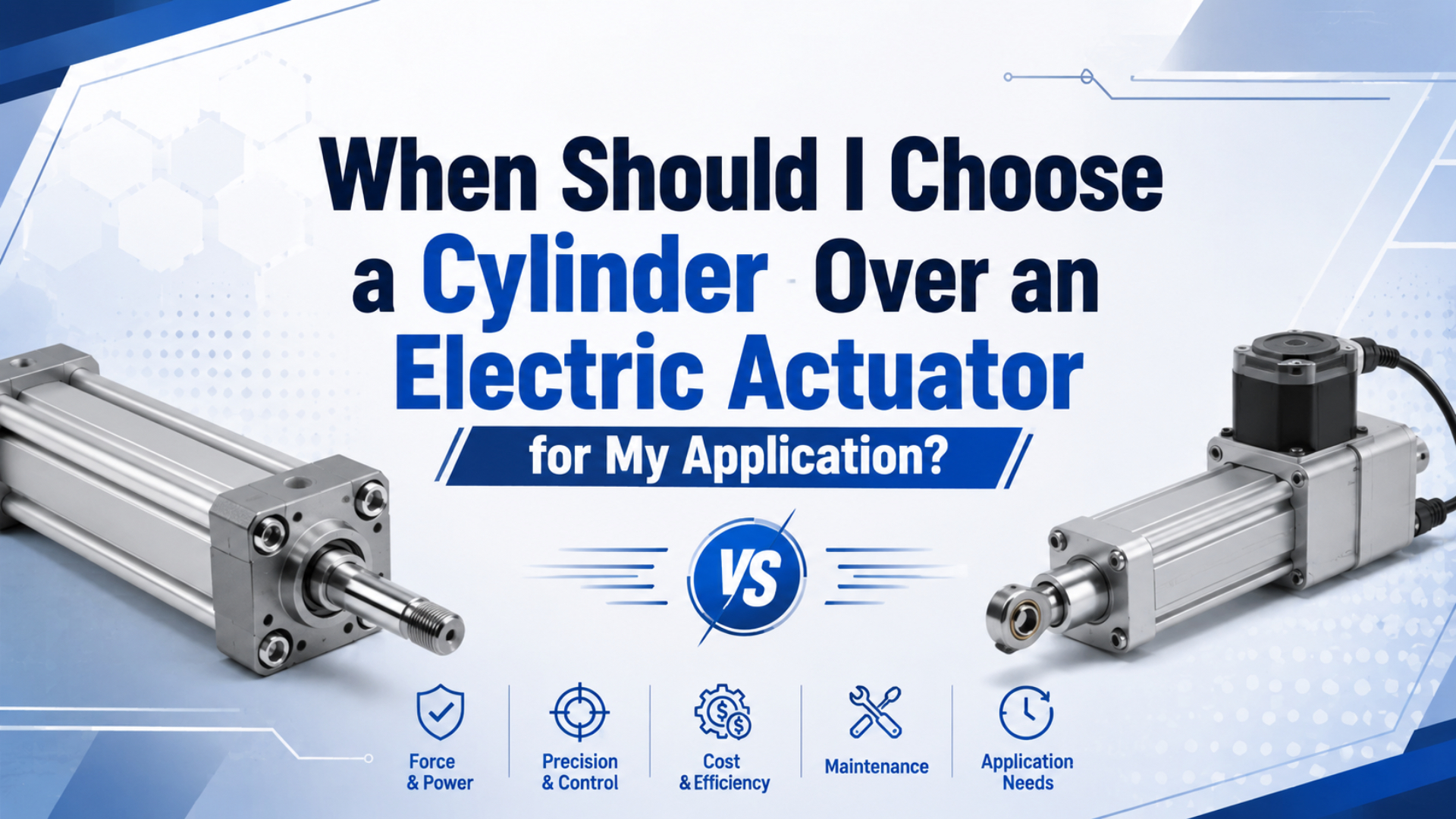 When Should I Choose a Cylinder Over an Electric Actuator for My Application?Choose cylinders over electric actuators when 10 bar ISO 15552 motion, two end stops, plant air, speed, force, and hazardous-area checks fit the axis.
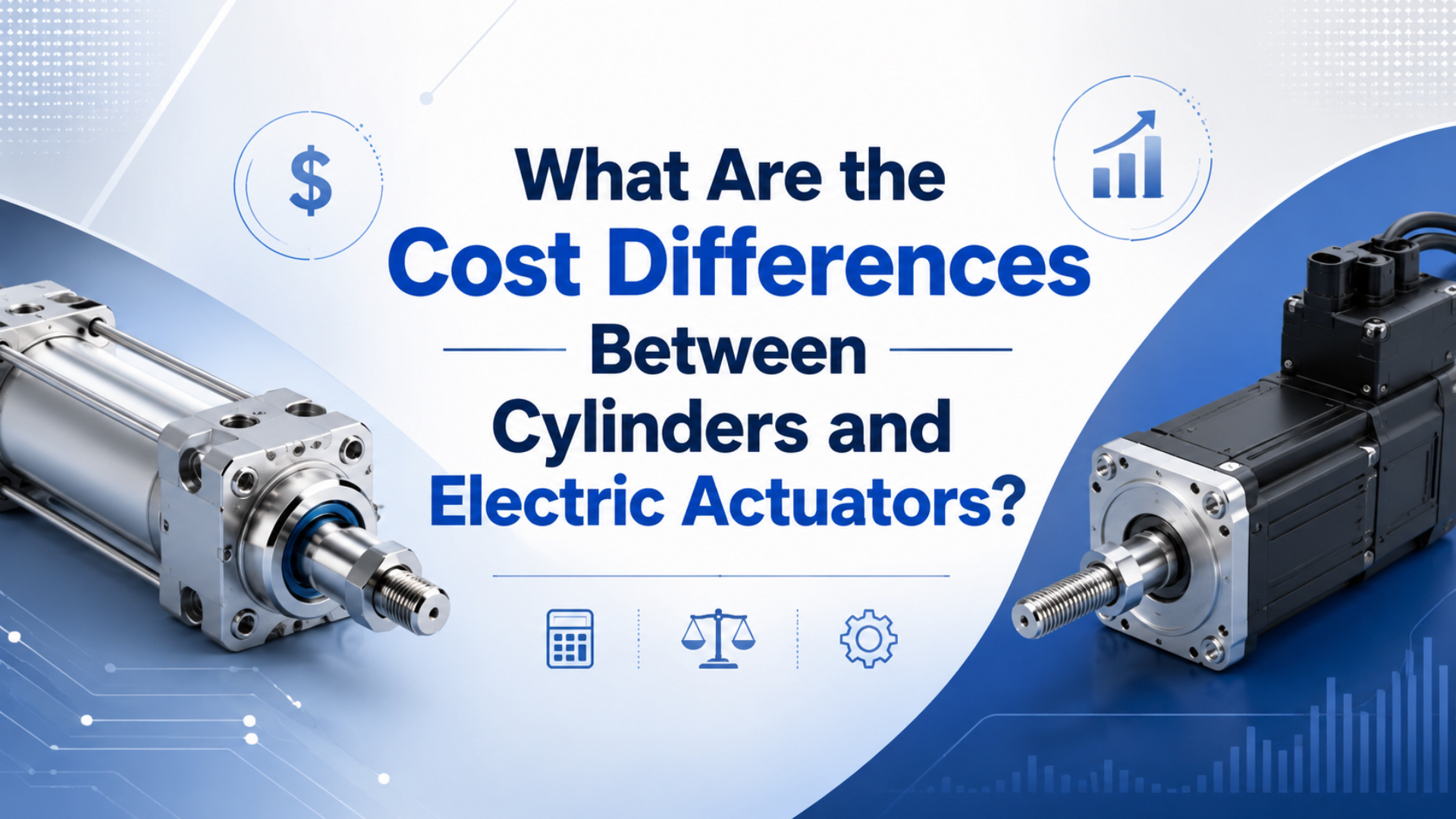 What Are the Cost Differences Between Cylinders and Electric Actuators?Compare cylinder vs electric actuator costs with Tolomatic TCO, DOE 20-30% air-leak loss, CAGI 10% pressure-drop target, RFQ checks, and energy tools.
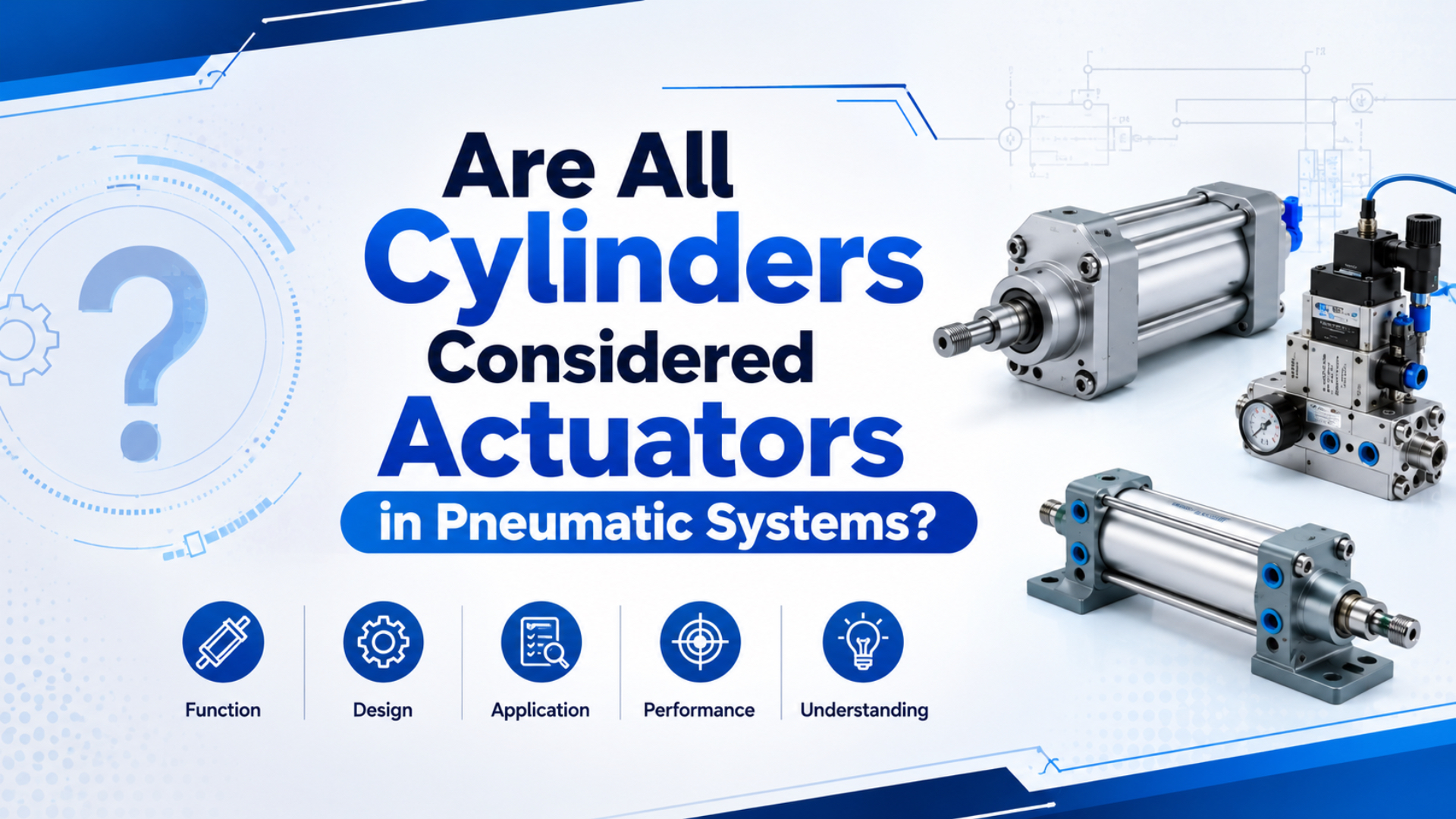 Are All Cylinders Considered Actuators in Pneumatic Systems?Yes, pneumatic cylinders are actuators. ISO 15552 covers 10 bar cylinders, while AutomationDirect confirms pneumatic actuator wording for accurate RFQs.
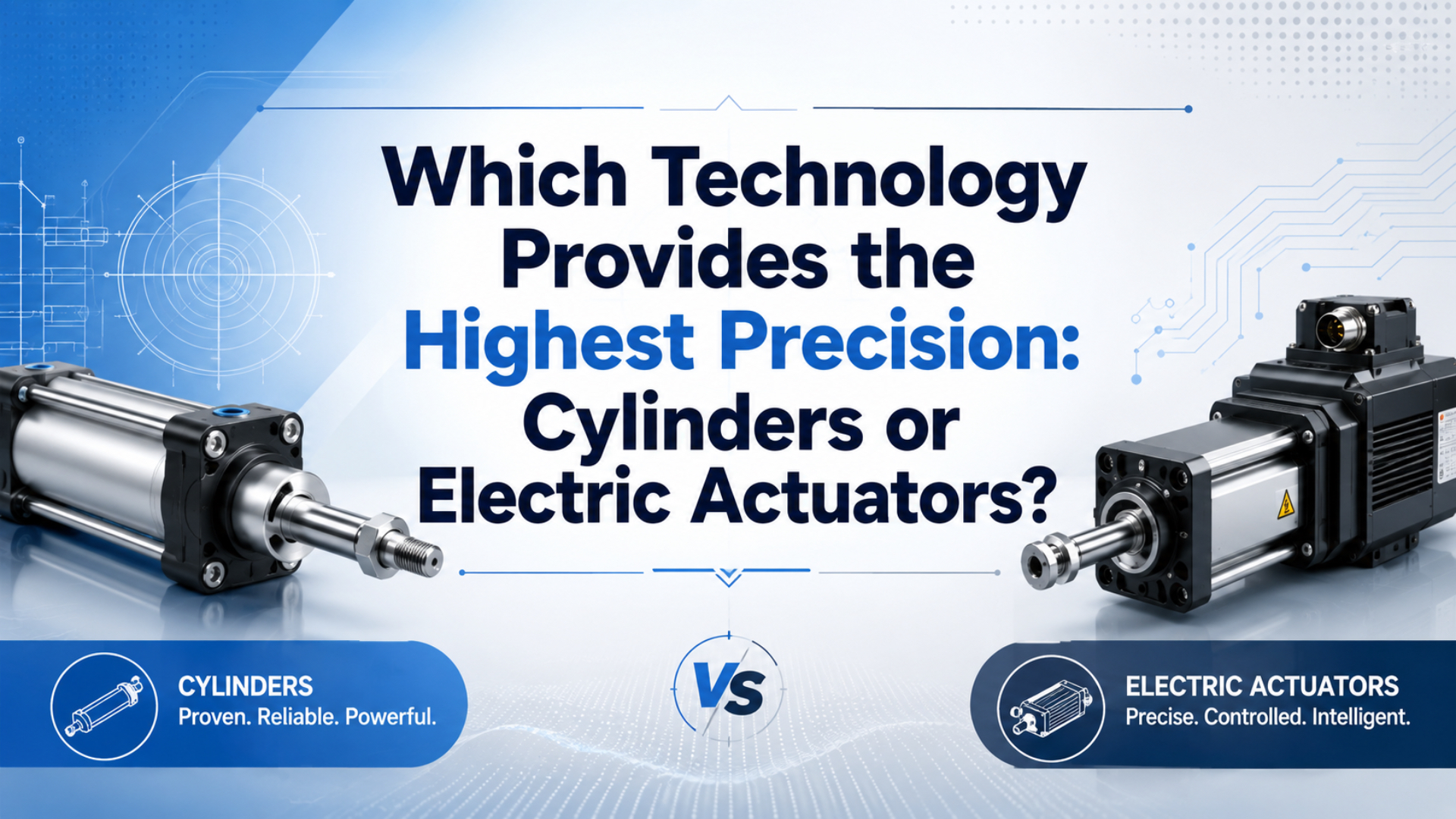 Which Technology Provides the Highest Precision: Cylinders or Electric Actuators?Compare cylinder and electric actuator precision using Festo, NIST, ISO 15552, Tolomatic, and CAGI sources. Audit accuracy, repeatability, TCO, and control.
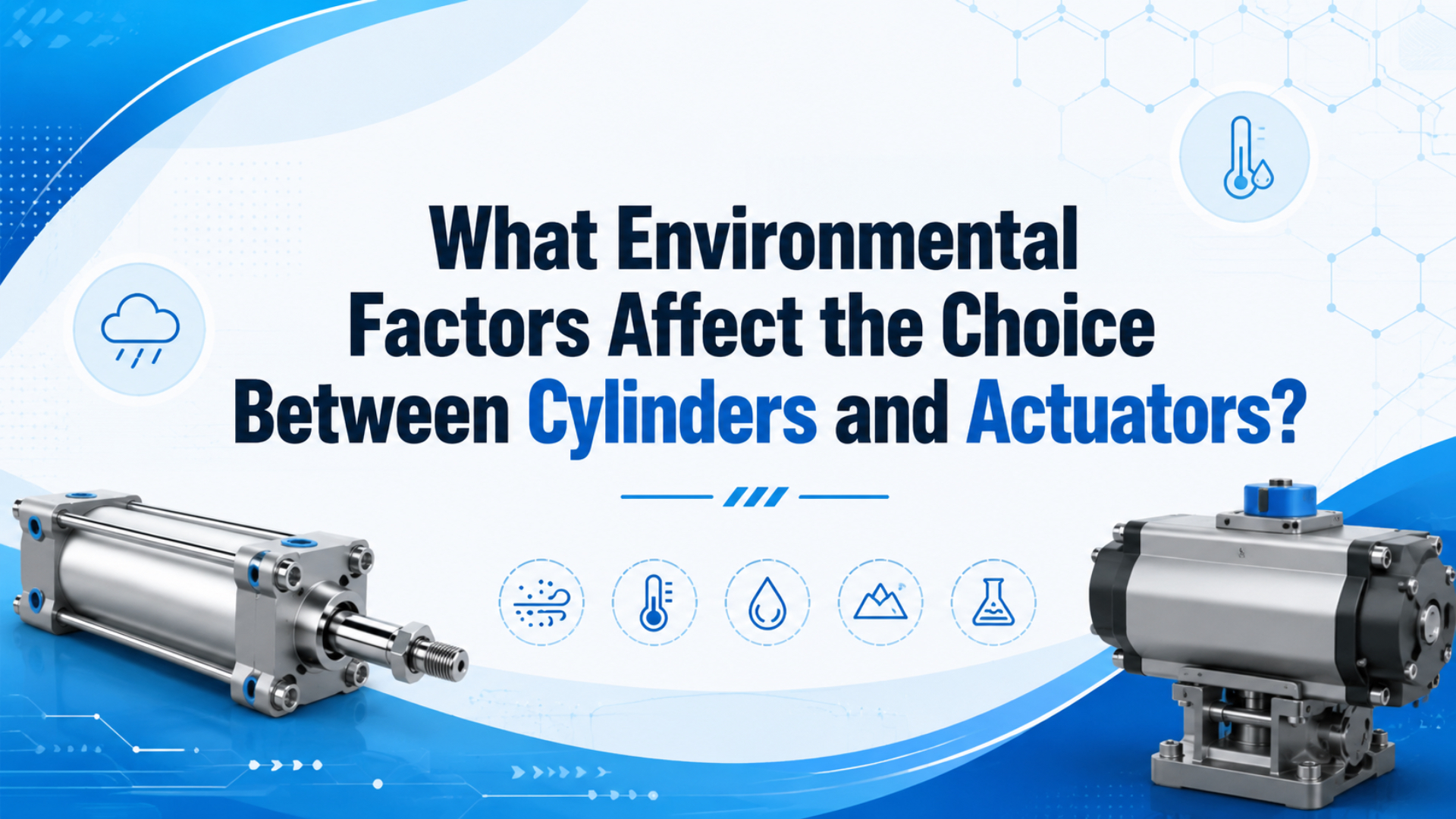 What Environmental Factors Affect the Choice Between Cylinders and Actuators?Use a harsh-environment actuator checklist with ISO 15552's 1,000 kPa pneumatic cylinder class, OSHA 1910.307, ATEX, IP ratings, washdown, and RFQ checks.
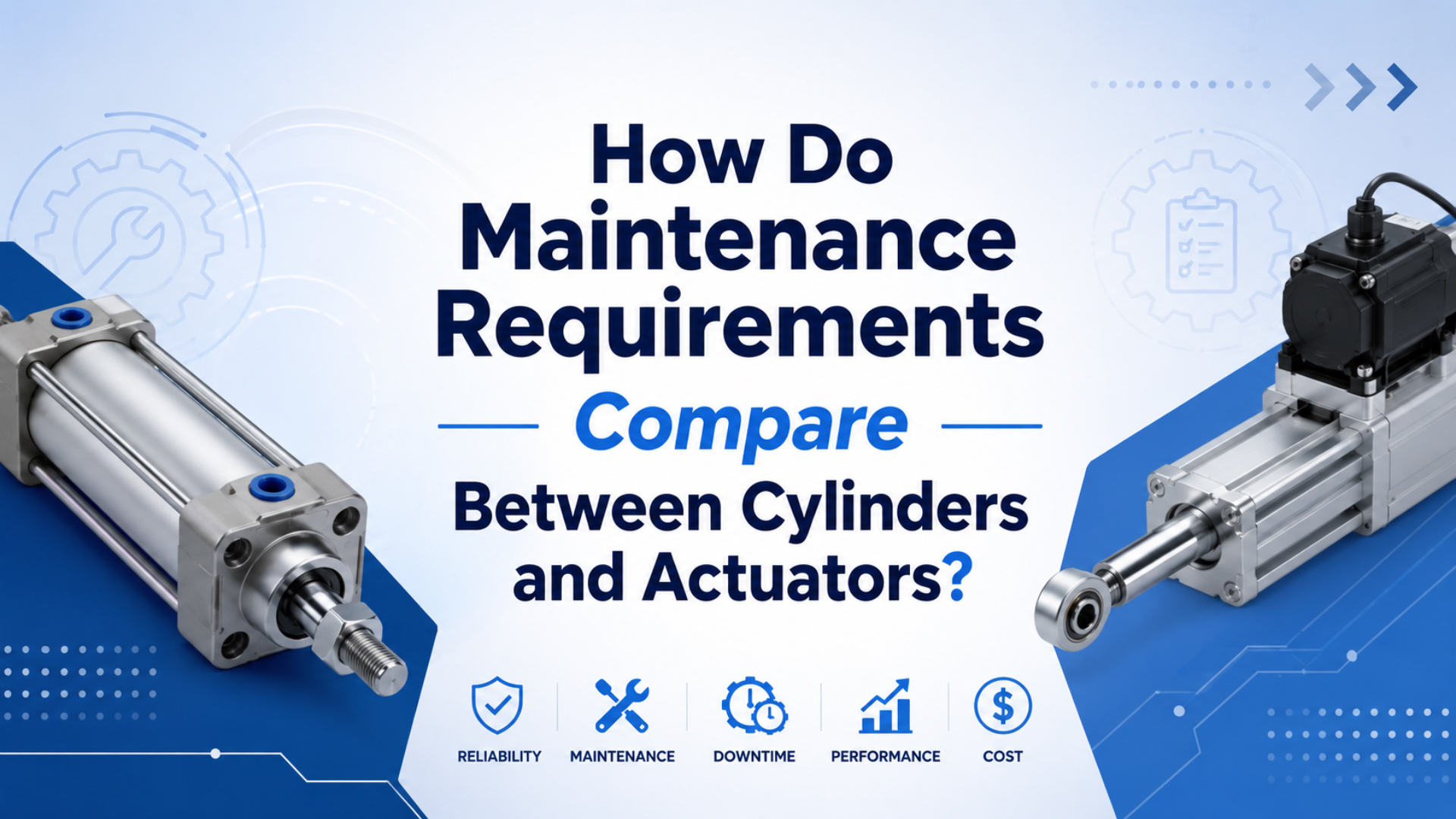 How Do Maintenance Requirements Compare Between Cylinders and Actuators?Compare cylinder and actuator maintenance using DOE's 20-30% leak-loss range, OSHA LOTO rules, ISO 8573 air quality, and TCO service checks for downtime risk.
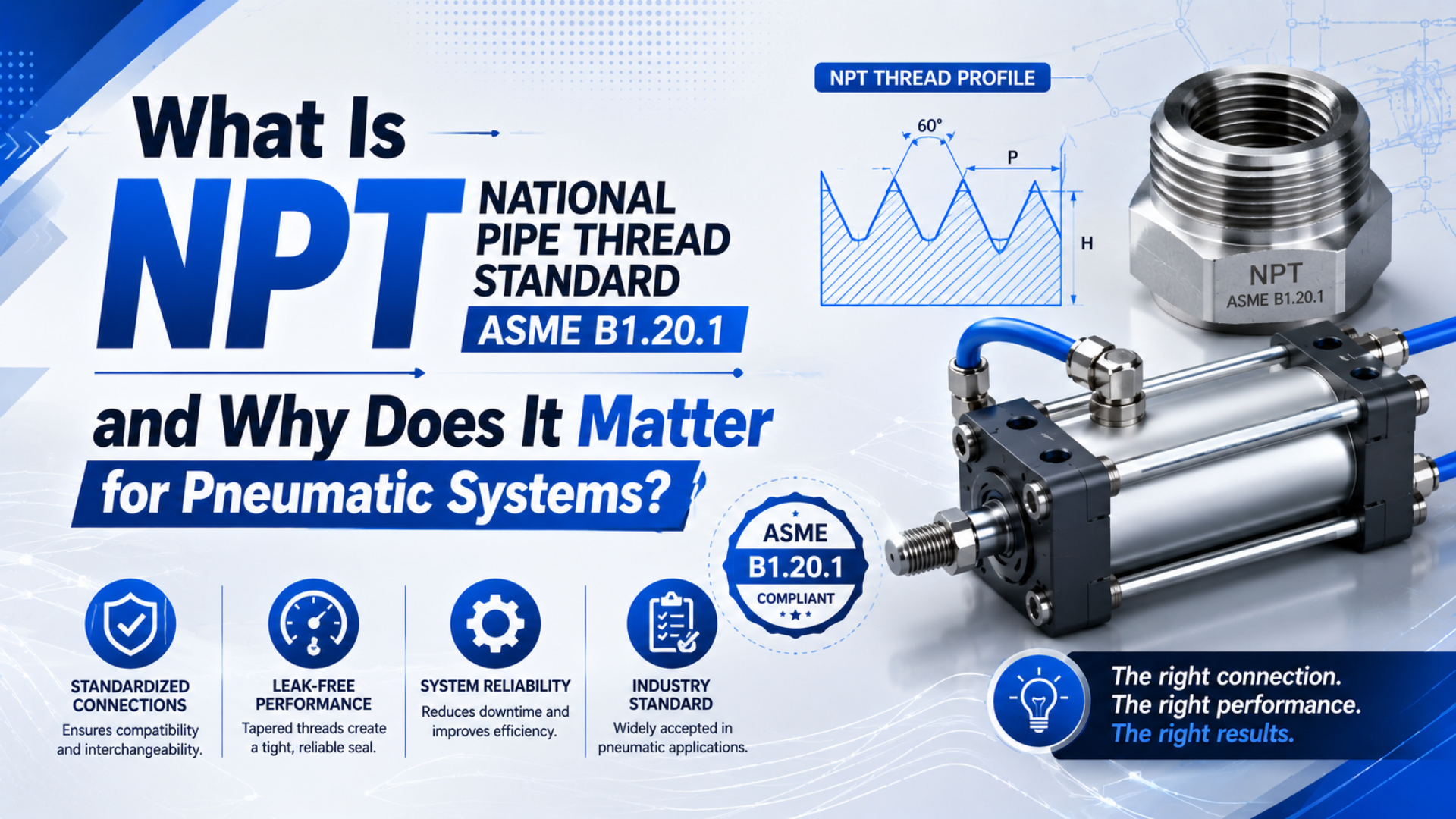 What Is NPT National Pipe Thread Standard ASME B1.20.1 and Why Does It Matter for Pneumatic Systems?ASME B1.20.1 defines NPT pipe threads with a 1:16 taper, 60 degree form, and size-specific TPI so pneumatic ports seal without guesswork, rework, or air leaks.
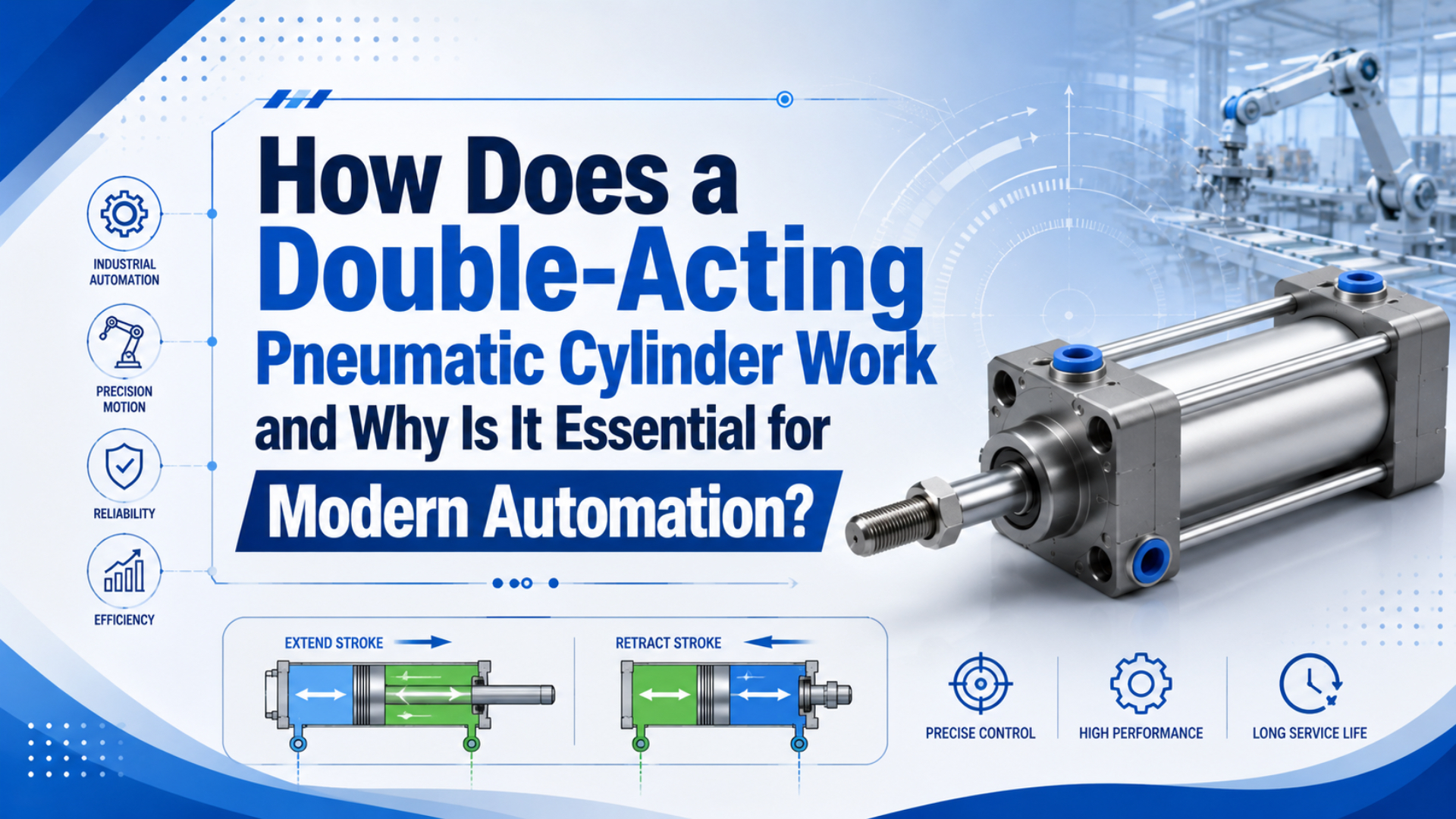 How Does a Double-Acting Pneumatic Cylinder Work and Why Is It Essential for Modern Automation?Learn how a double-acting pneumatic cylinder works with 5/2 valve flow, 100 psi force math, rod-side loss, speed control, and RFQ checks for safer selection.